
Why Children Often Cooperate Better When Daily Routines Stay Visible
Visible Routines Reduce the Need to Remember Every Step
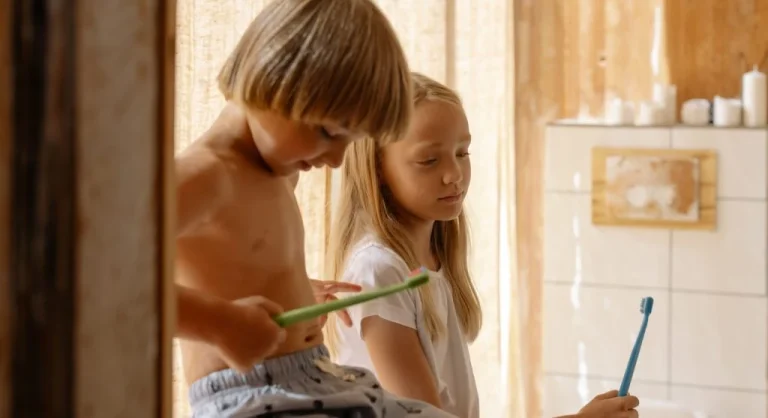
Many everyday family tasks involve several steps. A child might need to wake up, get dressed, eat, brush their teeth, pack their school items, and make it to the door in the right order. Adults tend to manage this sequence automatically, but children are still learning how to hold multiple steps in mind at once. As a result, even a familiar routine can feel unexpectedly difficult to carry out smoothly.
Development specialists often point out that visible routines help ease this challenge by giving children something concrete to follow. When the steps are clear through simple setup, order, or visual cues, children don’t have to rely only on memory. This can make the routine feel more manageable and reduce the emotional weight that sometimes comes with trying to keep everything straight.
Children Often Cooperate More When the Next Step Is Clear
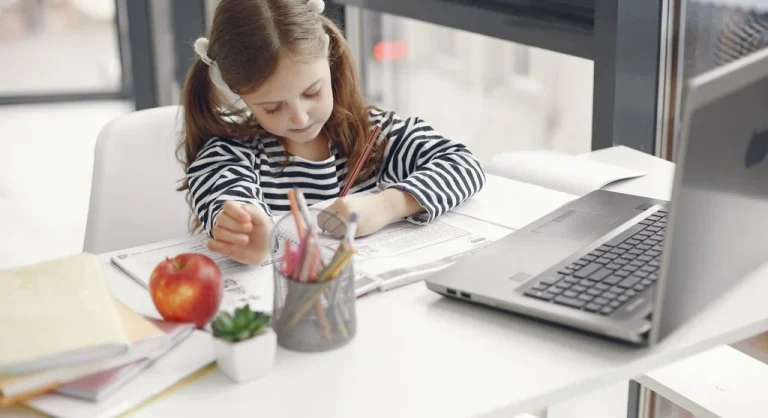
Credit: KATRIN BOLOVTSOVA / Pexels
Visible Routines Support Smoother Transitions
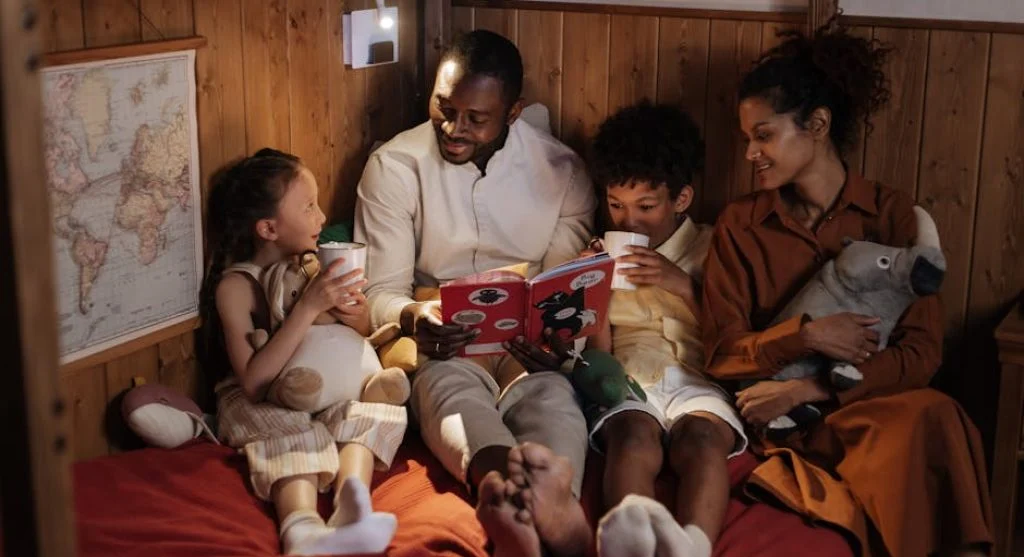
Children often have the hardest time with transitions. Shifting from play to dinner, from homework to bath time, or from free time to bedtime can create tension because they’re being asked to leave one state and move into another. When the overall routine is clear and familiar, these changes tend to feel less sudden. Over time, children start to see how one part of the day naturally leads into the next.
Child development experts generally explain that transitions are easier when they’re predictable. A visible routine doesn’t take away the disappointment of leaving something enjoyable, but it does reduce the element of surprise. With less uncertainty, children are often able to move from one activity to another with more ease and less resistance.
Children Often Respond Better to Structure Than Repeated Correction
Visible Routines Can Build Independence Over Time
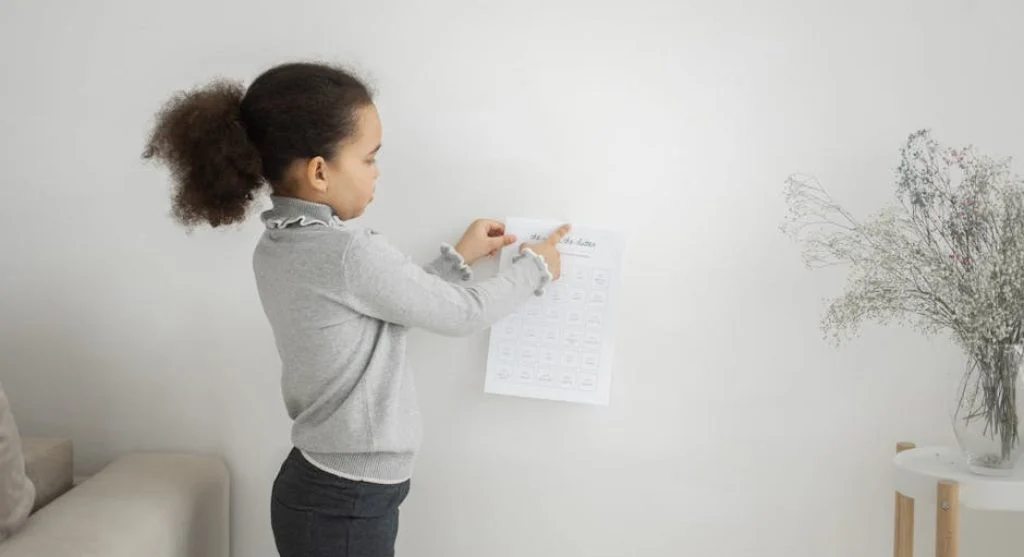
When routines are easy to recognize, children are often better able to take part without as much direction from adults. Independence tends to grow through repeated success, not through pressure alone. When a child can clearly see how a routine works, they may start to anticipate what comes next, get ready sooner, or complete parts of it with fewer reminders.
Development specialists often point out that children build confidence when expectations feel clear and understandable. Visible routines support that sense of confidence because the child isn’t starting from scratch each time. Over time, this can strengthen both cooperation and independence in everyday family life.
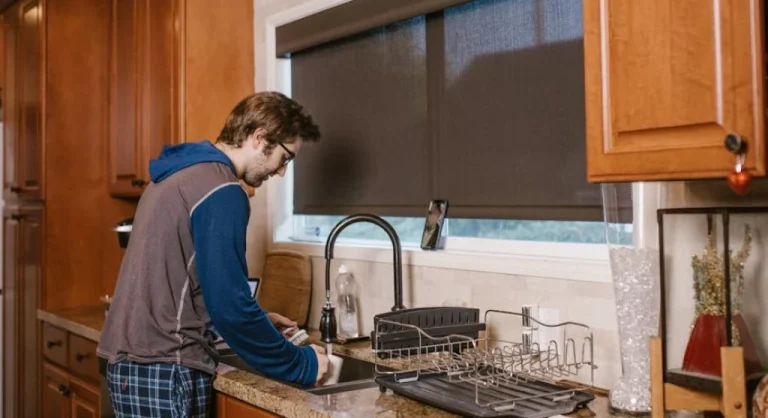
Credit: Gustavo Fring / Pexels
Simple Visibility Often Works Better Than Complex Systems
Families usually don’t need complex or highly detailed systems to improve routines. In many cases, children benefit most from simple, visible order items kept in consistent places, tasks happening in a familiar sequence, and expectations that are easy to recognize. When routines become too complicated, children can still feel overwhelmed, even when adults mean well.
Experts in family organization often suggest that the most effective routines are those simple enough to hold up in everyday life. A steady sequence and a few clear cues tend to work better than an elaborate plan that changes frequently or is hard for a child to follow. In many homes, clear and simple visibility leads to stronger cooperation than extra explanation on its own.
Daily Life Often Runs More Smoothly When the Routine Can Be Seen
Children often cooperate more easily when daily routines are visible. Clear structure helps reduce confusion, makes transitions smoother, and allows expectations to feel more predictable. Instead of relying only on repeated reminders from adults, children begin to follow a pattern they recognize. That shift can make daily life feel less reactive and more organized for everyone at home.
Over time, visible routines can lead to calmer mornings, smoother evenings, and fewer repeated struggles over everyday tasks. The routine becomes something the child can see, understand, and take part in—not just something the adult has to keep repeating. In many families, that’s where stronger cooperation begins.