Why Children Often Move Through Cleanup More Smoothly When Parents Announce the End Spot Before the First Toy
Cleaning up can become challenging before a child even picks up a single toy. A parent announces that it’s time to tidy the room, but the child stands still, wanders around, complains, or touches everything except the items that need to be put away. Parenting specialists generally note that children often move through cleanup more easily when parents point out where things belong before asking them to begin. When children can clearly picture the destination, the task feels much more manageable.
In many homes, the biggest challenge is not simply that cleaning up takes effort. It is that children cannot easily imagine what “finished” is supposed to look like. This matters because adults usually see cleanup as an obvious process. Toys go back where they belong, shelves become organized, and the floor becomes clear again. Children often experience the same task very differently. Instead of seeing one organized goal, they see dozens of unrelated objects that all seem to require separate decisions.
Development experts frequently suggest that cleanup becomes easier when adults explain the destination before asking for action. A simple statement such as, “The blocks are all going into this blue bin,” or “The books are going back onto this shelf,” gives children a clear picture of where their effort is leading. Over time, this approach can reduce hesitation, limit wandering, and make cleanup feel like a series of clear steps instead of one overwhelming chore.
Cleanup Feels Harder When the Finish Line Is Unclear
Adults usually have a clear image of what a clean room should look like. Children often do not. They may notice toys scattered across the floor but struggle to picture how all those separate items become an organized room. Without a clear image of the end result, cleanup can seem endless.
Child development specialists generally explain that children cooperate more readily when they can picture the goal they are working toward. In many families, cleanup improves once children understand not only what they should do but also where everything is supposed to end up.
Knowing the Destination Makes the Task Easier to Start
When parents explain where things belong before cleanup begins, the task immediately becomes more concrete. Instead of hearing a general instruction to “clean your room,” children hear specific destinations. Cars go into the basket. Books belong on the shelf. Art supplies return to the drawer. Stuffed animals go on the bed.
Family routine experts generally note that children respond better when instructions provide direction rather than broad expectations. In many homes, cleanup begins more quickly because children no longer have to guess where to start.
Breaking the Room Into Small End Goals Reduces Overwhelm
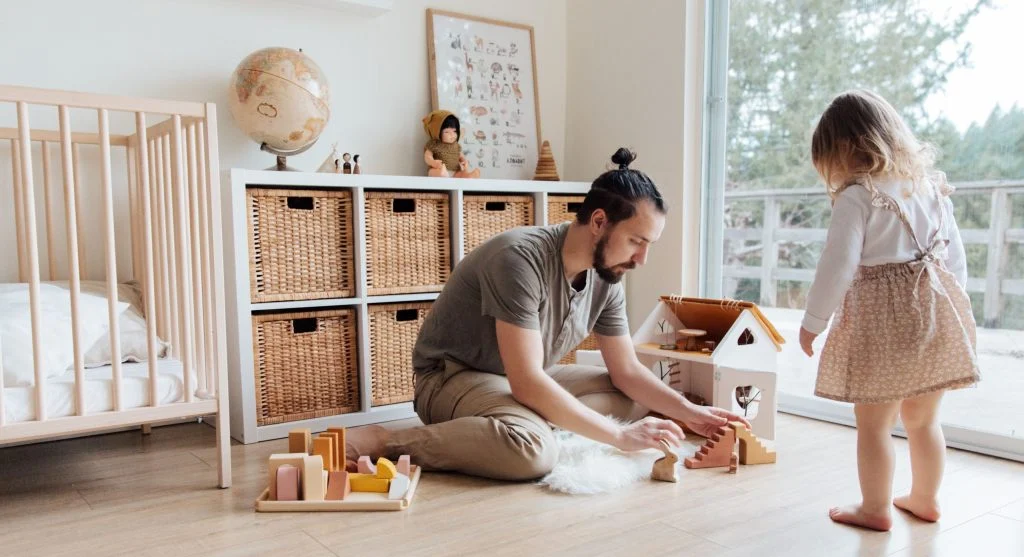
Messy rooms can easily overwhelm children because everything appears equally important. Toys, clothes, books, markers, and games all compete for attention at once. Naming the final destination for each group helps divide one large problem into several smaller, easier ones.
Development specialists generally explain that children manage tasks more successfully when they are organized into clear categories. In many homes, cleanup becomes far less stressful once children focus on one destination at a time instead of the entire room.
The First Toy Becomes Easier to Pick Up
Getting started is often the hardest part of cleaning. Before children pick up the first toy, they may hesitate because every object raises the same question: “Where does this go?” Once parents answer that question before cleanup begins, children can move directly from picking something up to putting it away.
Parenting specialists generally explain that removing unnecessary decisions makes routines easier to begin. In many families, naming the destination first reduces hesitation because children no longer have to stop and think about every individual object.
Clear Destinations Reduce Constant Corrections
Parents often become frustrated because cleanup involves so many interruptions. One toy belongs upstairs. Another goes into a different bin. Books belong on the shelf instead of the floor. These repeated corrections can make the process feel confusing for everyone.
Family communication specialists generally note that children remain calmer when instructions are explained clearly before the task begins rather than corrected throughout the process. In many homes, cleanup becomes smoother because children already know the destination before they start.
Cleanup Starts Feeling Like Matching Instead of Cleaning
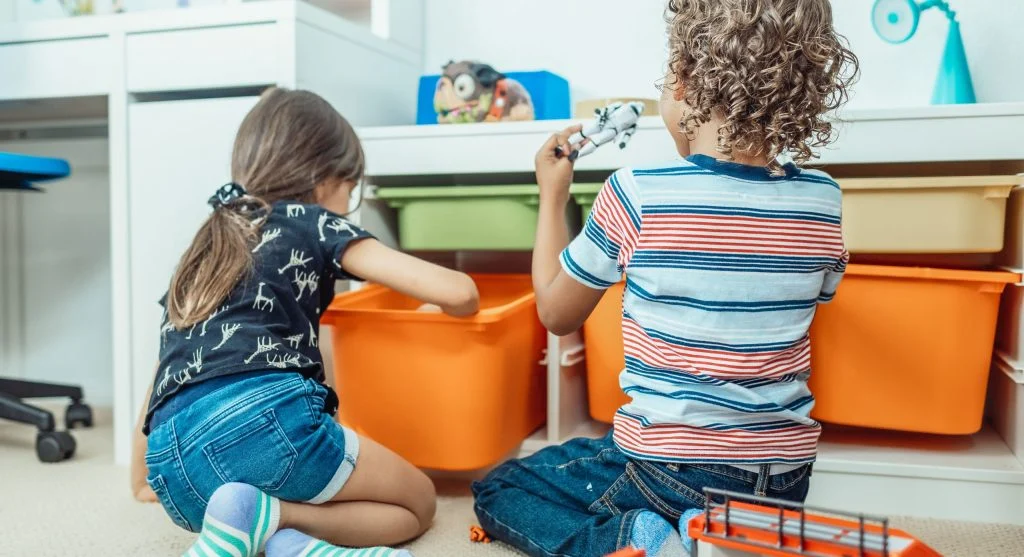
Once destinations have been identified, cleanup becomes much simpler. Children begin matching items to their homes instead of trying to organize an entire room all at once. Books match the bookshelf. Cars match the toy bin. Dolls match the basket. Shoes match the mat.
Child development experts generally explain that children engage more easily when household tasks can be simplified into recognizable patterns. In many homes, cleanup feels less overwhelming because children begin seeing it as a series of easy matches.
Even Familiar Rooms Benefit From Clear Reminders
Parents sometimes assume children no longer need reminders because they already know where everything belongs. However, remembering where toys go is not always the real challenge. Often, children simply need help shifting into the task itself. Hearing the destinations again provides the mental push needed to begin.
Development experts generally explain that repeated clarity remains helpful even during familiar routines. In many homes, children respond better because the reminder activates the routine rather than teaching something new.
Parents Often Feel More Relaxed Too
This strategy benefits adults as well. Without clear structure, parents often spend cleanup giving correction after correction. Beginning with destinations instead allows parents to sound more organized and encouraging instead of constantly redirecting.
Family routine specialists generally note that children respond positively when adults sound calm and confident during everyday routines. In many homes, better structure at the beginning leads to fewer frustrations later.
Consistent Storage Makes Cleanup Easier Over Time
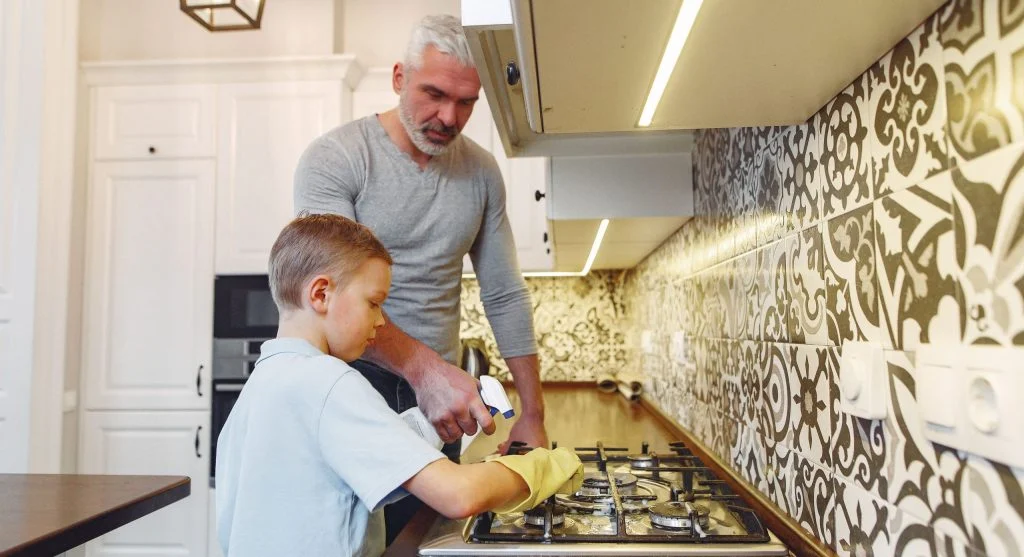
Children usually benefit most when items always return to the same places. A basket that always holds cars, a shelf that always stores books, and a drawer that always contains art supplies gradually become familiar landmarks. As those locations remain consistent, cleanup requires less thinking and becomes increasingly automatic.
Parenting specialists generally explain that consistency helps children build stronger routine memory. In many homes, cleanup becomes faster because children learn to expect the same destinations every day.
Children Stay Motivated When They Can See Progress
One of the biggest advantages of pointing out destinations before cleanup begins is that children can easily see the results of their work. Watching a basket fill with toys or seeing the floor gradually become clear provides visible evidence that the task is moving toward completion.
Development specialists generally explain that children remain engaged longer when progress is easy to recognize. In many homes, cleanup feels less frustrating because children can clearly see that their effort is making a difference.
Why Children Often Clean Up More Easily
Children often clean up more easily when parents point out where things belong before asking them to pick up the first toy because clear destinations reduce confusion, simplify decisions, and make the task feel more organized. Instead of facing one large messy room, children begin working toward several easy-to-understand goals. That simple shift often makes cleanup feel far less overwhelming.
In many families, smoother cleanup routines do not come from giving more reminders. They come from giving better direction before the work begins. Over time, consistently identifying where things belong can reduce resistance, improve focus, and make everyday tidying feel much calmer for both children and parents.
FAQ
What does it mean to announce the end spot before cleanup?
It means telling the child where a category of items is going before the child starts picking things up, such as “All the books go back on this shelf.”
Why does this help children clean up?
Because it gives the task a clear destination and reduces the mental work of deciding where each item belongs while the child is already trying to begin.
Does this only help younger children?
No. Older children can benefit too, especially if cleanup feels overwhelming or if they lose momentum quickly during room tidying.
Should parents still help after naming the end spot?
Sometimes yes. Naming the end spot helps structure the task, but some children may still need support with pace, attention, or the order of cleanup.
Internal Linking Suggestions
Link this article to posts about toy organization, easier cleanup routines, reducing overwhelm during chores, helping children follow daily routines, and practical home organization tips for families.
Key Takeaway
Children often move through cleanup more easily when parents identify where things belong before asking them to begin because clear destinations make the task easier to understand and easier to start. Instead of facing one overwhelming mess, children can focus on simple, visible goals one category at a time. Families often experience less resistance and smoother routines when cleanup begins with structure instead of repeated correction. Over time, this small adjustment can make daily tidying much calmer and more manageable.