Why Children Often Seem Extra Silly Right Before They Are Ready to Sleep
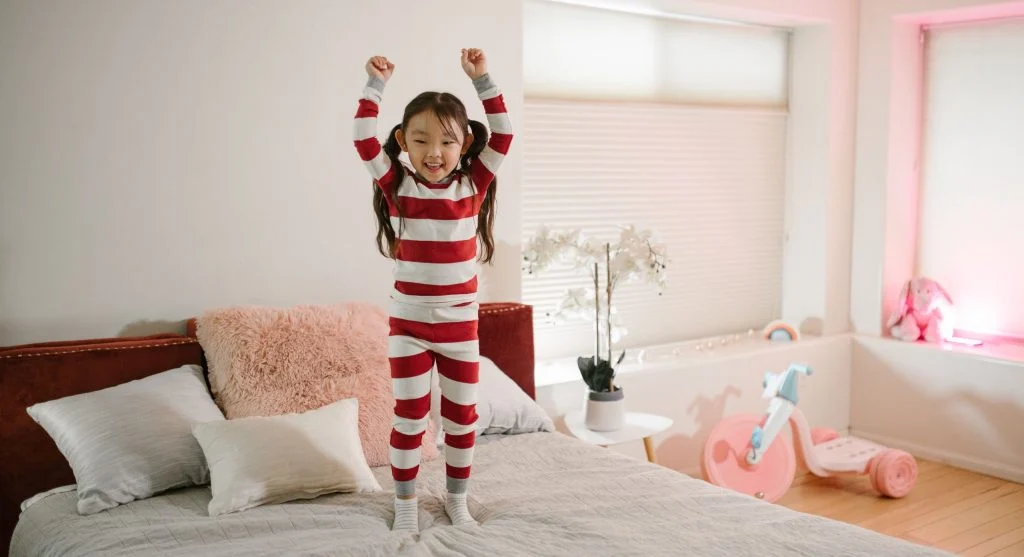
Many parents expect a tired child to become quiet, yawn frequently, and slowly drift toward sleep. Instead, bedtime often brings the opposite. Children may become louder, more energetic, unusually giggly, or difficult to settle. They might jump on the bed, run around the room, laugh uncontrollably, make silly noises, or suddenly seem as though they’ve found a second wind just as the day is supposed to be ending.
Child development specialists generally note that children often appear extra silly before sleep because tiredness does not always look like calm drowsiness during childhood. In many homes, this burst of playful behavior is not a sign that a child is no longer tired. Instead, it is often a sign that they are extremely tired and beginning to lose their ability to regulate themselves.
This distinction matters because it is easy for adults to misinterpret what they are seeing. When a child suddenly seems full of energy, parents may assume bedtime came too early or that more playtime is needed before sleep. Development experts, however, often explain that a surge of silliness late in the evening can be a sign of overtiredness, emotional overload, or a nervous system struggling to cope with fatigue. Recognizing this pattern can help families respond with calmer bedtime routines and more realistic expectations about how tired children actually behave.
Tired Children Do Not Always Become Quiet
Adults usually associate being tired with slowing down, but children often react differently. Instead of becoming calmer, they may become noisier, more restless, and increasingly unpredictable. It can be confusing to watch a child who insists they are not tired suddenly become the loudest person in the room. That behavior does not necessarily mean they have extra energy to burn. More often, it reflects a growing difficulty managing the energy they have left.
Child development experts generally explain that fatigue often affects self-control before it reduces physical activity. In many families, this explains why bedtime silliness appears shortly before sleep. Children may be tired enough for their self-regulation to weaken even though they have not yet become visibly sleepy in the way adults expect.
Silliness Often Appears as Self-Regulation Begins to Fade
Throughout the day, children work hard to manage their emotions, follow instructions, cope with frustrations, and meet expectations at home or school. By evening, those self-regulation skills are often running low. Rather than becoming tearful immediately, some children respond by becoming unusually silly. They may laugh excessively, make nonsense sounds, exaggerate their movements, or behave in impulsive ways.
Family behavior specialists generally note that bedtime silliness is often one form of dysregulation. In many homes, children are not intentionally turning bedtime into a game. Their behavior is simply reflecting that the mental resources needed for calm self-control are becoming depleted.
Overtiredness Can Look Like Extra Energy
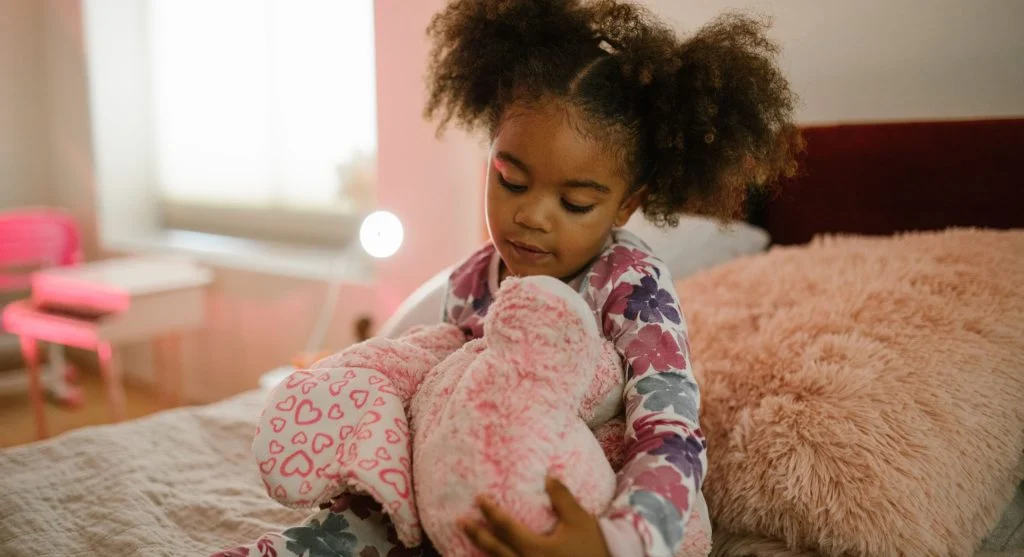
One of the most surprising aspects of childhood sleep is that being overtired can temporarily resemble having more energy. Children who have stayed awake beyond their easiest sleep window often become louder, faster, and more impulsive for a short period. Parents sometimes interpret this as evidence that bedtime should be later, when it may actually indicate the opposite.
Sleep specialists generally explain that overtired children often appear “wired” before they appear sleepy. In many families, bedtime becomes more challenging because children have moved beyond manageable tiredness into a more restless and dysregulated stage.
Silliness Can Be a Way of Holding Onto the Day
Bedtime marks more than the beginning of sleep it also signals the end of the day’s activities. For many children, that transition carries emotional significance. They may not want playtime, family interaction, or attention to end. Becoming silly can unintentionally stretch out the evening a little longer. While children are rarely planning this consciously, playful chaos often delays the final transition into quiet.
Development guidance often suggests that bursts of energy before bed sometimes reflect both fatigue and reluctance to let the day end. In many families, bedtime silliness is shaped by both physical tiredness and the emotional challenge of saying goodbye to the day’s activities.
Children Often Save Their Silliest Moments for Home
Many parents notice that children can behave well throughout the day and then become especially wild or goofy once they are home and preparing for bed. This often reflects emotional release rather than deliberate misbehavior. Home and especially the bedtime routine with a trusted caregiver can feel like the safest place for built-up tension and fatigue to finally come out.
Child development specialists generally explain that children often release their least regulated behavior where they feel safest. In many families, bedtime silliness is not directed at parents personally. Instead, it reflects the child’s growing comfort in expressing emotions after holding themselves together elsewhere.
Bedtime Silliness Often Appears Alongside Other Signs of Fatigue
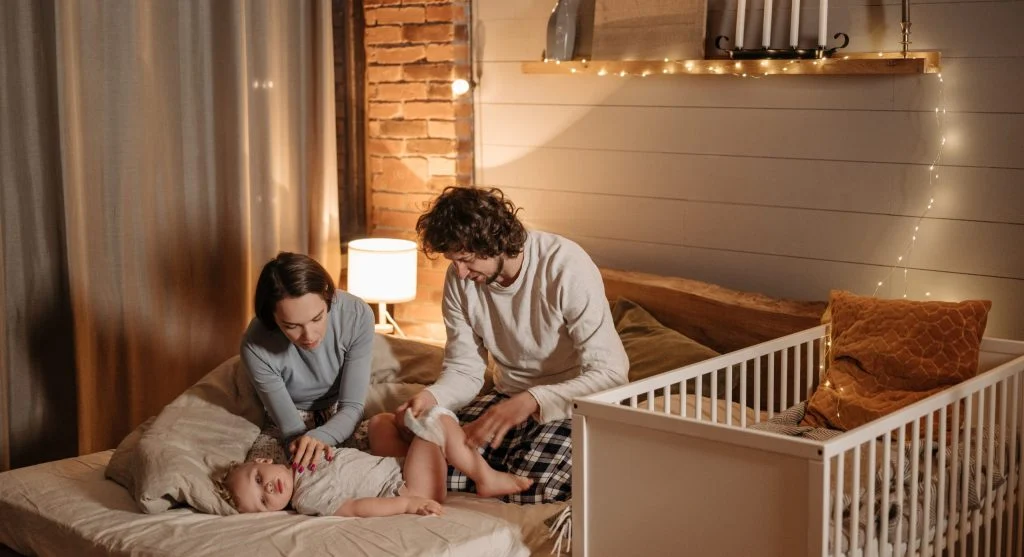
Looking at bedtime behavior as a whole often makes silliness easier to understand. Children who become unusually playful may also become clumsier than usual, more easily frustrated, quicker to cry, less cooperative, or more sensitive to sounds and touch. These additional behaviors often reveal that the silliness is part of a broader pattern of fatigue rather than random excitement.
Family routine experts generally note that bedtime becomes easier to understand when parents view these behaviors together instead of focusing on just one. In many homes, noticing shorter attention spans, shifting moods, or increased sensitivity alongside the giggles provides a clearer picture of overtiredness.
Some Responses Can Accidentally Make the Silliness Worse
If parents interpret bedtime silliness as intentional misbehavior, they may respond with frustration or harsher discipline. That reaction can increase stimulation for a child who is already struggling to settle. On the other hand, turning the moment into extra playtime may also make it harder for the child to wind down. The most effective response is often calm, consistent, and predictable without adding either conflict or excitement.
Parenting specialists generally note that overtired silliness usually benefits from gentle structure rather than arguments. In many families, bedtime goes more smoothly when adults keep conversations brief, remain calm, and continue moving steadily through the routine.
Simplifying the Bedtime Routine Can Help
If silliness consistently appears late in the evening, it may be helpful to examine how stimulating the bedtime routine has become. Too many decisions, lengthy conversations, rough play, bright lighting, or screens close to bedtime can make it harder for an overtired child to settle. A shorter, quieter routine often gives children fewer opportunities to become overstimulated.
Sleep and child development specialists generally explain that overtired children usually cope better when bedtime includes fewer choices and less stimulation. In many families, evenings become calmer when the routine shifts into predictable, low-energy activities earlier.
Many Children Outgrow This Pattern
As children mature, they generally become better at recognizing when they are tired, managing transitions, and settling themselves at bedtime. While bedtime silliness does not always disappear completely, many children become less dramatically dysregulated as their emotional regulation and self-awareness improve.
Development specialists generally note that bedtime behavior often changes gradually as children grow and family routines become more consistent. In many homes, bedtime feels easier over time because children develop stronger internal regulation, not because every evening becomes perfect.
Why Children Often Seem Extra Silly Before Sleep
Children often seem especially silly before falling asleep because tiredness during childhood frequently appears as loudness, impulsive behavior, exaggerated humor, and emotional dysregulation rather than quiet drowsiness. What looks like a burst of fresh energy is often a nervous system struggling to stay organized after passing its easiest window for settling down.
In many families, bedtime becomes much smoother once parents recognize late-evening silliness as a sign of fatigue instead of evidence that the child is not tired. Over time, understanding this pattern can lead to calmer routines, more realistic expectations, and gentler support through one of the most challenging transitions of the day.
FAQ
Does bedtime silliness mean my child is not tired?
Not usually. Many children become sillier when they are very tired and starting to lose regulation.
Is this behavior a sign of overtiredness?
It often can be. Extra silliness late in the evening commonly appears alongside other tired signs such as irritability, clumsiness, or trouble following simple directions.
Should parents play along with bedtime silliness?
A little warmth can help, but many overtired children do better when adults stay calm and keep the routine steady instead of increasing stimulation.
Can bedtime silliness improve with a different routine?
Yes. Simpler, quieter, and earlier wind-down routines often help children settle before they move into a more dysregulated tired phase.
Internal Linking Suggestions
Link this article to posts about bedtime routines, signs of overtiredness in children, helping children regulate emotions, daily routines that support sleep, and how to reduce bedtime resistance at home.
Key Takeaway
Children often seem extra silly before bedtime because fatigue does not always look like quiet sleepiness. Instead, being overtired can lead to louder behavior, increased impulsiveness, and exaggerated playfulness as self-regulation begins to weaken. What appears to be a burst of energy is often a sign that sleep is needed, not delayed. Families generally find bedtime easier when they recognize silliness as part of tiredness and respond with calm, consistent routines that help children transition smoothly into sleep.