
Why Children Often Recover From Small Social Mistakes Faster When Adults Focus on the Next Try
Children make social mistakes every day. They interrupt, speak too loudly, grab a turn, say something awkward, forget to greet someone, or react too quickly in a group. Most of these moments are normal parts of growing up, but they can feel very big to the child who made the mistake. Child development specialists generally note that children often recover from social mistakes faster when adults focus on the next try because forward-looking guidance feels more useful than staying focused on the error itself. In many homes, children do not remain upset only because they made a mistake. They stay upset because the moment keeps feeling active long after it has passed.
This matters because social learning is delicate. Children are building confidence at the same time they are building skill. If every small mistake becomes emotionally heavy, children may start avoiding risk, talking less, or becoming overly guarded in social settings. Development guidance often suggests that children grow more steadily when adults help them see mistakes as moments to adjust, not proof that something is wrong with them. Over time, focusing on the next try can help children build resilience, stronger social judgment, and more willingness to keep participating after an awkward moment.
Small Social Mistakes Can Feel Much Bigger to Children Than to Adults
Adults often move past minor social missteps quickly. A child, however, may replay the moment for much longer. Being ignored after speaking, saying the wrong thing to a cousin, or getting corrected in front of peers can feel deeply uncomfortable. What looks small from the outside may feel like a major social failure from the inside.
Child development specialists generally explain that children are still learning how to judge the real size of social mistakes. In many families, a child may carry embarrassment far beyond the actual event. That is why the adult response matters so much. It can either shrink the moment back to its true size or accidentally make it feel even larger.
Children Often Need Help Leaving the Mistake Behind
Many children do not automatically know how to move from “I did that wrong” to “I can try differently next time.” Without support, they may stay stuck in self-consciousness, repeat apologies, deny what happened, or shut down completely. This is especially true for children who are sensitive, socially cautious, or eager to do well.
Family communication experts generally note that recovery is its own skill. In many homes, adults focus so much on explaining the mistake that they forget to teach the exit from it. Children often need someone to help them step out of the old moment and into the next usable one.
Focusing Only on the Error Can Keep Shame Active
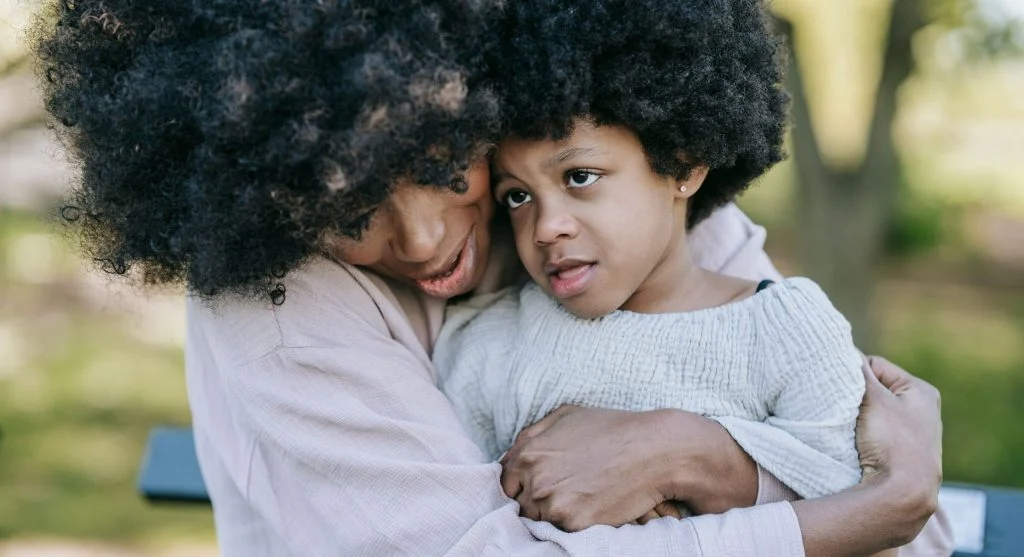
Adults sometimes believe that repeating the lesson will make it stick. In social situations, too much attention on the mistake can have the opposite effect. The child may stop hearing the guidance and start feeling ashamed instead. Shame often makes children more rigid, quieter, or more defensive, which means the social skill becomes harder to practice the next time.
Development specialists generally note that children learn best when correction is clear but not emotionally overwhelming. In many homes, recovery improves when adults acknowledge the mistake briefly and then move the child toward what can be done next. That shift helps learning continue without trapping the child in embarrassment.
The Next Try Gives Children Something Useful to Hold
When adults focus on the next attempt, they give children a new target. Instead of holding only the memory of what went wrong, the child gets a small, clear idea of what to do differently. “Next time, wait until she finishes.” “Next time, try asking first.” “Next time, say it in a quieter voice.” These kinds of directions are easier to use than a long review of the mistake.
Parenting specialists generally explain that children calm faster when they can picture what improvement looks like. In many families, the next-try approach helps because the child stops staring backward and starts moving forward mentally. The mistake becomes part of learning rather than the whole story.
Children Usually Build Social Confidence Through Re-entry, Not Perfection
Many adults understandably want children to behave correctly the first time. Real social growth, however, often happens through re-entry. A child says the wrong thing, feels awkward, receives guidance, and then participates again. That return matters. It teaches the child that social mistakes do not require withdrawal from the whole experience.
Child development specialists generally note that confidence grows when children see themselves recover, not when they avoid every mistake. In many homes, a child becomes more socially resilient because the family treats awkward moments as survivable and correctable rather than deeply damaging.
This Approach Helps Children Who Are Easily Embarrassed
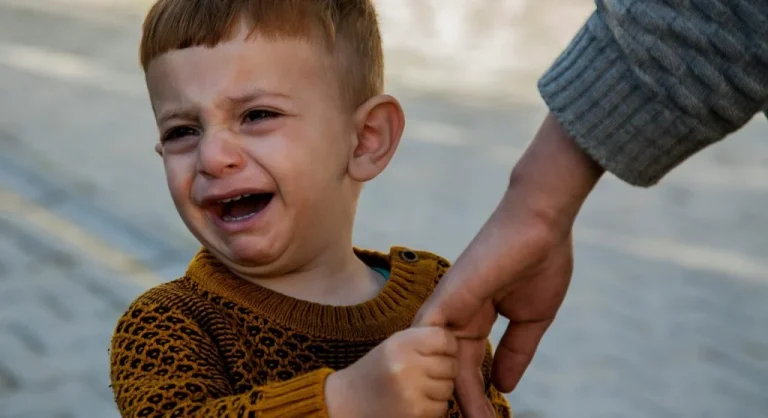
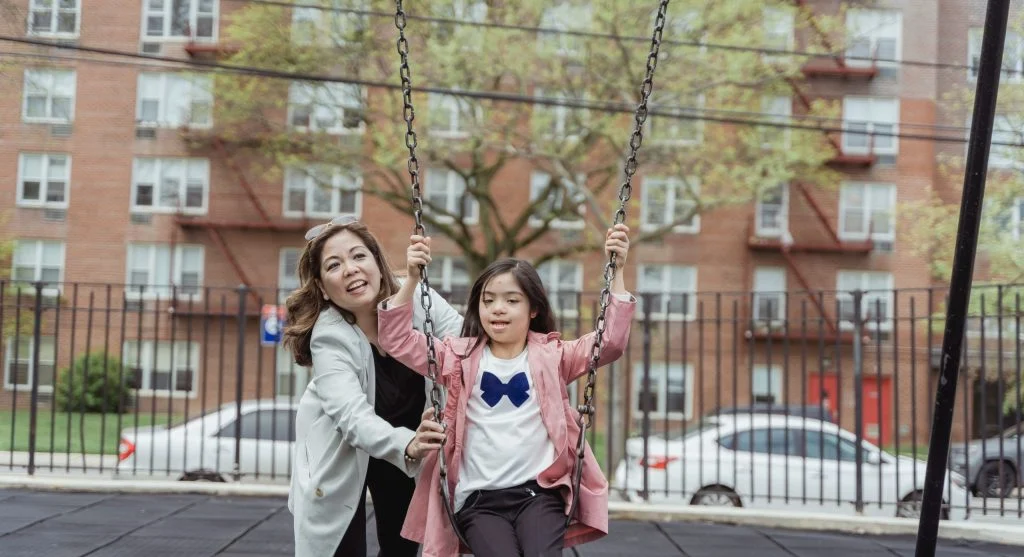
Some children feel social mistakes very deeply. They may blush, cry, go silent, or refuse to return to a group after one awkward moment. For these children, a long discussion of the error can feel especially heavy. A brief correction followed by a focus on the next try often works better because it protects dignity while still offering guidance.
Family relationship specialists generally note that children who are easily embarrassed often need gentle forward movement more than detailed review. In many homes, these children recover better when adults protect their emotional footing while still teaching the needed skill.
Forward Focus Can Still Include Accountability
Focusing on the next try does not mean ignoring what happened. Children still benefit from clear limits, repairs, and understanding the impact of their choices. The difference is that accountability becomes a bridge to better behavior instead of a place where the child gets emotionally stuck.
Development guidance often suggests that children learn social responsibility best when correction and repair are followed by a practical next step. In many families, this keeps the child from confusing accountability with humiliation. The lesson remains clear, but the path forward remains open.
Parents Often Stay Calmer When They Aim for the Next Attempt Too
This mindset helps adults as well. Parents can become frustrated when children repeat the same social missteps. Focusing on the next try shifts the goal from “Why did this happen again?” to “What will help the next attempt go better?” That question often creates a more constructive tone.
Parenting experts generally note that children respond better when adults sound like coaches rather than prosecutors. In many homes, conversations improve when parents stop trying to squeeze all the learning out of one mistake and instead support the child through repeated, low-pressure practice over time.
Social Learning Usually Happens Across Many Small Attempts
Children rarely master social skills in one perfect lesson. They usually improve through many small awkward moments, recoveries, retries, and better choices. That is especially true for turn-taking, conversation timing, voice control, personal space, apologies, and entering groups. A child who is taught to recover after mistakes is often in a stronger position than a child who is only taught to fear them.
Child development specialists generally explain that social competence grows through repeated supported experience. In many families, focusing on the next try gives children permission to keep learning in public instead of retreating from social risk altogether.
Why Children Often Recover From Social Mistakes Faster
Children often recover from social mistakes faster when adults focus on the next try because forward-looking guidance gives them something practical, manageable, and hopeful to do. Instead of staying trapped in embarrassment, the child begins imagining the next useful step. That shift often reduces shame and increases willingness to stay socially engaged.
In many families, stronger social growth does not come from making children dwell on every awkward moment. It comes from teaching them how to repair, regroup, and try again. Over time, this approach can build more social resilience, more real confidence, and a healthier relationship with everyday mistakes.
FAQ
What counts as a small social mistake for children?
Interrupting, grabbing a turn, speaking too loudly, forgetting to greet someone, saying something awkward, or reacting too quickly are common examples.
Does focusing on the next try ignore the mistake?
No. The mistake can still be addressed clearly. The difference is that the child is then helped to move toward repair and improvement instead of staying stuck in shame.
Is this approach helpful for shy or sensitive children?
Yes. It often works especially well for children who become easily embarrassed or withdrawn after social missteps.
Can parents still ask children to apologize or repair the situation?
Yes. Accountability still matters. The goal is to connect correction and repair to a practical next step rather than leaving the child emotionally stuck in the error.
Internal Linking Suggestions
Link this article to posts about helping shy children, building emotional resilience, teaching apologies, supporting social development at home, and reducing shame in parenting conversations.
Key Takeaway
Children often recover from social mistakes faster when adults focus on the next try because forward-looking guidance reduces shame and gives children a practical way to keep learning. Social growth usually happens through recovery and re-entry, not through perfect behavior every time. Families often support stronger confidence when they teach children how to adjust after mistakes instead of dwelling on the error alone. Over time, this helps children become more resilient, more socially capable, and less afraid of getting things wrong.