
Why Children Often Accept Screen-Free Mornings Better When the First Activity Feels Familiar
Many families want calmer mornings, but screen-free starts can be harder than expected. A child may wake up asking for a show, reach for a tablet automatically, or become upset when a phone is not available right away. Family media specialists generally note that children often accept screen-free mornings better when the first activity feels familiar because a known routine gives the brain something steady to move toward instead of focusing only on what is missing. In many homes, the challenge is not just removing the screen. It is avoiding the empty emotional space that appears when nothing familiar replaces it.
This matters because mornings are full of transitions. Children are waking up, leaving sleep behind, preparing for school or daily routines, and trying to organize their attention before the day has fully started. Development guidance often suggests that when the first part of the morning is predictable and familiar, children settle into it with less resistance. Over time, one reliable screen-free starting activity can help children stop seeing screens as the only comfortable way to begin the day.
Why Screen Requests Often Show Up Early in the Morning
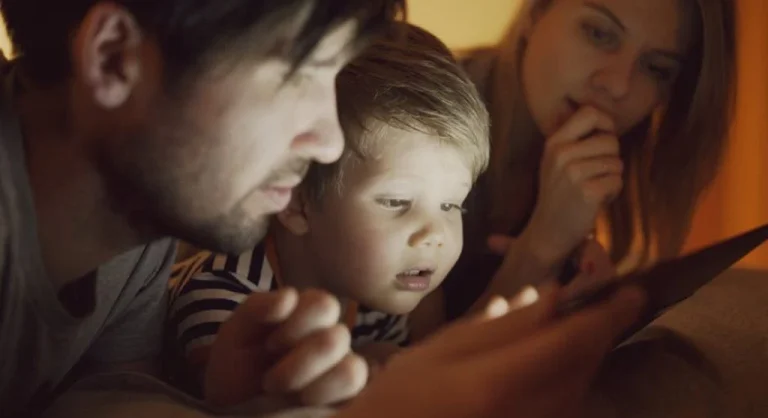
Morning screen requests are usually not only about entertainment. Screens can feel easy, familiar, and emotionally smooth at a time when children are still sleepy and not ready for much effort. A device offers instant stimulation without asking much from the child. Getting dressed, brushing teeth, eating breakfast, or leaving a warm bed all require transition energy.
Child development specialists generally note that children often reach for the easiest form of regulation available. In many homes, screens become especially appealing in the morning because they seem to remove the strain of waking up. That is why simply saying no can lead to more conflict if nothing else in the routine feels equally recognizable or comforting.
A Familiar First Activity Can Replace the Need for Immediate Screen Comfort
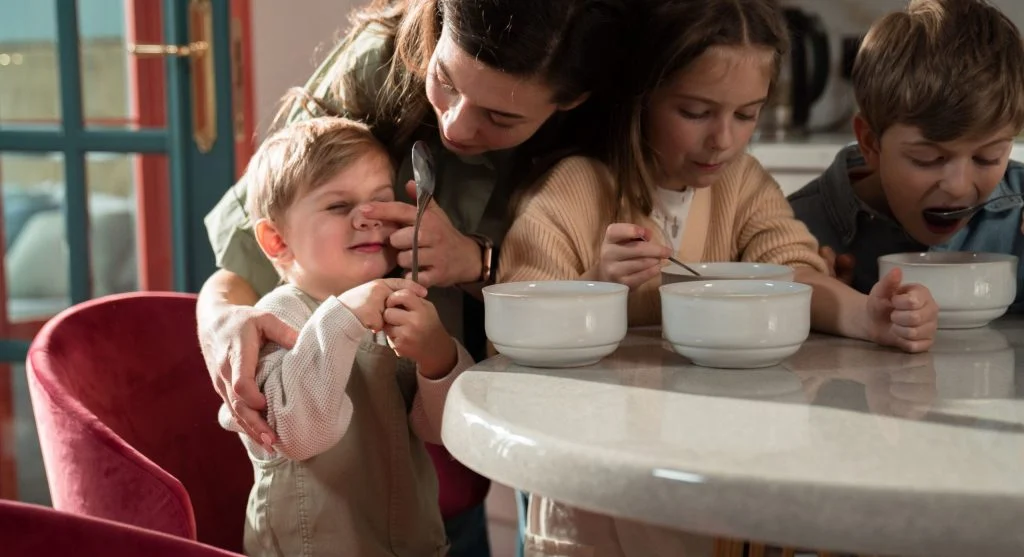
Children usually handle limits better when the limit comes with a clear alternative. In the morning, this often works best when the alternative is not random. A familiar breakfast setup, one favorite music playlist, a short cuddle-and-chat moment, drawing at the table, or one repeated responsibility such as opening the curtains can help the child move into the day without feeling abruptly cut off from comfort.
Family routine experts generally explain that children often cooperate more when they know what comes first every day. In many families, the first activity matters because it becomes the emotional bridge between sleep and the rest of the morning. Once that bridge feels dependable, screens often lose some of their power as the automatic first choice.
Children Often Resist Less When the Morning Starts the Same Way
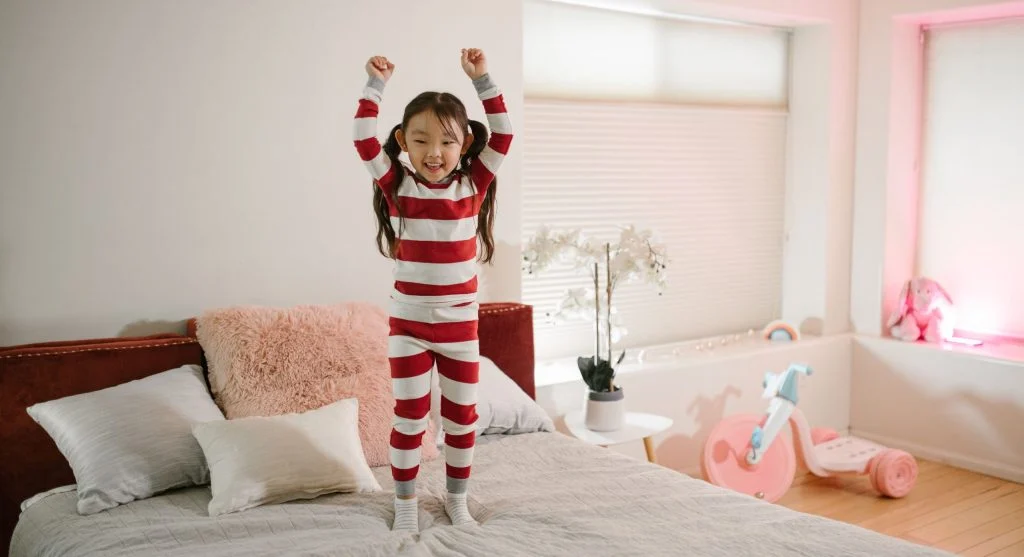
Predictability changes how children experience boundaries. If some mornings begin with screens and others do not, children often keep testing because the pattern feels negotiable. When the first part of the day consistently begins in the same screen-free way, the routine becomes easier to understand. The child no longer wakes up wondering which version of the morning will happen.
Family media specialists generally note that consistency lowers negotiation. In many homes, children stop arguing as intensely once the screen-free start feels like the normal shape of the day rather than a sudden exception based on adult mood or time pressure.
The First Activity Works Best When It Feels Easy to Enter
Not every screen-free activity helps in the same way. Some activities ask too much too early. If the first screen-free step feels demanding, children may still cling to devices because the alternative does not feel comforting enough. The most effective first activities are usually simple, low-pressure, and familiar enough for children to step into without much emotional effort.
Development specialists generally note that the goal is not to impress the child with a perfect morning activity. The goal is to create a beginning that feels understandable and repeatable. In many families, even a very small pattern works well when it is calm and familiar.
Screen-Free Mornings Often Improve When the Body Knows What Comes Next
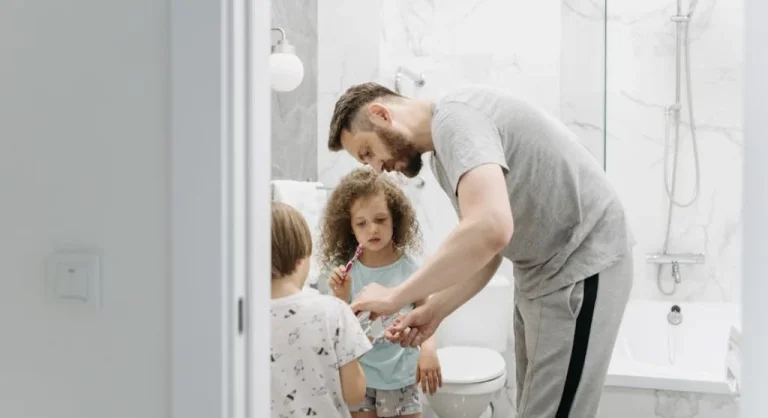
Children experience routines through the body as much as through the mind. A familiar first activity often works because it gives the body a predictable sequence to follow. Wake up, open the curtains, wash hands, sit in the same chair, eat from the same plate, hear the same song. These repeated steps reduce uncertainty and help the child move forward before overthinking begins.
Child development specialists generally explain that children regulate more easily when routines are physically recognizable. In many homes, the body learns the morning pattern before the child could fully explain it in words. That embodied familiarity can make screen-free mornings feel less like deprivation and more like normal life.
Why Abrupt Screen Removal Often Creates Bigger Reactions
Adults sometimes try to fix difficult mornings by simply removing access to devices with no other change. That can work in some homes, but it often increases emotional friction because the child still has the same need for comfort, familiarity, or easy stimulation. The only difference is that the preferred tool is gone. Without another reliable starting point, the morning may feel harsher rather than calmer.
Family communication experts generally note that children handle change better when adults replace a habit, not only block it. In many homes, the familiar first activity matters more than the rule itself because it gives the child somewhere emotionally safe to land.
Parents Often Stay Calmer When the First Step Is Already Decided
Children are not the only ones affected by uncertain mornings. Adults often feel more stressed when every morning starts as a fresh debate about screens. A familiar first activity can lower parent stress too because the opening of the day no longer depends on last-minute negotiation. The adult already knows what comes first.
Parenting specialists generally note that a calmer adult tone strongly influences child cooperation. In many homes, when parents stop improvising the start of the morning, they become steadier and less reactive. That emotional steadiness often helps children accept the routine with less pushback.
Screen-Free Mornings Can Support Better Focus Later in the Day
Families often notice that how the morning begins shapes more than the first few minutes. A child who starts with a predictable, lower-stimulation routine may move into breakfast, getting dressed, and leaving the house with better emotional organization. No routine removes every morning challenge, but a familiar screen-free start can reduce the jolt between sleep and the demands of the day.
Development guidance often suggests that smoother beginnings support smoother transitions overall. In many homes, children accept screen-free mornings more easily over time because the whole morning begins to feel more coherent and less rushed.
The Best First Activity Is Usually the One Families Can Repeat Easily
Families do not need an elaborate solution. What matters most is that the activity can happen often enough to become expected. A simple breakfast ritual, a certain song, a short conversation, a pet-feeding routine, or one quiet table activity may be enough if it is consistent. The emotional benefit usually comes from repetition more than creativity.
Family media specialists generally note that children respond best to habits that fit ordinary life. In many homes, the strongest screen-free morning routine is not the most impressive one. It is the one that keeps returning in the same calm way, day after day.
Why Children Often Accept Screen-Free Mornings Better
Children often accept screen-free mornings better when the first activity feels familiar because a known beginning reduces uncertainty and gives the child another source of comfort besides a device. Instead of starting the day with loss, the child starts with recognition. That small emotional difference can change the tone of the whole morning.
In many families, calmer digital habits begin not with stricter speeches about screen time, but with a more dependable way of starting the day. Over time, one familiar screen-free first step can help children move into the morning with less resistance, more ease, and less dependence on devices for emotional comfort.
FAQ
What is a good first screen-free activity in the morning?
A simple and repeatable activity often works best, such as breakfast, one song, drawing, feeding a pet, or a short cuddle-and-chat routine.
Why do children ask for screens right after waking up?
Screens often feel easy and comforting during a sleepy transition. They can seem like the fastest way to enter the day without effort.
Should parents remove all screens from mornings at once?
Some families prefer a full change, but many children adjust better when a familiar replacement routine is already in place.
How long does it take for a screen-free morning routine to feel normal?
It varies, but repeated use of the same first activity often helps children accept the pattern more steadily over time.
Internal Linking Suggestions
Link this article to posts about healthy screen habits for kids, morning routines for families, device-free home habits, and how to reduce resistance during transitions.
Key Takeaway
Children often accept screen-free mornings better when the first activity feels familiar because predictable routines provide comfort and reduce the emotional gap left by removing devices. A calm, repeatable start can help children shift into the day with less resistance and better focus. Families often find that one simple screen-free habit works better than constant reminders alone. Over time, that familiar first step can make mornings calmer, easier, and less dependent on screens.