Why Children Often Remember the Same Small “Ride Home” Ritual More Than the Big Outing Itself
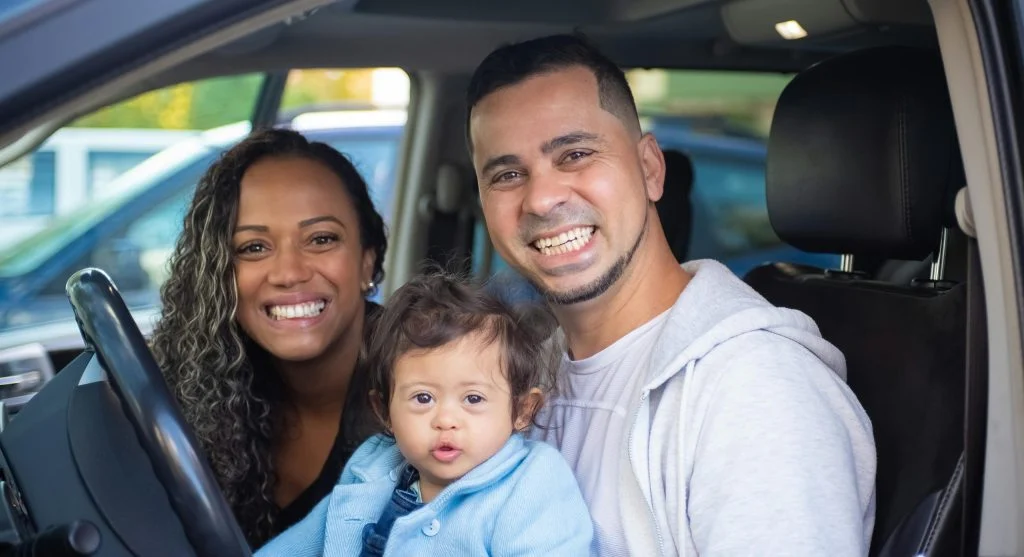
Families often expect children to remember the biggest part of a day out. Adults may assume the museum, zoo, party, beach trip, or holiday event will become the lasting memory. Yet family relationship specialists generally note that children often remember the same small “ride home” ritual more than the big outing itself. A shared snack in the car, one familiar song, a quick “favorite part of today” conversation, or the same stop for juice on the way back can leave a stronger emotional mark than the main event.
This matters because children often connect memory to repetition and emotional safety more than to size or excitement. Big outings can be fun, but they can also be loud, crowded, tiring, and full of stimulation. The ride home ritual, by contrast, usually happens in a calmer and more predictable emotional space. Development guidance often suggests that these repeated in-between moments become powerful because they help children process the day while feeling close, calm, and securely held within the family routine. Over time, the small ritual on the way home may become one of the most cherished parts of family life.
The End of an Outing Often Feels More Emotionally Open Than the Outing Itself
During a big event, children are often busy absorbing new sights, sounds, rules, and experiences. Even enjoyable outings can take a lot of emotional and physical energy. By the time the family starts heading home, that outward focus often begins to ease. The child is no longer trying to take in the environment in the same way and may become more emotionally available.
Family specialists generally note that this is one reason the ride home can feel so meaningful. The main event may have been exciting, but the emotional opening often comes afterward. In many homes, children become more reflective, more cuddly, or more willing to talk once the outing has ended and the family is moving back toward ordinary life.
Small Repeated Rituals Often Feel Easier to Hold in Memory
Children often remember what repeats. A large outing may happen only once, or it may look different every time. A small ride home ritual, however, can return again and again in almost the same form. The child begins to connect that repeated moment with comfort, belonging, and completion. Because it repeats, it often becomes easier to hold clearly in memory.
Child development specialists generally note that memory strengthens when experiences carry the same emotional pattern over time. In many families, the big destination changes, but the ride home ritual stays familiar. That sameness often helps the child remember it more vividly than the details of any single outing.
The Ride Home Often Gives Children a Chance to Process the Day
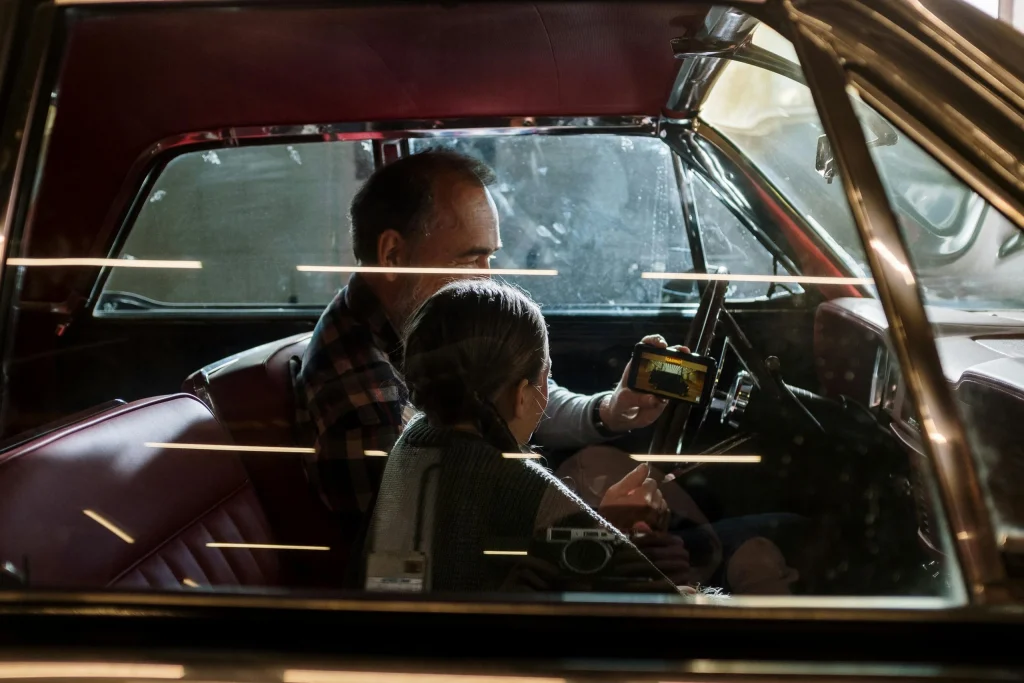
Many outings are too full for children to fully understand while they are happening. There may be too much movement, excitement, or novelty to sort through in the moment. The trip home often becomes the first chance for the child to begin turning the experience into feelings and thoughts. A familiar ritual can support that process in a gentle way.
Family communication experts generally note that children often reflect more naturally once the pressure of the event has passed. A simple repeated question, a quiet snack, or one shared song can help the child move from stimulation into meaning. In many homes, this is when children say what mattered to them most, even if adults expected that conversation to happen during the outing itself.
Children Often Feel Closest in Moments That Require Nothing From Them
Big outings often come with many expectations. Children may need to walk, wait, listen, behave, take turns, follow directions, and adjust when plans change. The ride home ritual often feels different because it asks much less of them. The child may only need to sit, rest, listen, nibble a snack, or answer one easy question. That lower demand can make closeness easier to feel.
Development specialists generally explain that connection often deepens when children are no longer working so hard to manage the world around them. In many families, the ride home feels emotionally warm because the child can finally relax enough to fully receive the family’s presence.
Rituals at the End of an Event Often Create a Sense of Completion
Children usually benefit when experiences have a recognizable ending. Without a clear emotional close, a big day may feel scattered or unfinished. A repeated ride home ritual can quietly show the child that the family outing is now being gathered into one familiar final chapter. This helps the child feel that the day had a shape from beginning to end.
Family routine experts generally note that endings matter because they help children organize experience. In many homes, the same song, stop, snack, or short conversation works like a closing bookmark. The outing no longer simply stops. It ends in a way that feels held together by the family.

Ride Home Rituals Often Become Emotional Anchors Across Different Kinds of Days
One reason these rituals can feel so strong is that they can remain steady across many different outings. The family may be coming home from a joyful event one week, a tiring errand the next, and a busy sports day after that. Even when the day itself changes, the familiar ritual can stay the same. That gives the child something emotionally steady across changing experiences.
Family psychology experts generally note that children often rely on repeated anchors when life feels varied or overstimulating. In many homes, the ritual matters because it reminds the child that no matter what kind of day the family had, there is still one dependable way of coming back together at the end.
Children Often Notice the Feeling of the Ritual More Than the Content
Adults may focus on what the ritual includes. Was it crackers, juice, one song, or a certain question? Children often remember the feeling first. Later, they may recall that the ride home always felt soft, funny, sleepy, or close. The specific content matters, but the emotional tone often matters even more.
Development guidance often suggests that family rituals become lasting memories when they carry a repeated emotional message. In many families, the ride home ritual quietly says, “We are together again,” “The hard part is over,” or “You can relax now.” That emotional message can stay with children long after they forget the practical details.
Small Rituals Often Outlast Big Plans Because They Fit Ordinary Life
Large outings require money, time, planning, and energy. Small ride home rituals often last because they are easy to keep. A certain phrase, a shared snack, one question, or the same song playlist can survive busy family life in a way that bigger traditions sometimes cannot. Because these rituals are simple, they happen more often. Because they happen more often, they often matter more.
Family relationship specialists generally note that children are deeply shaped by what returns reliably. In many homes, the ritual becomes emotionally strong not because it is impressive, but because it keeps showing up after all kinds of family days.
Children Often Carry the Ride Home Feeling Into Their Idea of Family Itself
Children often remember the same small “ride home” ritual more than the big outing itself because repeated endings become part of how family life feels in their memory. The major event may fade in detail, but the familiar snack, shared words, or same closing song may remain because it captured something essential about being together.
In many families, the ride home ritual becomes bigger than the drive itself. It becomes a repeated signal that family life is not only about going out into the world, but also about how the family returns from it together. Over time, that small ritual can become one of the clearest emotional signatures of home.