Why Children Often Cooperate More When Parents Prepare the Transition Object Before the Routine Changes
Many daily parenting struggles happen in the space between activities, not during the activities themselves. A child may play happily, watch quietly, or rest calmly, then suddenly resist when it is time to put on shoes, brush teeth, leave the room, or begin the next routine step. Parenting specialists generally note that children often cooperate more when parents prepare the transition object before the routine changes because a visible next item can make the shift feel more concrete and less sudden. In many homes, children are not only reacting to the new demand. They are reacting to the feeling of being pulled from one world into another too quickly.
This matters because children often move through the day by following what is directly in front of them. Adults may already be thinking three steps ahead, but children are often still fully inside the current activity. Development guidance often suggests that one simple object from the next routine, such as pajamas, a hairbrush, a water bottle, or a backpack, can help bridge that gap. Over time, preparing the next item before the transition begins can reduce conflict, lower delay, and make routines easier to follow.
Children Often Shift More Easily When the Next Step Becomes Visible
Adults usually understand transitions through time. They know play is ending because dinner starts in five minutes, or screen time is ending because bedtime is coming. Children often understand transitions more easily through visible cues. When the next routine item appears in front of them, the coming change becomes easier to picture. The shift is no longer only spoken. It now has a physical sign.
Child development specialists generally note that visible cues support cooperation because they reduce the mental effort needed to imagine what comes next. In many families, children respond faster when they can see the toothbrush, coat, lunchbox, or book that belongs to the next part of the day.
A Transition Object Can Make the Change Feel Smaller
Children often resist when a routine change feels too big. The jump from playing on the floor to being told to get ready for bed can feel emotionally huge. A transition object can make that jump feel smaller. The child is not being asked to move instantly into the entire bedtime routine. The child is first being connected with one item that belongs to it.
Parenting experts generally explain that children handle change better when it arrives in smaller pieces. In many homes, one prepared object softens resistance because the child begins moving toward the next routine before feeling fully pushed into it.
Prepared Items Often Reduce the Delay Between Saying and Doing
One common reason routines break down is that too many small delays appear after the adult gives the instruction. The child is told to get ready, but the shoes are not by the door, the toothbrush is still in another room, or the homework folder has not been found yet. These gaps often invite stalling, wandering, or a return to the previous activity.
Family routine specialists generally note that children often do better when the path from instruction to action is short. In many homes, preparing the transition object in advance reduces that gap and makes it easier for the child to move directly from hearing the cue to starting the next step.
Children Often Cooperate Better When the Body Has Something to Do
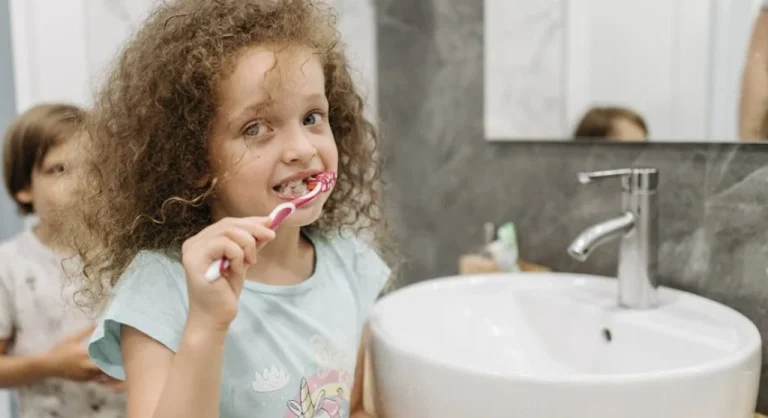
Transitions are not only mental. They are physical too. Many children struggle most when they must stop one activity and wait in an emotional empty space before the next one begins. A transition object gives the body something concrete to do. The child can hold the socks, carry the cup, take the towel, or grab the library book. That small action often helps the body leave the old activity behind.
Development specialists generally explain that movement toward the next routine often begins more easily when children can physically interact with one part of it. In many families, this simple step lowers resistance because the child no longer feels stuck between activities with nothing to hold onto.
Prepared Objects Can Reduce Repeated Verbal Reminders
Parents often find themselves giving the same instruction again and again during transitions. Repetition usually increases when the routine depends entirely on spoken language. A prepared item can share part of that work. The object itself reminds the child what is coming and reduces the need for adults to keep pushing the routine with words alone.
Family communication specialists generally note that children often respond more steadily when adults use a mix of visual, physical, and verbal cues. In many homes, one prepared object turns the transition into something easier to notice and harder to ignore without making the adult sound increasingly frustrated.
One Object Can Help the Child Understand the Direction of the Day
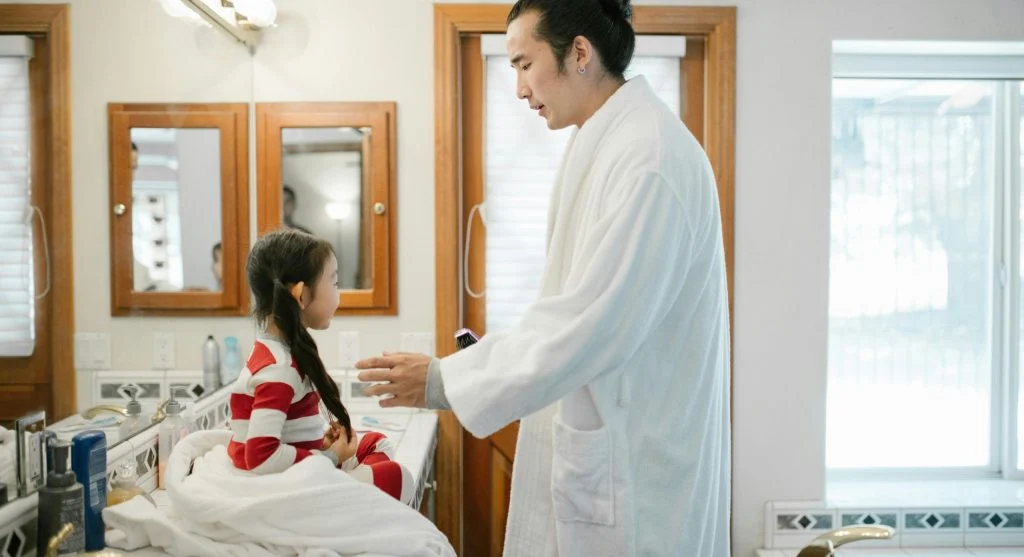
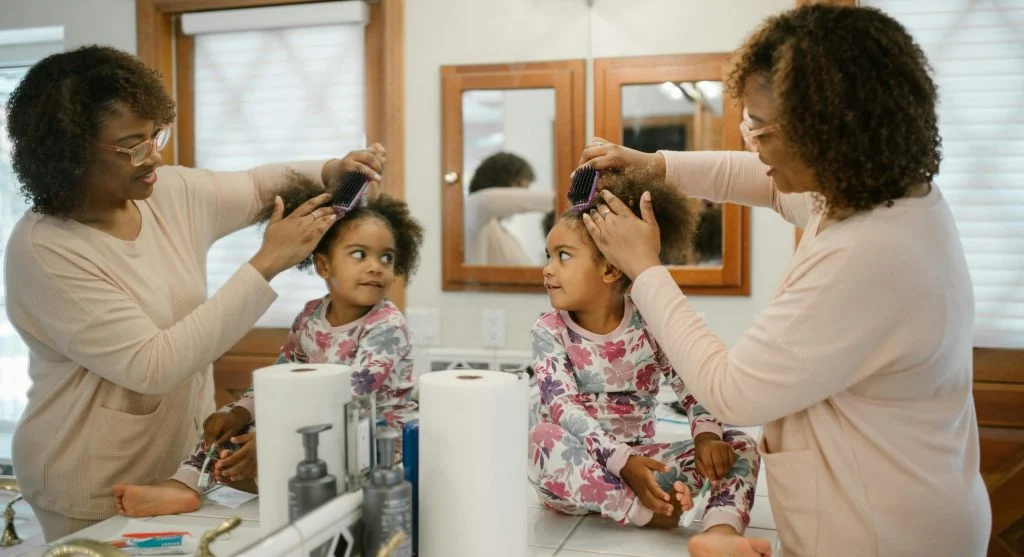
Children often feel calmer when the day has a visible flow. A prepared transition object quietly communicates where family life is heading next. Pajamas mean bedtime is approaching. A lunchbox means school departure is real. A towel means bath time is next. These objects can become familiar directional signals that help children feel less surprised by routine changes.
Child development specialists generally note that predictable signals support emotional security. In many families, the child becomes less reactive over time because the next item helps make the day’s movement understandable before the adult fully asks for cooperation.
Adults Often Stay Calmer When the Transition Is Already Set Up
Preparing the next object does not only help children. It often helps adults feel more organized too. When the needed item is already in place, parents are less likely to scramble, raise their voice, or turn a simple routine into a last-minute search. That calmer tone often affects the child’s response right away.
Parenting experts generally note that routines improve when adults reduce their own stress points first. In many homes, a transition object works partly because it keeps the parent from sounding rushed or emotionally overloaded during the handoff from one part of the day to the next.
The Best Transition Object Is Usually Simple and Consistent
Families do not need an elaborate routine system for this approach to help. What usually matters most is choosing one object that clearly belongs to the next activity and using it regularly enough that the child begins connecting it with the transition. One predictable item often works better than too many changing signals.
Development guidance often suggests that consistency matters more than creativity. In many families, children respond best when the same kind of object keeps marking the same kind of shift. Over time, that small repeated cue becomes part of what helps daily routines move with less friction.
Children Often Follow Routines Better When the Next Step Can Be Touched
Children often cooperate more when parents prepare the transition object before the routine changes because visible and physical cues can make abstract expectations easier to use. The child no longer has to imagine the next step entirely through words. The next part of the day is already partly present and ready to be entered.
In many homes, smoother routines begin not with more talking, but with one simple item placed in the child’s path at the right moment. Over time, that prepared object can help transitions feel less like interruptions and more like manageable movements through the day.
Key Takeaway
Children often cooperate more when parents prepare the transition object before the routine changes, because one visible item can make the next step feel clearer and less sudden. A toothbrush, coat, backpack, towel, or pair of pajamas set out in advance can reduce delays, lower resistance, and make it easier for children to move from instruction to action.
Families often notice calmer transitions when the next routine can be seen and touched before it fully begins. Over time, this small habit can make everyday routines easier for both children and adults.