Why Children Often Open Up More After Adults Describe the Situation Instead of Asking “Why Did You Do That?”
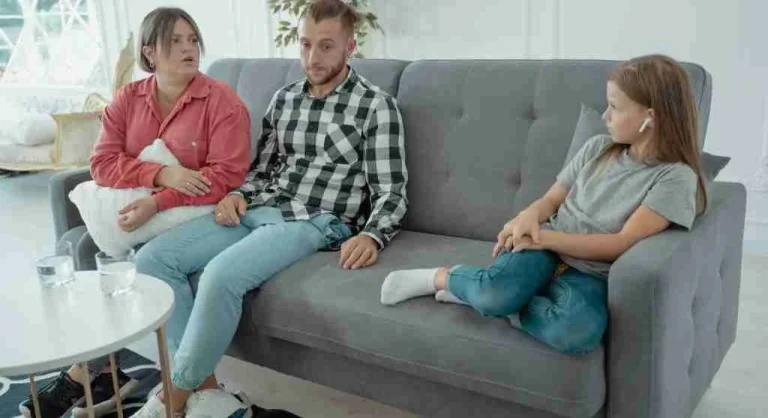
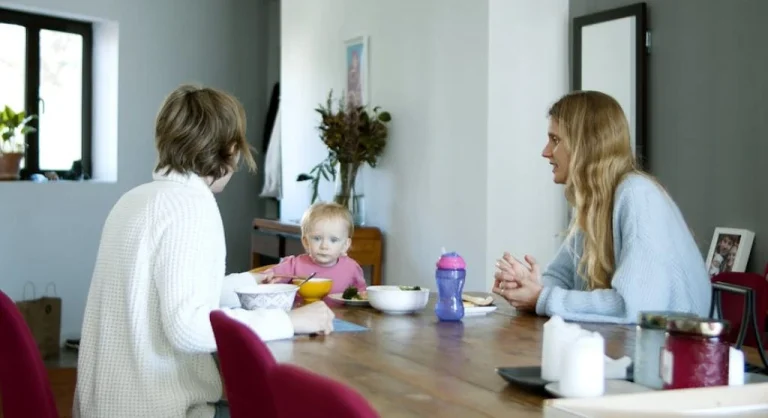
Many difficult family conversations begin with a familiar question: “Why did you do that?” Adults usually ask because they want understanding, honesty, and accountability. Yet child development and family communication specialists generally note that children often open up more when adults describe the situation instead of asking “why” right away. In many homes, the word “why” can make children feel cornered before they have even organized their thoughts. A calmer description of what happened often gives them a better way into the conversation.
This matters because children do not always know why they did something, at least not in the clear verbal way adults are hoping for. A child may have acted out of impulse, frustration, embarrassment, excitement, jealousy, or simple overload. Those inner states can be hard to explain on the spot. Development guidance often suggests that children respond more openly when adults begin by calmly naming what they saw and leaving room for the child to add to it. Over time, this can support more honest conversations and less defensive silence.
“Why” Often Sounds Larger to Children Than Adults Intend
Adults may hear “Why did you do that?” as a normal question. Children often hear it differently. The question can sound like a demand for a perfect explanation when the child is still upset, confused, or ashamed. Even if the child wants to answer, the pressure of finding the “right” reason may lead to shutdown, denial, or repeated “I don’t know” responses.
Family communication experts generally note that children are highly sensitive to questions that feel like judgment. In many homes, a child becomes less talkative not because they refuse responsibility, but because the question itself feels too heavy too quickly.
Children Often Understand Actions Before They Understand Motives
Many children can describe what happened more easily than why it happened. A child may be able to say, “He took my turn,” or “I was already mad,” long before they can explain deeper motives such as feeling ignored, overwhelmed, or left out. Asking for motive too early can create a gap in the conversation.
Child development specialists generally note that self-awareness grows gradually. Children often need help moving from visible action to internal meaning. In many families, starting with a calm description of the event works better because it begins where the child’s understanding is strongest.
Describing the Situation Can Lower Defensiveness
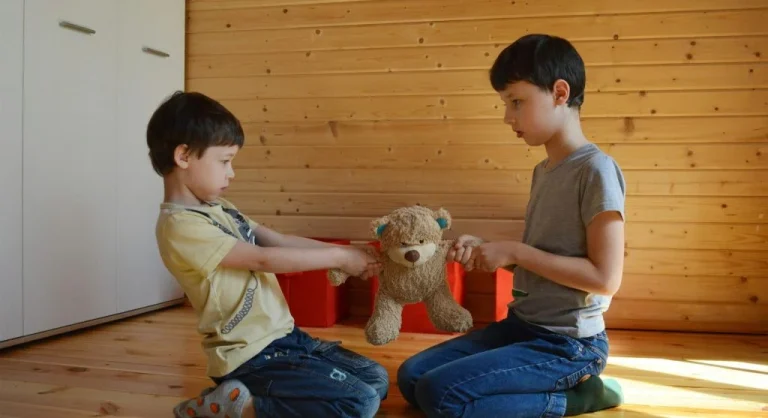
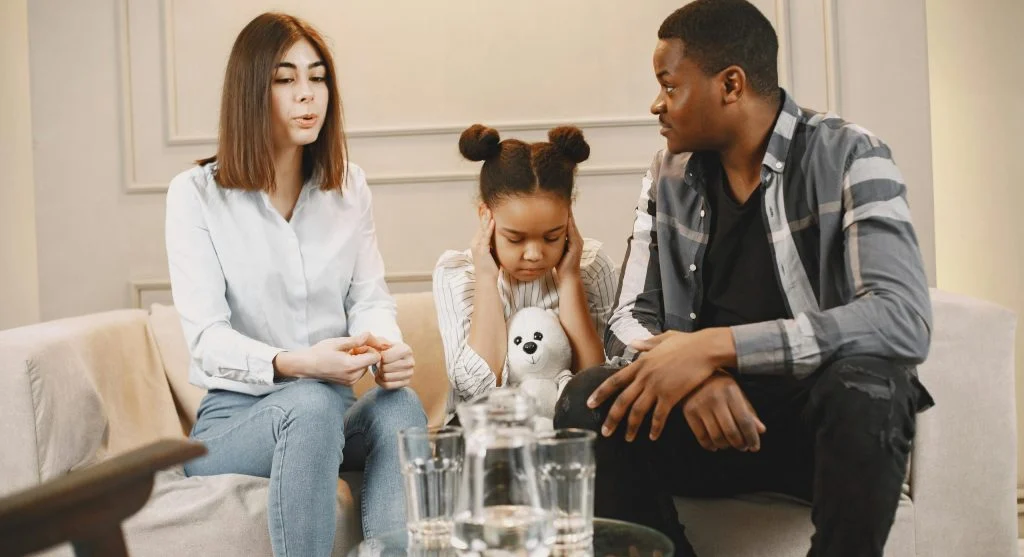
When adults calmly say something like, “I saw you grab the toy after your brother picked it up,” the conversation often feels more grounded. The child hears an observation instead of a challenge. This can reduce the need to defend immediately. The adult is not demanding a full explanation in the first sentence. The adult is creating a shared starting point.
Development specialists generally explain that children are more open when they do not feel forced to protect themselves right away. In many homes, a simple description lowers the emotional heat enough for the child to keep listening instead of arguing or pulling away.
Children Often Need a Shared Version of the Event Before They Can Reflect
Adults sometimes move too quickly into analysis. Children often do better when both people first agree on what happened. A calm description of the event creates that shared version. Once the child hears the moment put into simple words, reflection often becomes easier because the conversation now has shape.
Family relationship specialists generally note that children often think better when the event is organized for them in clear, concrete language. In many homes, this makes the next part of the discussion more productive because everyone is standing on the same ground before moving into feelings or choices.
Description Often Gives Children Words They Can Build On
Some children shut down because they do not know how to begin telling the story. A descriptive opening can act like scaffolding. If the adult says, “You looked upset when the game changed,” the child now has something to respond to. The child can agree, correct it, or add more detail. This is often easier than starting from nothing while feeling pressured.
Child behavior experts generally note that children do not always need less conversation. They often need a better doorway into conversation. In many families, descriptive language provides that doorway because it turns a vague emotional mess into something easier to answer.
Children Often Correct Adults and Reveal More in the Process
One useful thing about describing a situation is that children often respond even when the description is not fully accurate. A child may say, “No, that’s not what happened,” or “I wasn’t mad, I thought she was cheating.” That correction can be helpful. It opens the door to a fuller explanation without the confrontation that often comes with a direct “why” question.
Development guidance often suggests that children reveal a lot while correcting adult assumptions. In many homes, this creates a more natural path toward honesty because the child feels involved in clarifying the event instead of defending against an accusation.
Description Separates Understanding From Excusing
Some adults worry that describing the situation sounds too soft or too permissive. In practice, understanding and excusing are not the same thing. A parent can calmly say what happened, hear the child’s side, and still hold a clear limit. The difference is that accountability grows from understanding instead of immediate pressure.
Family communication specialists generally note that children learn better from correction when they first feel understood. In many homes, this approach leads to stronger responsibility because the child is no longer spending the whole conversation protecting against shame.
Children Often Learn Reflection Through Repeated Calm Conversations
Over time, children begin to internalize the style of conversation adults use with them. If adults regularly begin with calm description, children may slowly become better at noticing and describing their own experience. They may start saying things like, “I was already mad,” or “I thought he was doing it on purpose,” because the family has modeled how to move from action into reflection.
Child development specialists generally note that emotional insight grows through repeated guided language. In many families, these calmer openings help children build self-understanding over time, not just solve one difficult moment.
Children Often Speak More Freely When the First Step Feels Safe
Children often open up more after adults describe the situation instead of asking “Why did you do that?” because description creates safety, clarity, and a usable starting point. It helps children enter the conversation at the level they can manage first, then gradually move toward deeper reflection. The goal is not to avoid accountability. The goal is to reach it through a conversation the child can truly participate in.
In many homes, better communication begins not with sharper questions, but with calmer observations. Over time, this small shift can make difficult conversations feel less like interrogations and more like shared efforts to understand what happened and how to do better next time.