Why Children Often Feel More Attached to Weekly Family Rituals Than Occasional Treats
Interior decor tips are centered on simple changes that improve layout, lighting, and overall balance. Using fewer decor pieces, improving lighting, and keeping colors consistent can make a living room feel more comfortable, stylish, and organized. Experts recommend keeping the design simple so the space remains flexible over time.
Children Often Feel More Included in Rituals Than in Treats
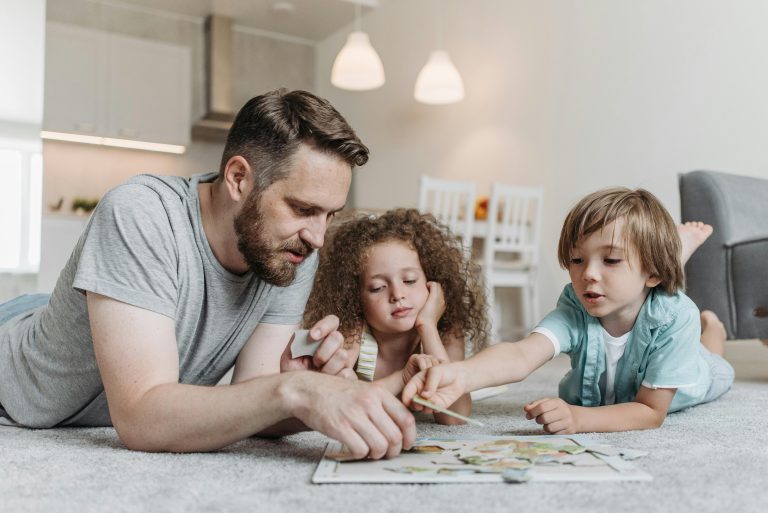
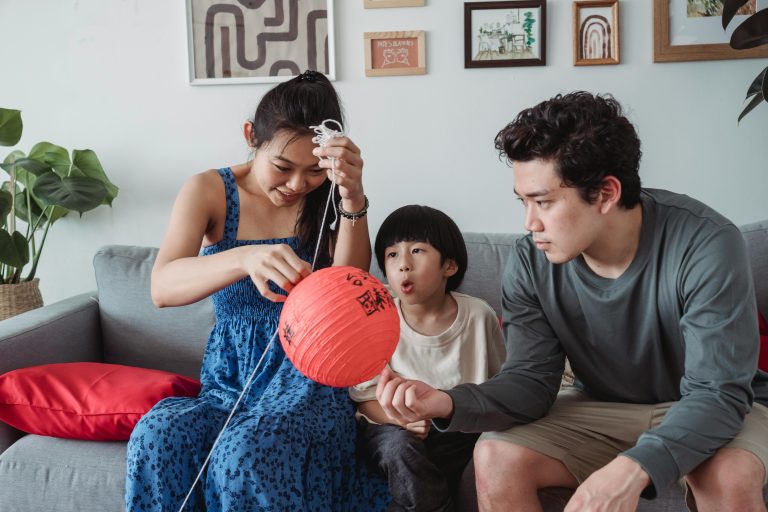
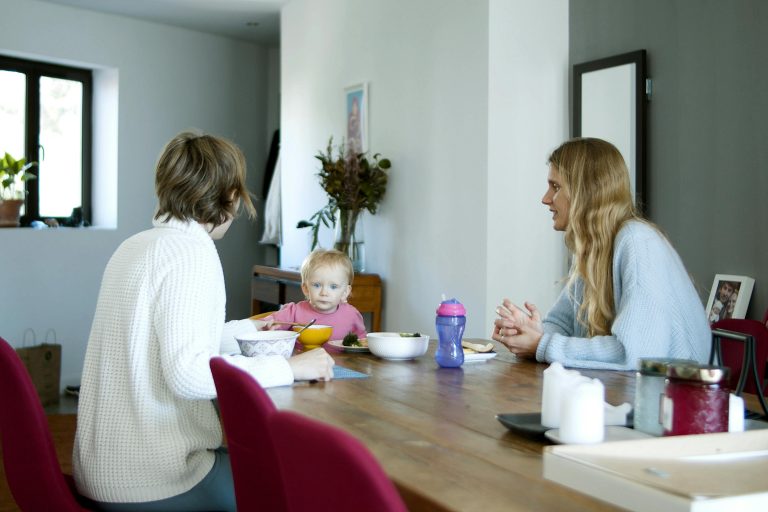
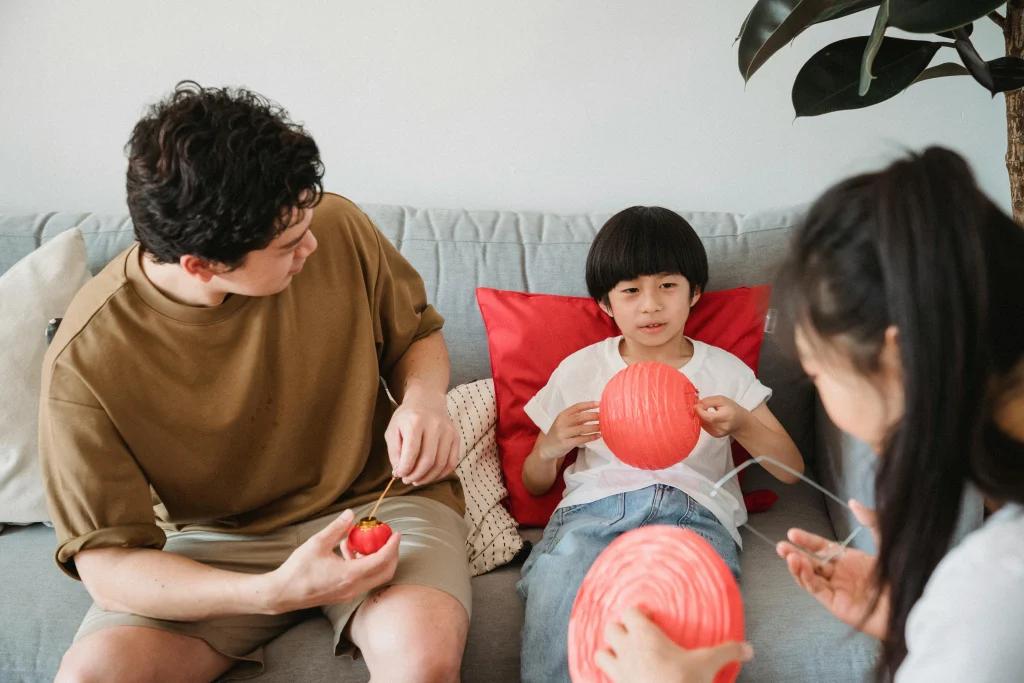
A treat is often something given to a child. A ritual is often something the child joins. This difference matters. In weekly rituals, children often know their role. They may set out plates, choose a story, stir ingredients, pick the game, or help prepare the space. That participation can make the experience feel more personal and more emotionally meaningful than a reward that simply appears.
Family relationship experts generally note that belonging grows through involvement. Children often feel more attached to rituals because the ritual gives them a visible place inside family life. Instead of only receiving something enjoyable, they are helping create something shared.
Rituals Often Carry a Calmer Emotional Tone
Occasional treats can bring excitement, but they can also create pressure, overstimulation, or a strong focus on getting something. Weekly rituals often feel calmer because they are familiar and do not need to impress anyone. The child usually knows how the moment will begin, who will be there, and what the emotional tone tends to be. That steadiness often makes the ritual feel safer and warmer.
Family communication specialists often note that children connect deeply in lower-pressure settings. A quiet weekly ritual may create more room for conversation, laughter, and relaxed presence than a bigger treat-centered event. In many homes, this calmer tone is one reason rituals become so emotionally important.
Weekly Rituals Help Build Family Identity
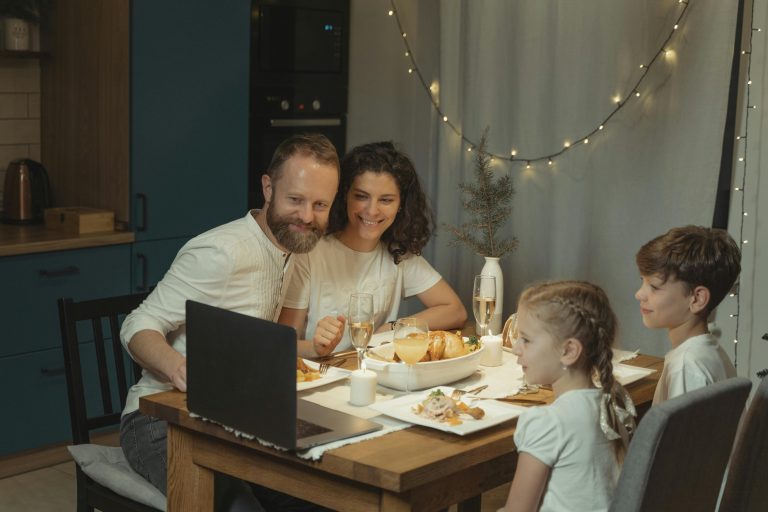
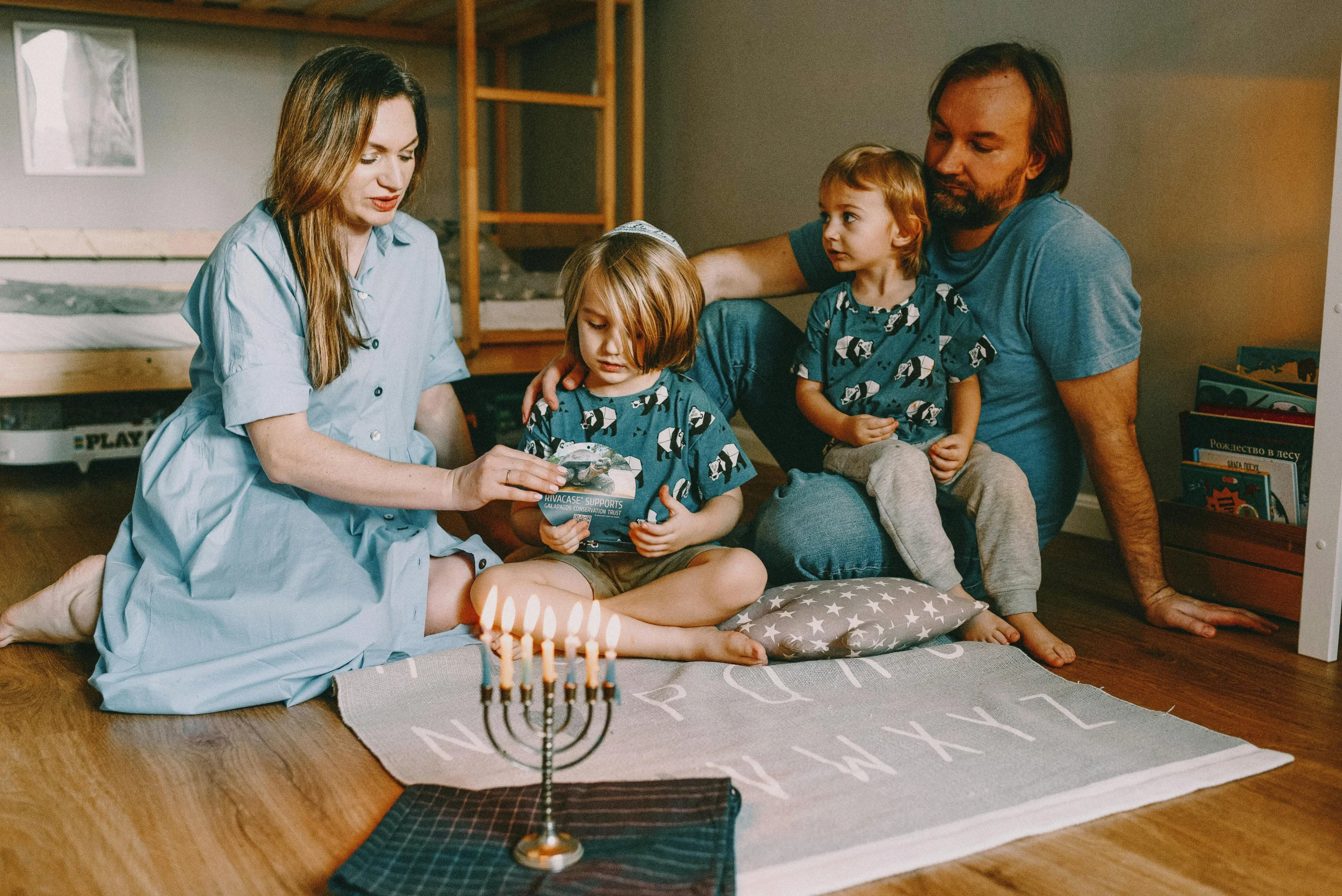
Children often understand family identity through repeated experiences. A family that always takes a Friday walk, shares a Sunday breakfast, or watches a movie together one night each week is quietly building a picture of what this family does and how this family belongs together. Over time, the ritual becomes part of the child’s answer to an unspoken question about what family life means.
Family psychology experts often describe repeated rituals as part of shared family culture. Children may not use that language, but they often feel the meaning clearly. The ritual says that togetherness is not occasional. It is part of the rhythm of ordinary life.
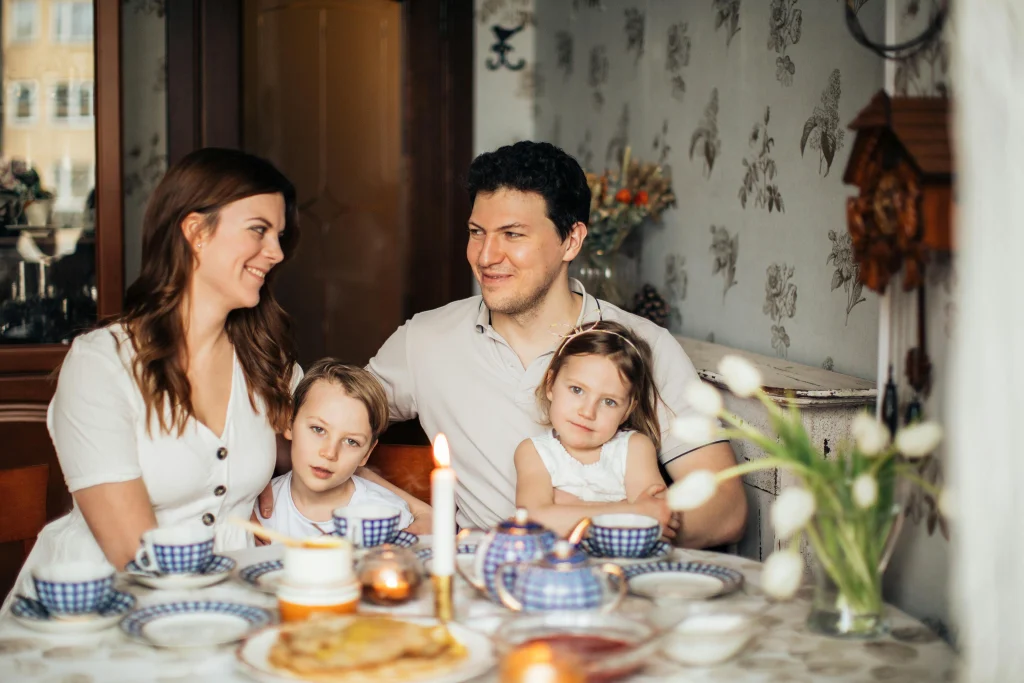
Credit: Elina Fairytale / Pexels
Children Often Trust What Returns More Than What Surprises
Surprises can be fun, but children often place deeper emotional trust in experiences that return regularly. A weekly ritual teaches the child that something enjoyable and connecting will come back again. The child does not have to wonder when the next pleasant family moment will happen because the pattern itself provides that answer. This kind of trust can be deeply reassuring.
Child development specialists generally note that repeated positive experiences help children feel emotionally secure. In this way, attachment to the ritual is not only about enjoyment. It is also about trust in the reliability of family connection. That trust often makes the ritual feel especially important in the child’s world.
Simple Rituals Usually Last Long Enough to Matter Deeply
One reason weekly rituals become so meaningful is that they usually fit real life better than larger treat-based events. A simple meal, walk, story time, or game can continue across months and years with fewer barriers than elaborate plans. Because the ritual lasts, it has more chances to shape memory and attachment over time.
Family routine experts generally note that sustainable traditions often become the strongest ones. Children often grow most attached to what truly stays with them. In many homes, it is the repeated weekly pattern, not the occasional reward, that becomes one of the deepest emotional markers of family life.
Key Takeaway
Children often feel more attached to weekly family rituals than occasional treats because rituals offer repetition, belonging, and a dependable sense of connection. Weekly traditions often become emotionally powerful by returning often enough to feel like part of ordinary family life. Families usually build the strongest long-term memories through simple repeated moments rather than only through bigger rewards or surprises. In many homes, weekly rituals become lasting anchors of trust, closeness, and family identity.