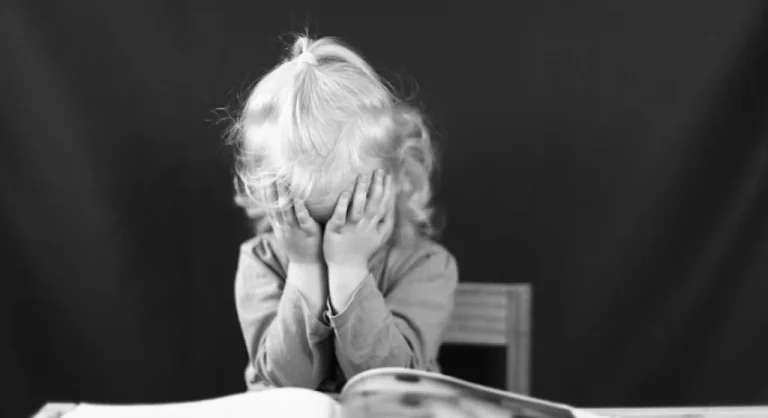

Why Children Often Start Describing Arguments More Fairly Once They Can Say What the Other Child Wanted Too
`Many children tell conflict stories in a very one-sided way at first. They focus on what the other child did, what felt unfair, what was taken, what was said, or how upset they became. That is a normal starting point, especially when feelings are still strong. Yet child development specialists generally note that children often start describing arguments more fairly once they can say what the other child wanted too because the conflict stops feeling like a one-person injury report and starts becoming a two-person situation. In many homes, the shift toward fairness in storytelling begins not when children become less emotional, but when they become more able to imagine the other child’s goal.
This matters because social growth is not only about sharing toys or saying sorry. It is also about learning how to represent a disagreement accurately enough to understand it. Development guidance often suggests that children become more balanced in describing arguments when they can hold two motivations in mind at once: their own and someone else’s. Over time, this helps children explain social problems more clearly, recover from conflict with less blame, and develop stronger skills for friendship and cooperation.
Children Often Tell Conflict Stories From the Center of Their Own Feelings First
When children are upset, their first version of an argument usually grows from how the situation felt to them. That makes sense. If a child felt pushed, ignored, excluded, interrupted, or treated unfairly, those details become the center of the story. The child may not yet be able to step outside that emotional center long enough to wonder what the other child was trying to do.
Child development experts generally explain that early conflict descriptions are often self-centered in the developmental sense, not selfish in the moral sense. In many families, children are not trying to distort the story. They are simply reporting from the point where the emotion landed hardest.
Fairness in Telling an Argument Requires More Than Good Memory
Adults sometimes think a fair retelling is mostly about remembering facts correctly. For children, it is more complex than that. A fair account of an argument usually requires perspective-taking, emotional regulation, and some ability to separate action from intention. A child has to notice not only what happened, but why it might have happened from someone else’s side.
Family communication specialists generally note that children often gain fairness in social storytelling only after several other skills begin growing underneath it. In many homes, this is why one child can remember every detail of a conflict and still describe it in a very narrow way.
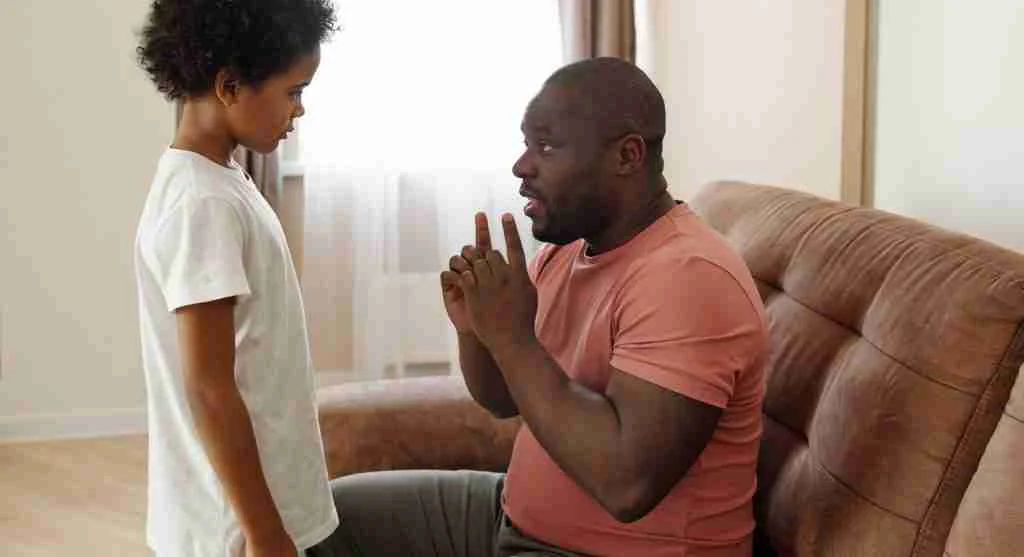
Saying What the Other Child Wanted Changes the Shape of the Story
One of the clearest developmental shifts in conflict description happens when children begin saying things such as, “He wanted to go first,” “She wanted the same marker,” or “He thought I was not listening.” These kinds of statements do not erase the child’s own hurt or frustration. What they do is widen the story. The disagreement stops sounding like random meanness and starts sounding like two children whose goals collided.
Development specialists generally explain that this is an important social milestone because it shows the child is beginning to map intention, not only impact. In many families, the first sign of a fairer retelling is not a calmer tone. It is the appearance of the other child’s motive somewhere in the story.
Children Often Become Less Stuck in Blame Once Motives Are Included
Blame tends to grow strongest when the other person’s behavior looks senseless or purely hostile. If a child believes, “She grabbed it for no reason,” anger often stays sharp. If the child can say, “She wanted the turn and got upset,” the conflict may still feel unpleasant, but it becomes easier to understand. Understanding does not mean approval. It simply makes the event feel less mysterious and less personally targeted.
Parenting specialists generally note that children often soften in their retelling once motives are visible. In many homes, the child still feels wronged, but the story becomes less absolute because the other child is no longer described as acting out of nowhere.
This Shift Often Marks Growing Perspective-Taking
Perspective-taking is one of the major developmental tasks of childhood. It grows gradually, unevenly, and often shows up first in very small ways. A child may not suddenly become fully empathetic in every situation, but may begin showing small signs of perspective awareness in conflict stories. Mentioning what the other child wanted is often one of those signs.
Child development specialists generally explain that children usually learn to see another person’s point of view long before they can stay consistently calm about it. In many families, a more balanced conflict story is one of the earliest clues that social thinking is becoming more complex.
Children Often Need Emotional Distance Before They Can Name the Other Side
It is important to remember that this skill is easier after the most intense part of the upset has passed. In the middle of a fresh argument, many children cannot yet say much about the other child’s wants because their own feelings are still too large. Later, once the nervous system settles, perspective often becomes easier to reach. The child can then look back with a little more room inside the story.
Family behavior experts generally note that fairness in conflict retelling often depends on timing. In many homes, the child sounds much more balanced ten or fifteen minutes later than in the first burst of emotion right after the disagreement.
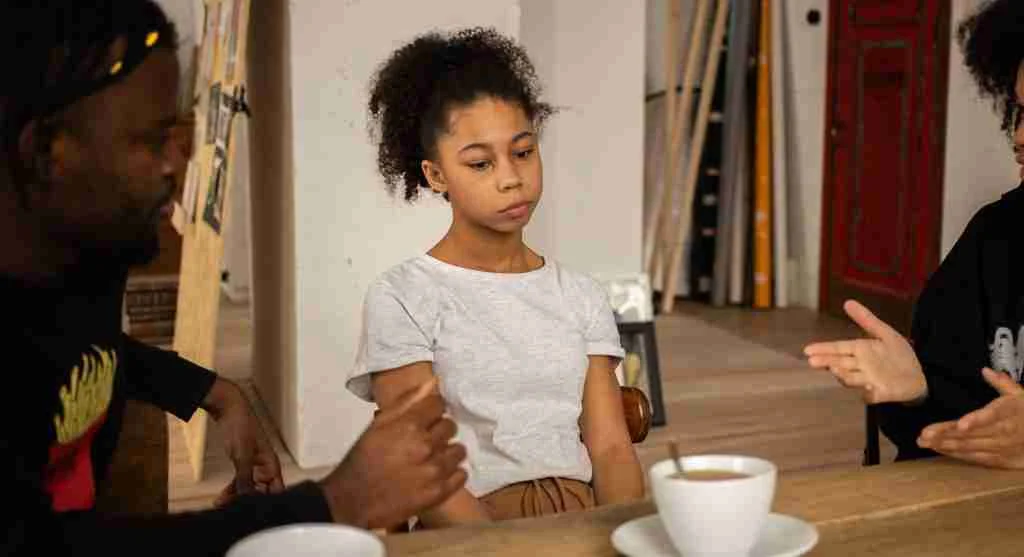
Understanding the Other Child’s Goal Does Not Mean Excusing Hurtful Behavior
Some adults worry that encouraging children to name the other side will make them minimize their own feelings or excuse unkindness. In practice, understanding motive and naming hurt can happen together. A child can say, “He wanted the ball, but he still pushed me,” or “She wanted my seat, but she was still unkind.” This is not weakness. It is more mature social description.
Development guidance often suggests that children grow strongest when they learn both parts of social reality at once: other people have reasons, and those reasons do not erase harmful behavior. In many families, this balance helps children become fairer without becoming passive.
Children Often Sound More Accurate Once They Can Describe Two Wants Colliding
Many childhood arguments are not really about one child being entirely right and the other entirely wrong. They are often about two wants crashing into each other at the same time. One child wanted the red shovel. The other child wanted one more minute. One child wanted the teacher’s attention. The other wanted to keep the game going. Once children can recognize this structure, their conflict explanations often become much more realistic.
Family relationship specialists generally note that social maturity increases when children begin seeing arguments as clashes of goals rather than one-sided attacks alone. In many homes, this changes how children talk about problems and how adults can guide them through them.
Parents Often Hear More Honest Stories When They Make Room for Both Sides
Adults can influence how children describe conflict simply by how they listen. If the conversation sounds like a search for who was wrong, the child may stay defensive and narrow. If the conversation makes room for what each child wanted, the story often opens. The child no longer has to protect one flat version of events and can begin describing the situation with more honesty and complexity.
Child communication experts generally note that children often offer fuller conflict stories when adults sound curious about the whole event rather than only the offense. In many homes, this helps children move from accusation toward explanation.
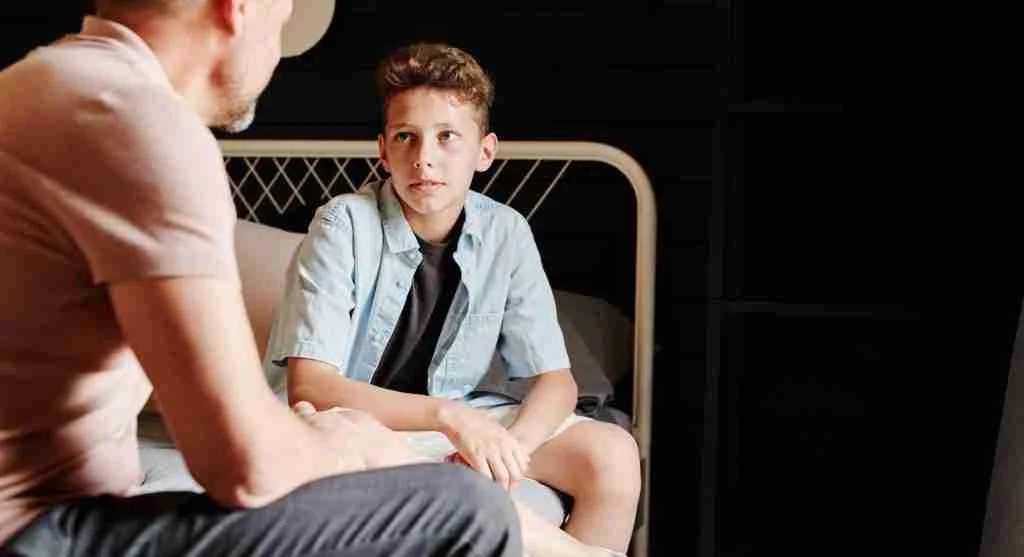
This Skill Often Supports Better Friendship Repair Later
Children who can say what the other child wanted are often better positioned to repair relationships too. That is because repair usually depends on understanding what went wrong for both people, not just one. If a child can hold two sides of a disagreement in mind, apologizing, negotiating, and restarting play often become more possible. The conflict no longer feels like a dead end.
Development specialists generally explain that social repair grows from perspective-taking as much as from rule-following. In many families, a fairer argument story becomes one of the early steps toward stronger friendship skills.
Children Usually Learn This Gradually, Not All at Once
This developmental shift rarely appears perfectly. A child may describe one disagreement fairly and the next one very one-sidedly. The child may understand another person’s motive in a small toy conflict but not yet in a more painful social exclusion. That unevenness is normal. Perspective-taking often arrives in pockets before it becomes more steady.
Child development specialists generally note that growth in social explanation is usually gradual and context-dependent. In many homes, adults notice flashes of fairness long before they notice full consistency.
Why Children Often Start Describing Arguments More Fairly
Children often start describing arguments more fairly once they can say what the other child wanted too because the conflict stops being told only from the center of their own hurt and starts becoming a fuller social story. The child begins noticing that the other person had a goal, even if the behavior was still messy or unkind. That often makes the retelling more accurate, more balanced, and more useful for solving what happened next.
In many families, stronger social maturity does not begin with children becoming instantly calm. It begins with them becoming more able to hold two motivations in mind at once. Over time, this helps children explain problems more fairly, understand conflict more deeply, and grow into more thoughtful friendship and communication skills.
FAQ
Why does my child only tell the part where the other child was wrong?
Because many children first describe conflict from the center of their own feelings and only later grow into seeing the other child’s motive or goal too.
Does understanding the other child’s want mean my child should ignore hurtful behavior?
No. A child can understand what the other child wanted while still recognizing that the behavior was wrong or hurtful.
Is this connected to perspective-taking?
Yes. Being able to say what the other child wanted is often an early sign that perspective-taking is developing.
Will children usually get better at this over time?
Often yes. As emotional regulation and social understanding grow, many children begin telling conflict stories in a more balanced and accurate way.
Internal Linking Suggestions
Link this article to posts about sibling conflict, helping children resolve friendship problems, perspective-taking in childhood, emotional regulation after arguments, and calm family communication during social struggles.
Key Takeaway
Children often start describing arguments more fairly once they can say what the other child wanted too because perspective-taking begins to widen the story beyond their own hurt. This does not excuse bad behavior, but it helps the child understand conflict as a clash of goals rather than only a one-sided attack. Families often see better communication and better problem-solving when children begin telling both sides of a disagreement more clearly. Over time, this skill becomes an important part of social maturity, friendship, and conflict repair.