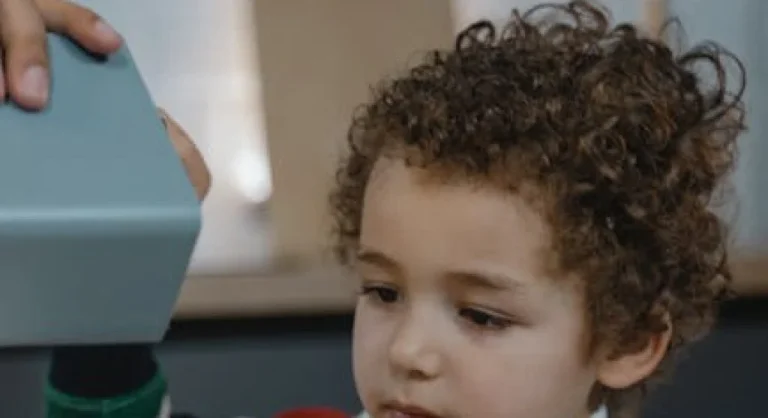

Why Children Often Need More Practice With Following Two Step Directions
Many adults expect children to handle two-step directions easily once the language feels familiar. A parent might say, “Put your shoes away and wash your hands,” or “Bring your folder and sit at the table,” and then feel puzzled when only one part gets done. Child development specialists generally explain that following two-step directions depends on several developing skills working together listening, working memory, shifting attention, and holding language in mind long enough to act on it. In many cases, difficulty with these directions reflects development, not refusal.
This matters because partial follow-through is often mistaken for not listening. In reality, many children are trying to manage more mental steps than adults realize. The first instruction alone can take up most of their attention, especially during busy routines or emotional moments. Development guidance often suggests that improvement comes through repetition, clear structure, and regular practice using short sequences in everyday situations.
Two-Step Directions Place a Bigger Load on Working Memory
One reason children need extra practice is that two-step directions require them to hold more than one piece of information at the same time. Working memory allows them to keep those steps active long enough to complete them in order. A child may understand both instructions when they hear them but still lose one while starting the first task. This happens often with younger children and during routines that already include distractions.
Development specialists emphasize that working memory is not about intelligence or willingness. It’s a skill that develops gradually. A child may fully intend to follow both steps and still only complete the first because the second slipped away before they could act on it.
Attention Often Stays With the First Step
Children also tend to focus closely on the first part of a direction. If a parent says, “Put your cup in the sink and bring your backpack,” the child may concentrate entirely on the cup, walk to the kitchen, get distracted, and forget about the backpack. They did hear the second step, but their attention stayed with the first task and didn’t carry the full sequence forward.
Child development experts often note that shifting attention smoothly between connected tasks is something children are still learning. Adults do this without thinking, but for children, it takes repeated experience before two steps feel like one continuous action instead of one task followed by a lost instruction.

Credit: www.kaboompics.com / Pexels
Language Processing Still Takes Time
Adults often give directions quickly because the task feels simple to them. For children, though, there’s more happening behind the scenes. A two-step direction means they have to hear the words, separate the steps, understand the order, and decide what to do first. If the instruction comes too fast or during a noisy, busy moment part of that process can get lost.
Family communication specialists often note that children respond best to directions that are clear, short, and free of extra detail. When the language is simple, it’s easier for children to hold both steps in mind and follow through without confusion.
Context Can Make Directions Harder or Easier
Children are usually more successful with directions in calm, predictable settings. A child who can handle two steps during quiet play might struggle during the morning rush, before dinner, or after a tiring day. This doesn’t mean the skill is gone it usually means the situation is placing extra demands on attention and self-control.
Child behavior specialists often point out that context plays a big role in how children perform. Factors like fatigue, hunger, excitement, or distraction can make even familiar tasks harder to complete. This is why children may seem inconsistent, even as they are gradually improving.
Repeated Daily Practice Usually Matters More Than Occasional Correction
Children tend to get better at following two-step directions through everyday repetition, not one-time correction. Daily routines getting dressed, setting the table, tidying up, or moving through bedtime offer natural opportunities to practice short sequences again and again. Over time, these moments help children become more comfortable linking steps together.
Development guidance often suggests that steady, low-pressure practice is more effective than expecting immediate success. When similar sequences come up regularly, children start to recognize the pattern and hold both steps in mind more easily.

Credit: Kamaji Ogino / Pexels
Children Often Do Better When the Sequence Feels Visible
Two-step directions are often easier for children when they can connect the words to something they can see or already recognize. When both steps are part of a familiar routine and happen in the same order each time, children are more likely to follow through. For example, “Hang up your coat and put your shoes by the door” becomes more manageable when those actions always happen in the same place and the environment clearly supports the sequence.
Family routine experts often note that children tend to cooperate more when the structure around the instruction is consistent. When routines are visible and repeated, children don’t have to build the sequence from scratch each time. Instead, the words link to a pattern they already understand.
Progress Often Appears in Small Signs First
Children rarely master multi-step directions all at once. Progress usually shows up in smaller, gradual ways. A child might need fewer reminders, complete the second step more often, or remember the missing step after a gentle prompt. These early changes are often signs that the skill is developing, even if it’s not consistent yet.
Child development specialists often encourage families to notice these small improvements. Following two-step directions is a skill that grows with practice, attention development, and familiarity with routines. In most homes, it becomes more reliable step by step, rather than all at once.