
Why Children Often Respond Better to Screen Limits When Alternatives Are Ready
Screens Often End More Smoothly When the Next Step Is Clear
Alternatives Help Reduce the Feeling of Sudden Loss
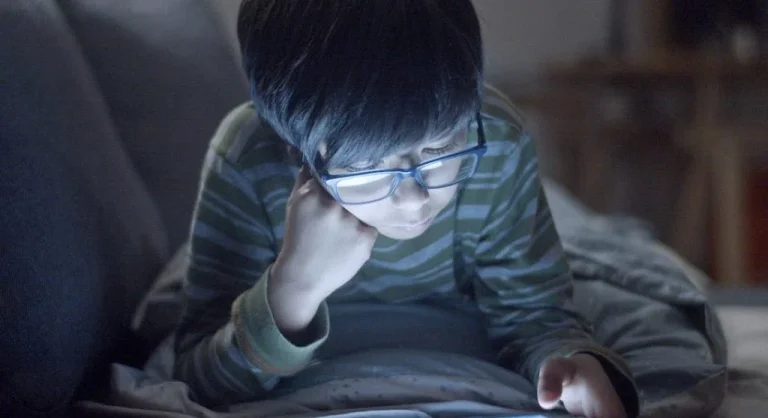
Screen time often feels rewarding because it’s immediate, engaging, and predictable. When it ends without anything clearly taking its place, the child may experience that moment mainly as a sense of loss. As a result, everyday expectations like dinner, cleanup, or getting ready for bed can seem even less appealing in comparison. The contrast becomes more noticeable because one activity has stopped and nothing equally clear has stepped in.
Child behavior specialists often point out that having alternatives in place helps soften this contrast. A child may still prefer the screen, but the emotional drop is usually less intense when another manageable activity is already waiting. In many families, this simple shift makes the transition feel less like something is being taken away and more like a natural move from one part of the day to the next.

Credit: Ketut Subiyanto / Pexels
Children Often Need Help Reorganizing Attention
After device use ends, children often need a bit of time to shift their attention back to the world around them. Screens can hold focus very tightly, especially when the content is fast-paced, interactive, or emotionally engaging. Coming out of that state, a child may not be ready right away to listen, solve a problem, or come up with something to do on their own. In those moments, even a simple transition can feel more difficult than adults expect.
Development specialists often explain that having an alternative activity helps because it gives the child’s attention a clear place to go. Without that, the child may stay mentally caught between the screen and whatever comes next. A ready activity can make this shift smoother by giving the transition a sense of shape and direction.
Predictable Alternatives Support Better Routines
Children often respond best when alternatives aren’t created on the spot each time, but are connected to familiar parts of the day. For instance, screen time might consistently lead into dinner, outdoor play, bath time, reading, a snack, or another regular quiet activity. This kind of predictability makes the transition feel easier, as the child begins to see it as part of the normal flow of the day rather than a one-off interruption.
Family media experts often point out that predictability matters because children are more comfortable with repeated patterns than with constantly changing ones. If the follow-up activity is always different, the ending can still feel uncertain. When the sequence becomes familiar, children are more likely to resist less because they can anticipate what comes next.
Not Every Alternative Needs to Be Highly Exciting
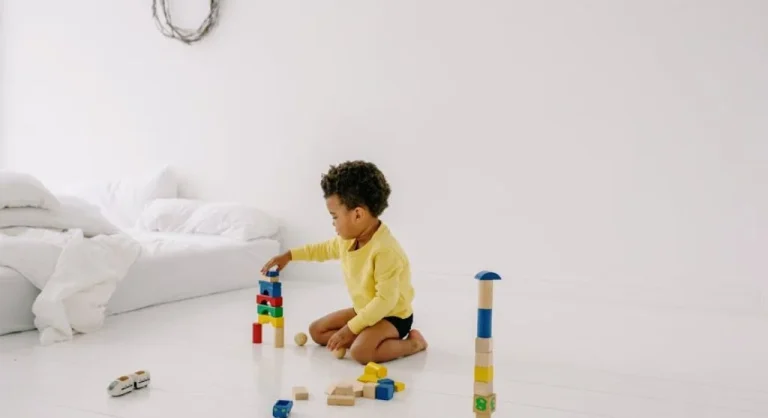
Families sometimes assume that whatever replaces screen time needs to be just as stimulating. In reality, that’s not always necessary. Children often do better with an activity that’s simple, accessible, and emotionally manageable rather than one designed to be especially exciting. Drawing supplies already set out, a quick snack, a walk with the family, building toys, a puzzle, or helping with a familiar task can be enough to support the transition.
Child development specialists often note that what matters most isn’t how impressive the alternative is, but how easy it is to start. When a child can move into it without much effort, the transition tends to go more smoothly. In many homes, simple activities work better than complicated ones because they’re easier to repeat and easier for the child to rely on.

Credit: Vitaly Gariev / Pexels
Alternatives Often Lower Conflict for Adults Too
Having alternatives ready doesn’t just help children—it also eases the burden on adults by making the transition more concrete. Without a plan, parents may end up repeating reminders, getting pulled into arguments, or scrambling to decide what to do next while the child becomes more upset. Over time, this can make setting screen limits feel exhausting for everyone.
Family routine specialists often point out that adults are more consistent with boundaries when there’s already a structure in place. A ready alternative removes the need to figure out the next step in the middle of a challenging moment. In many households, this makes it easier for adults to stay calm and helps screen limits feel more manageable in the long run.
Children Usually Learn the Pattern Through Repetition
Screen transitions rarely improve after just one well-planned day. Children usually need repeated experience before they begin to trust that the end of screen time leads to something clear and manageable. Over time, when a child consistently moves from screens into a familiar next step, resistance often decreases because the pattern no longer feels unexpected or empty.
Child behavior experts often encourage families to view this as building a routine rather than managing a one-time behavior. The goal isn’t to create a perfect transition every single day, but to give the child enough consistent experiences that ending screen time starts to feel less abrupt and less emotionally charged.