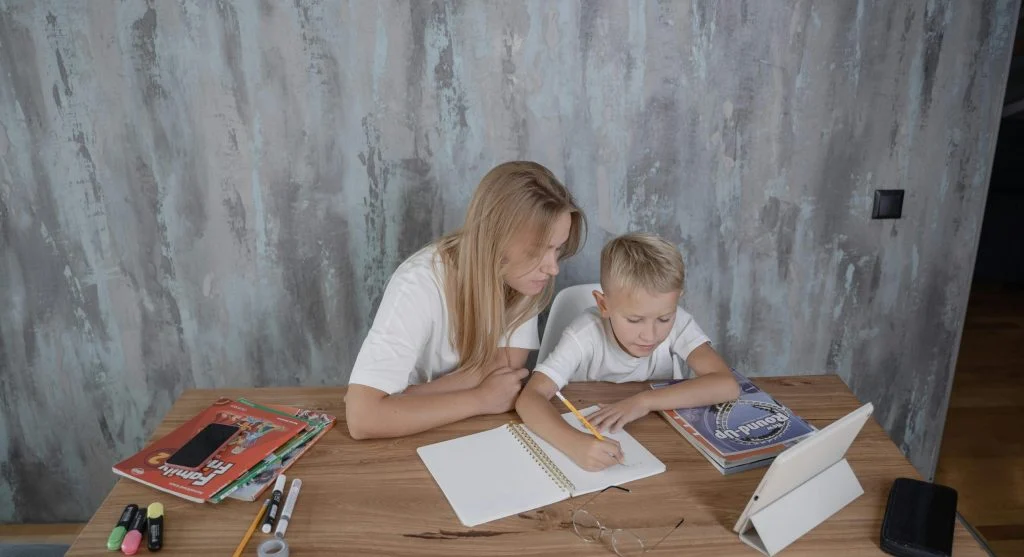
Why Children Often Learn Better When Home Practice Feels Familiar
Many families help their children with learning at home by getting new resources, doing different things, and offering different ways to practice. While a mix of things is good, experts in how children grow and are educated usually say kids actually learn better when practicing at home feels like something they’ve done before.
Knowing what to expect eases worries, makes a child less likely to be upset, and means they can put more of their strength into the skill they’re working on, instead of having to get used to something totally new each time. In a lot of houses, children make the most progress with learning not because every session is amazingly inventive, but because they do it regularly enough for it to be predictable and doable.
This is important because kids are still getting better at focusing, being willing to try, and remembering what they’re told when they’re in the process of learning. If the practice changes too frequently, the child might use up lots of effort just figuring out what’s going on before they can even begin to learn. A routine they know, on the other words, helps a child relax and quickly understand what doing well looks like. And after a while, learning at home can become more peaceful, and work better.
Familiar Practice Reduces Uncertainty
Kids generally do better if they have a sense of what’s coming. When reading practice is in the usual location, follows the same steps, and is at the typical time of day, they’re less likely to be anxious before beginning. This routine makes the reading itself feel easier to manage, particularly after a long day at school or being busy.
Those who study how people learn have pointed out that not knowing what to do can get in the way of actual learning. If a child is still working out how things are going to be, what they are supposed to do, or why they are doing it, there’s less of their brain available for the reading skill itself. Being familiar with things eliminates that extra bit of work.
Children Often Begin More Easily When the Routine Feels Known
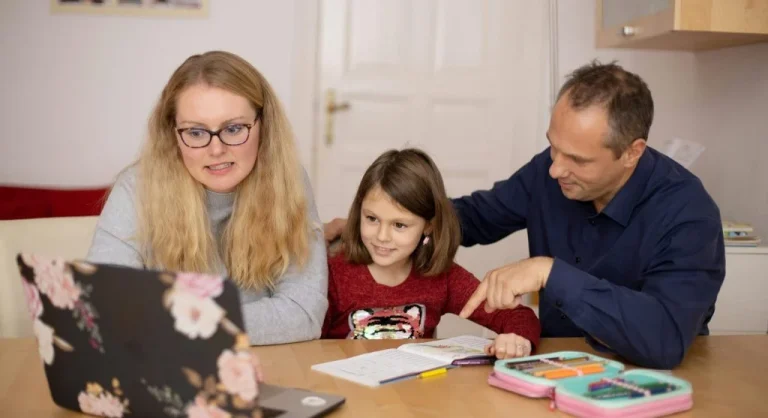
Getting going is frequently the toughest thing about learning at home. Lots of kids don’t want to start, not because they are unable to do the work, but because it feels sudden or a bit overwhelming. A routine they are used to will often make this easier. If a child knows how things normally begin with an activity, shifting into learning won’t seem as upsetting.
This is a big reason why routines are so important for home learning. After a snack, a quick bit of reading or at the same table every afternoon for writing, will become simpler to begin. That’s because the child is familiar with the pattern and now feels safe with it. The routine actually does a lot of work for you before the actual learning even has a chance to start.
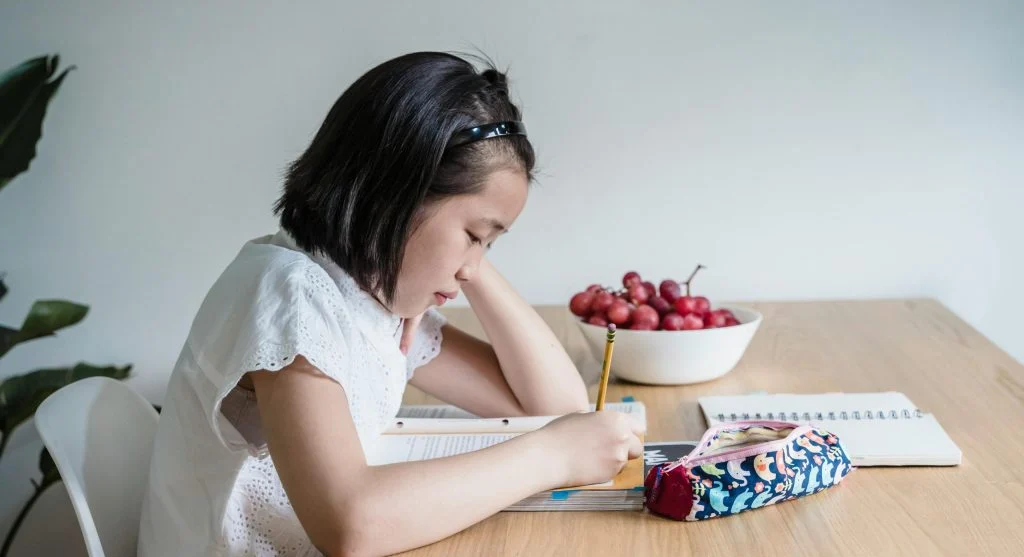
Credit: Annushka Ahuja / Pexels
Familiarity Leaves More Energy for the Skill Itself
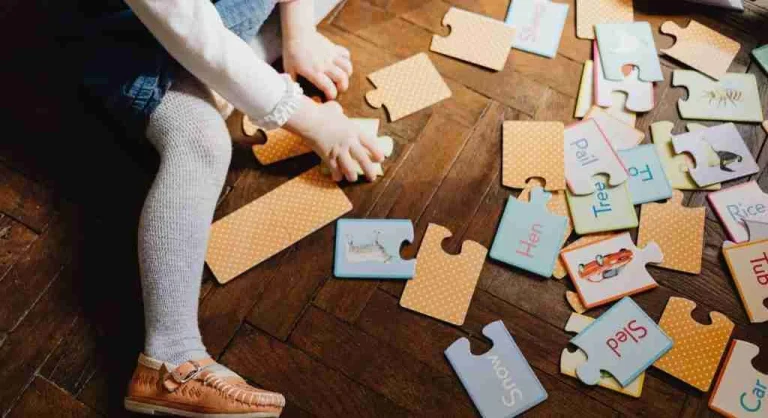
If a child already understands how to do something, they have more of their thinking power left for what they’re actually trying to learn. With letter sounds, reading faster, spelling, or basic math, kids generally do better if the way they’re doing it doesn’t keep altering. They can concentrate on the tricky part of the work itself, rather than always getting used to a completely different method.
How much a child is already thinking about is a key part of learning, as many experts in children’s growth have said. Doing something repeatedly that they are familiar with decreases how much they need to think about the process. They’re still doing the hard work of learning the skill, but it’s not being divided between lots of brand new things at the same time.
Repeated Formats Can Support Confidence
Kids are typically much bolder about things if they’ve faced something similar and can recall how they handled it. This isn’t to say it’s always a simple task. It’s more that they’re far less overwhelmed at the starting point, before they’ve even begun. When the setting for practicing suggests to a child they’re already equipped to start, they are more likely to gain belief in themselves.
Both in school and at home with their families, people emphasize how important self-assurance is, as it impacts how ready they are to have a go. A child anticipating a muddle will tend to sidestep the activity very quickly. But one who understands what’s being asked of them will probably start with more eagerness, and this can make learning both more achievable and much less stressful.

Credit: Kenneth Surillo / Pexels
Familiar Does Not Mean Rigid or Boring
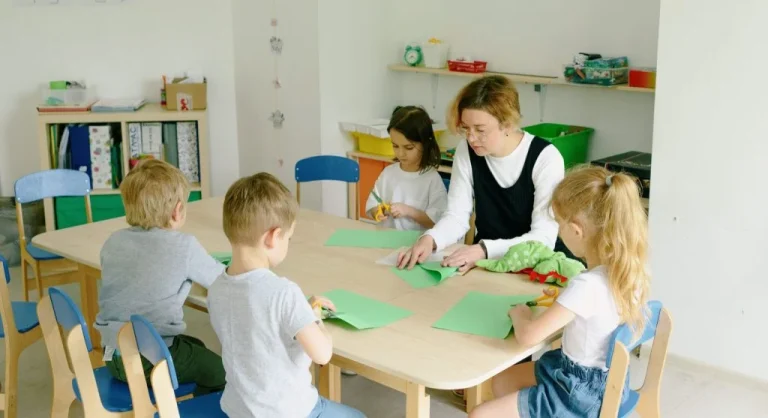
Parents sometimes are concerned a regular thing will be too boring, but doing something a lot doesn’t mean it has to be exactly the same every time. You can still have a routine your child knows, and yet have different books, different things to talk about, different subjects or different materials. The main point is for your child to easily grasp what happens when. That way, the routine will help them, but won’t be too strict.
Experts in how children learn say kids generally thrive with a dependable framework, and a little bit of difference within it. The basic shape of things is what they get to rely on, but the specifics are able to alter enough to make learning interesting. This mix of consistency and change typically helps them to concentrate and also to stay at it.
Children Often Learn Best When the Practice Environment Feels Settled
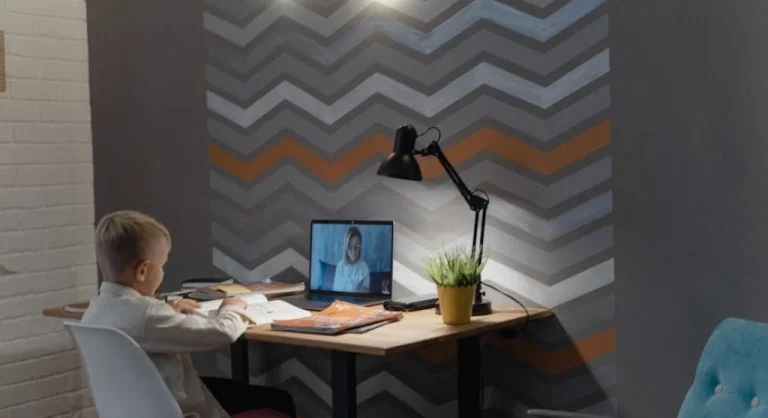
Homework isn’t usually just about the school work itself, but about what your child is experiencing as they do it. Things being predictable, in the same spot, and with expectations they know all help a child feel comfortable. And when they feel comfortable, they generally pay attention more easily, don’t argue as much and are more likely to finish what they start.
Kids often do better on homework if it’s a familiar experience. Being familiar with it cuts down on being confused and makes the learning easier to handle emotionally. In fact, the routine that works best in many families isn’t a complicated one, but one a child knows, can rely on and goes back to repeatedly so the learning can actually sink in.
Key Takeaway
Kids generally do better with their homework when it’s something they’re used to. Being familiar with how to practice gets rid of that unsure feeling, makes it easier on their brains and allows them to start feeling more sure of themselves. When the way they practice is something they already know, they can concentrate on the thing they’re learning to do, on the skill itself, rather than on all the stuff needed to get practicing. And families tend to see improvement happen more quickly when practicing happens regularly enough to be a habit, yet isn’t so rigid it’s boring. More often than not, doing the same sort of learning at home over and over helps a child improve more reliably than if you’re always switching things up.