Why Children Often Learn Better When Home Practice Includes One Clear Stopping Point
Many families spend a lot of time thinking about how to help children get started with home learning, but how a practice session ends can be just as important. Child development and education specialists generally point out that children often learn better when home practice has one clear stopping point. Clear endings can lower stress, protect attention, and help children stay emotionally ready for the work. In many homes, children push back against practice not only because the task feels difficult, but because they are unsure when it will actually be finished.
This matters because not knowing how long learning will last can quietly wear down a child’s motivation. A child may sit down for reading, math, writing, or review already wondering if more pages, more corrections, or extra practice will be added along the way. Education guidance often suggests that children respond more consistently when adults make the session feel contained. Over time, one visible stopping point can help practice feel safer, more manageable, and easier to return to throughout the week.
Children Often Work Better When the Task Feels Limited
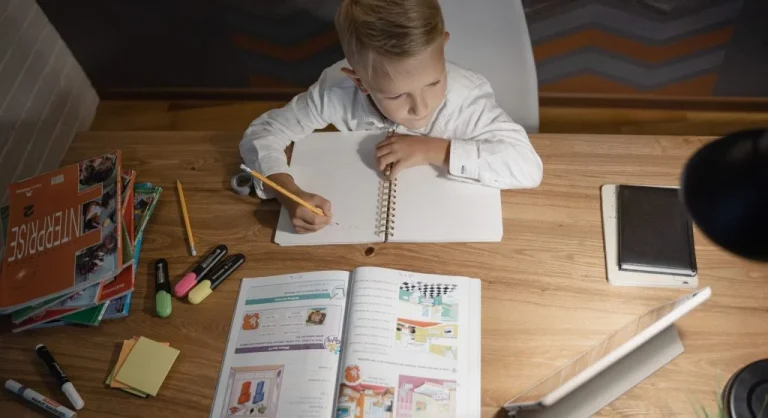
Many children become more willing to cooperate when they know the learning task has a real boundary. A child who hears “we will read this one story” or “we will finish these three questions” often finds it easier to begin than a child who feels the work could continue with no clear end. The mind usually handles effort better when the size of the task can be understood ahead of time.
Education specialists generally note that limited tasks support attention because children do not have to use extra energy wondering how much more is coming. In many homes, this makes practice feel less overwhelming. The child may still need support and effort, but the work no longer feels endless before it has even started.
Unclear Endings Can Turn Practice Into Emotional Guesswork
When adults add more tasks during a session without a clear plan, children may start to feel unsure about what actually counts as finished. A worksheet leads to corrections, corrections lead to extra review, and extra review turns into another short task. Adults may see this as helpful follow-through, but the child may experience it as a session that keeps growing. That uncertainty can quickly lead to resistance.
Child development specialists often note that children manage better when a learning session has shape. Without that shape, the child may become more focused on protecting their energy than on learning. In many homes, an unclear ending increases frustration not because the child dislikes learning altogether, but because the child cannot trust where the work really stops.
Credit: Tima Miroshnichenko / Pexels
Clear Stopping Points Often Protect Attention
Children usually learn best while their attention is still working well, not after it has been pushed too far. A clear stopping point helps because it encourages practice to end before mental fatigue takes over completely. A child can often stay more focused during a contained session than during one that feels longer and unpredictable.
Education experts generally explain that attention is not only about trying harder. It is also about pacing. When a child knows there is one clear end point, it often becomes easier to stay focused through the task. In many families, this leads to better-quality learning because the child remains more mentally present during the session.
Children Often Feel More Successful When They Can Reach the End
Confidence during home practice is closely connected to whether children feel they can complete what is being asked of them. A visible ending supports this because the child can picture reaching it. Finishing one page, one short reading, one review set, or one timed practice period often feels more rewarding than working through a session where the finish line keeps shifting.
Child development specialists generally note that repeated completion matters. Each time a child reaches the clear end of a session, they gain more evidence that effort can lead to a manageable finish. Over time, this can make them more willing to begin again the next day because they trust that the work is something they can truly complete.
Clear Endings Often Reduce Power Struggles Around Extra Work
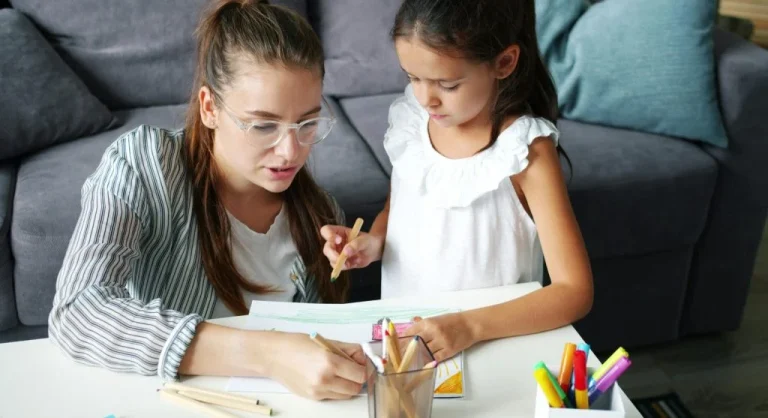
Many home learning conflicts begin when adults add more after the child believed the session was already done. A child may react strongly not only because of the extra task, but because it feels like the agreement changed. This can make the moment feel unfair, especially when the child thought the work had already reached its end.
Family learning specialists often note that children respond more calmly when the adult’s plan is clear from the beginning. This does not mean practice can never be adjusted. It means that frequent surprise extensions can weaken trust in the routine. In many homes, one clear stopping point reduces arguments because the child no longer feels as if the finish line is moving without warning.

Credit: Kamaji Ogino / Pexels
Children Usually Return More Willingly to Practice That Feels Contained
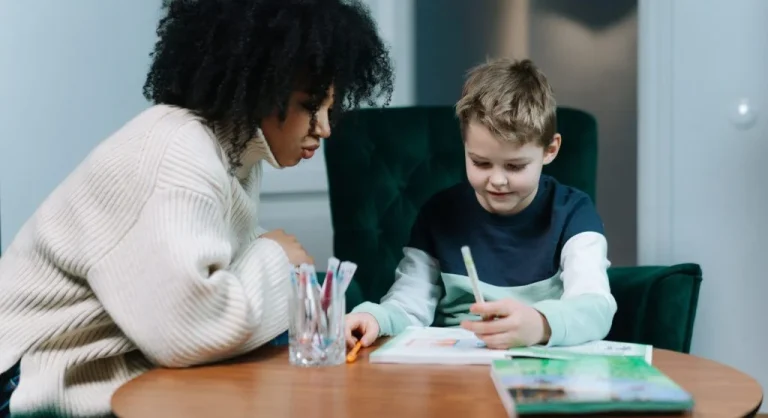
Home learning is rarely about one single session. It works best when families can return to it consistently over time. Children are often more willing to come back to practice when previous sessions ended in a way that felt contained and fair. A child who knows the work usually has a clear boundary may approach the next session with less dread.
Education guidance often notes that sustainable learning routines depend on emotional manageability as much as academic value. A child who repeatedly experiences practice as endless may become more resistant over time. A child who experiences practice as challenging but contained often has a better chance of staying open to regular repetition.
Stopping Points Help Children Separate Effort From Overload
Children need to learn that effort is part of growth, but they also need to learn that effort has structure. A clear stopping point helps teach that balance. The child experiences challenge without feeling consumed by it. This can help children understand that hard work does not mean there are no limits. It means working steadily toward a finish they can see.
Child development specialists generally note that this balance matters for long-term learning attitudes. When children see that adults can provide both challenge and limits at the same time, home practice often feels more trustworthy. In many homes, that trust matters just as much as the content being taught.
One Clear Ending Often Makes Home Learning Easier to Trust
Children often learn better when home practice includes one clear stopping point because clear endings reduce uncertainty, support attention, and make the session feel emotionally safer to enter. A child who knows where the work ends often finds it easier to stay engaged on the way there. This does not mean learning always has to be short or easy. It means the shape of the effort needs to make sense.
In many families, calmer and more effective home practice begins when the session feels like something the child can finish, not something that may keep expanding. Over time, that clarity can help children approach practice with more trust, stronger focus, and less resistance.