
Why Children Often Start Morning Routines More Smoothly When the First Small Step Is Already Finished Before They Wake Up
Mornings often go wrong before the day has even properly begun. A child wakes slowly, wanders, argues, forgets what comes first, or seems upset by simple requests that would feel easy at another time of day. Parents may repeat reminders, increase urgency, and still feel that the routine never fully catches. Parenting specialists generally note that children often start morning routines more smoothly when the first small step is already finished before they wake up because the routine begins with progress instead of with a demand. In many homes, the biggest strain is not the whole morning. It is the heavy feeling of having to start everything from zero while still sleepy.
This matters because morning routines ask children to move quickly from rest into action. They must wake, orient, remember the plan, shift out of bed, and begin a sequence of tasks before their body and attention feel fully ready. Development guidance often suggests that children do better when adults remove one small starting burden ahead of time. Clothes already laid out, socks paired, a toothbrush set in place, lunch box by the door, or breakfast spot prepared can all change the emotional tone of the morning. Over time, this can make the routine feel less like a sudden pile of work and more like a path that is already underway.
Morning Struggles Often Begin With Activation, Not Defiance
Adults sometimes interpret slow mornings as refusal. In many cases, the child is not fighting the routine on purpose. The child is struggling with activation. Waking up, orienting to the room, recalling the sequence, and moving the body into purposeful action can all take time. If the very first step already feels like effort, resistance may show up before the child has fully entered the day.
Child development specialists generally explain that children often need extra support at transition points when the body and mind are shifting states. In many families, the problem is less about attitude and more about how hard it feels to launch into the first task while still half-asleep.
A Finished First Step Makes the Routine Feel Less Heavy
When one small piece is already done, the morning no longer feels like a mountain from the very beginning. The child does not have to assemble the whole day in the first minute. Instead, the child wakes into visible progress. The clothes are ready. The shoes are waiting. The water bottle is already filled. The first moment carries less burden, and that can change the child’s willingness to keep moving.
Family routine experts generally note that children engage better when tasks look manageable at entry. In many homes, one prepared first step works because it changes the message from “start everything now” to “this has already begun.”

Children Often Move More Easily When the Day Looks Started Already
There is a big emotional difference between beginning something and joining something that has begun. Adults feel this too. A child waking into a room where the first step is already prepared often experiences the morning as moving into a routine already in motion. That can reduce hesitation because the child is joining a flow rather than having to create one from nothing.
Development specialists generally explain that visible momentum often makes action easier. In many families, mornings improve because the environment signals that the day is already moving and the child only needs to step into it.
Prepared First Steps Reduce Early Decision Fatigue
Some morning delays come from too many tiny decisions. Which shirt? Where are the socks? What comes first? Do I brush before dressing? Even very small choices can slow children down when they are tired. Finishing one small step before wake-up reduces these early decisions. The child does not need to plan the opening of the routine from scratch.
Parenting specialists generally note that children often cooperate better when adults lower unnecessary choice during high-pressure parts of the day. In many homes, pre-finishing one step reduces friction because the child can act without first organizing the whole moment mentally.
The First Minutes Often Shape the Tone of the Whole Morning
Mornings have a momentum problem. If the first few minutes feel chaotic or heavy, the whole routine can start tipping toward conflict. If the first few minutes feel smoother, later tasks often go better too. One completed step can protect that opening window by lowering the chance that the day starts with confusion, searching, or repeated correction.
Child behavior experts generally explain that children often carry the emotional tone of the opening transition into the next tasks that follow. In many homes, better mornings do not depend on fixing everything at once. They depend on making the beginning slightly easier.
This Approach Often Helps Children Who Drift or Stall
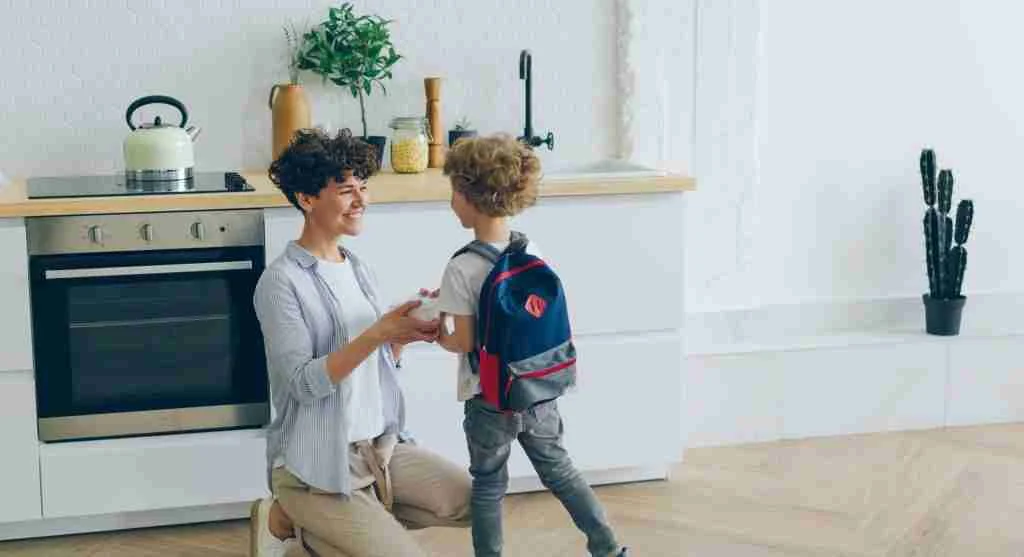
Not all children resist loudly. Some drift. They sit, wander, stare, or begin one task and float away from it. These children often benefit especially from a completed first step because the routine becomes more concrete and less open-ended. The prepared action gives the child a visible starting place and less room to disappear into delay.
Development guidance often suggests that children who struggle with initiation benefit from strong environmental cues. In many homes, a finished first step acts like that cue and helps drifting children move into the routine with less adult chasing.
Parents Often Stay Calmer When They Wake Up One Step Ahead
This strategy helps adults too. Morning stress rises quickly when parents are setting up, locating items, waking children, and managing time all at once. If one small step is already completed before the child wakes, parents begin the morning slightly ahead instead of slightly behind. That often changes tone, pacing, and patience.
Family routine experts generally note that children respond strongly to adult emotional tempo. In many homes, calmer mornings are partly the result of calmer adults who are no longer trying to build the whole routine under pressure while the child is still waking.
This Works Because Small Prepared Steps Feel Reachable
The key is not making the whole morning perfect. It is making the very first move feel easier. A completed first step gives the child a reachable path into the next step. Once dressed, it is easier to brush teeth. Once shoes are waiting, it is easier to leave the room. Once the breakfast place is ready, it is easier to sit down. The routine grows from one lowered barrier.
Child development specialists generally explain that children often need help with threshold moments more than with the whole sequence. In many families, one finished first step matters because it lowers the hardest threshold of all: beginning.

This Does Not Mean Children Should Never Do Tasks Independently
Some adults worry that preparing the first step removes responsibility. Often the opposite happens. A child who can get traction more easily at the start may complete the rest of the routine more independently than a child who melts down before the first move. Support at the opening can protect independence later in the sequence.
Development specialists generally note that independence often grows from well-designed routines, not from making every moment equally hard. In many homes, pre-finishing one small step helps children do more for themselves because they are no longer blocked at the beginning.
Over Time, Children May Internalize the Sense of Starting Small
Repeated mornings like this can teach a larger lesson. Children begin learning that hard routines become easier when the first barrier is lowered. That is a valuable pattern far beyond waking up. It supports homework, cleanup, getting ready, and other daily transitions. What starts as parent preparation can slowly become the child’s own way of approaching effort.
Parenting specialists generally explain that routines teach thinking habits as much as practical habits. In many families, this kind of morning design helps children build an inner sense that starting small is a real and useful strategy.
Why Children Often Start Morning Routines More Smoothly
Children often start morning routines more smoothly when the first small step is already finished before they wake up because the day feels less heavy, less uncertain, and easier to enter. The child wakes into progress instead of into a wall of demands. That often lowers resistance, reduces drifting, and helps the routine gain momentum faster.
In many homes, calmer mornings do not begin with more reminders. They begin with better preparation. Over time, one small completed first step can make the whole morning feel more manageable for both children and parents.
FAQ
What counts as a finished first small step in the morning?
Simple examples include clothes laid out, socks paired, lunch by the door, breakfast items ready, or a toothbrush and towel set in place before the child wakes.
Why does one small prepared step make such a difference?
Because it reduces the mental and physical effort needed to begin the routine, which is often the hardest part for children in the morning.
Does this only help younger children?
No. Younger children may show the effect more clearly, but older children who struggle with morning initiation can benefit too.
Will this solve all morning routine problems?
Not always, but it often removes one major point of friction and helps the rest of the routine start with better momentum.
Internal Linking Suggestions
Link this article to posts about school-morning organization, smoother daily routines for kids, reducing family stress before school, bedtime preparation for easier mornings, and practical home systems that support children’s independence.
Key Takeaway
Children often start morning routines more smoothly when the first small step is already finished before they wake up because the day feels started instead of heavy. A prepared opening lowers the effort needed to begin and helps children move into the routine with less resistance and less drift. Families often improve stressful mornings not by pushing harder, but by making the first barrier smaller. Over time, this simple habit can help mornings feel calmer, clearer, and easier for everyone at home.