
Why Children Often Leave a Shared Screen More Calmly When the Next Real-World Item Is Placed in Their Hands Before the Device Leaves Them
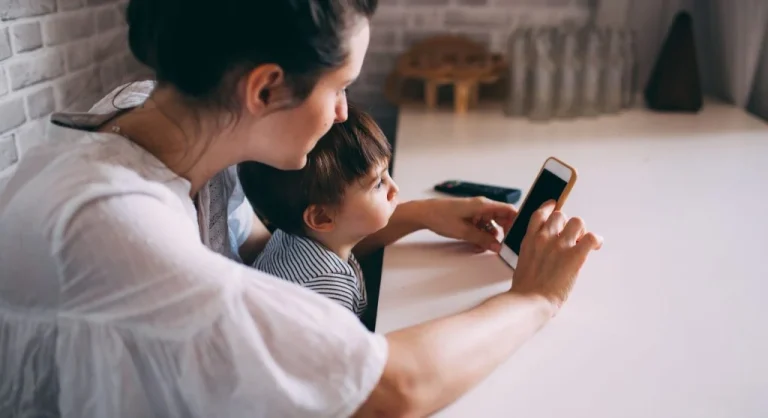
Shared screen endings often become difficult in one exact moment: the second the device leaves the child’s hands and nothing has yet replaced the experience. A tablet, phone, or shared laptop can feel like a full little world while it is being used, and when that world disappears suddenly, protest can rise fast. Family media specialists generally note that children often leave a shared screen more calmly when the next real-world item is placed in their hands before the device leaves them because the transition becomes a handoff between two experiences rather than a drop into emptiness. In many homes, the strongest upset is not only about losing the screen. It is about the child having no immediate place for attention, hands, or expectation to go next.
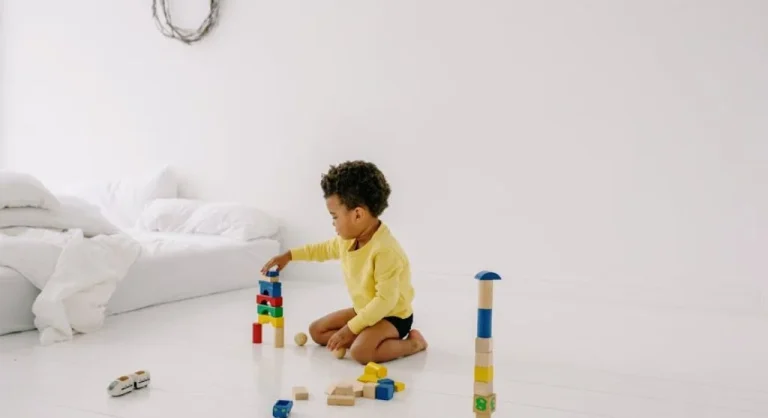
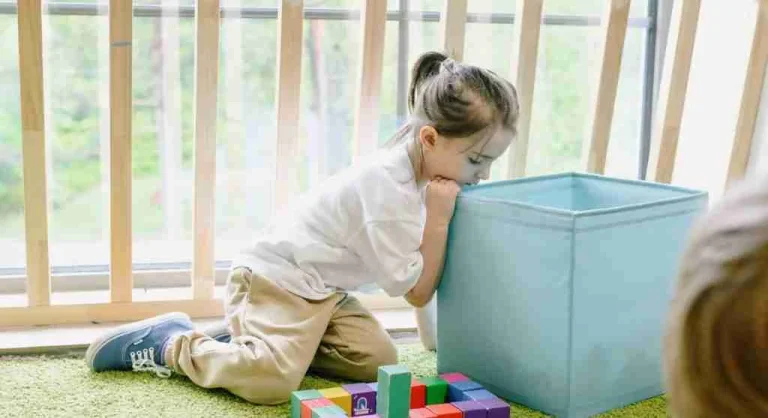
This matters because children usually handle transitions better when the next step becomes physically real before the previous one is fully removed. Development guidance often suggests that a small next object a book, snack bowl, water bottle, stuffed animal, art item, shoes, toothbrush, puzzle piece, or family note card can act like a bridge out of screen time. Over time, this can reduce conflict because the child is not being asked to release one focused activity without something clear to receive instead.
Screen Endings Often Feel Hardest in the Gap Between Activities
Adults sometimes assume the child is mainly attached to the device itself. Often, the child is also reacting to the sudden empty gap created when one absorbing activity ends and the next has not yet become tangible. The device leaves, but the child’s body and attention have not landed anywhere else yet. That in-between moment can feel surprisingly uncomfortable.
Child development specialists generally explain that transitions are often hardest not because children hate change in theory, but because the middle space between one state and another feels undefined. In many families, shared screen struggles grow strongest in that undefined space.
A New Object Gives the Hands Somewhere Immediate to Go
Shared screens are very hand-centered. Children tap, swipe, hold, press, and grip. When the device is taken back, the hands can feel suddenly idle in a way that keeps the child mentally reaching after the screen. Placing a new real-world item in the child’s hands before the device leaves can soften that pull. The body now has something else to hold and orient around.
Family routine experts generally note that children often regulate better when transitions are supported physically as well as verbally. In many homes, a new item helps because the child is not going from contact to no contact. The hands stay engaged, just with something different.

Children Often Transition Better When Attention Is Redirected, Not Left Hanging
Attention does not always switch off neatly just because a parent says time is up. If nothing visible is ready to receive it, attention may continue pulling back toward the device. A next item creates a new target. The child can look at it, touch it, ask about it, use it, or carry it. That helps attention start attaching somewhere else before the digital experience fully disappears.
Development specialists generally explain that young children often need attention to be redirected into something concrete rather than simply told to stop. In many families, the next item works because it gives the mind a more immediate landing place.
The Handoff Feels Less Like Pure Removal
When a device is simply taken back, the moment can feel one-sided. The child loses something, and the adult gains control. That shape can make the transition feel emotionally sharp. When the parent first offers the child something to hold or do, the interaction becomes less about removal alone. The child is not only giving something up. The child is also receiving the next piece of the routine.
Parenting specialists generally note that children resist less when transitions feel shaped as movement into something rather than only loss of something. In many homes, this changes the tone of the ending right away.
A Concrete Next Item Makes the Next Routine Step Easier to Understand
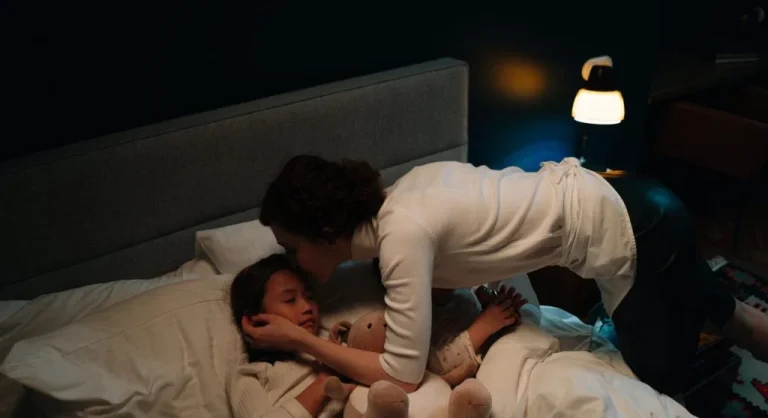
Many families move from screen time into another daily task: snack, bath, homework, reading, cleanup, leaving the house, bedtime, or quiet play. If the next item belongs clearly to that next task, the child can understand the sequence more easily. A toothbrush signals bedtime care. A shoe signals leaving. A crayon signals drawing. A cup signals snack. The transition stops being abstract.
Child behavior experts generally note that children cooperate more when the next step is represented clearly in the environment. In many homes, the object helps not just because it distracts, but because it explains.
Children Often Ask Less for the Device Back When the Next Action Starts Immediately
Repeated requests for the screen often happen when the child is still mentally lingering in the just-ended activity. If the next action begins quickly and physically, those requests often lose strength. The child may still wish for more time, but the body is already starting something else. That momentum matters because it interrupts the repeated reach back toward the device.
Development guidance often suggests that children return less to a preferred activity when the next one is already underway in concrete form. In many families, the item-in-hand routine shortens the after-screen negotiation because the child has already crossed part of the bridge.
This Often Helps Shared Devices More Than Personal Screens
Shared devices create a special kind of ending because the device usually goes fully out of the child’s possession. That can make the loss feel more complete than simply putting down a toy that remains nearby. A real-world item in hand helps offset that full separation. The child still loses the device, but the body does not experience only absence in the same instant.
Family communication specialists generally note that shared-device transitions often benefit from extra visible structure because ownership and access shift more sharply. In many homes, this method works especially well for family tablets or a parent’s phone used by the child for a short time.
The Best Transition Item Is Usually Small, Clear, and Immediate
The item does not need to be exciting in a huge way. In fact, very complicated replacements can sometimes create new problems. The best transition item is often something small, easy to hold, and clearly connected to the next part of the day. It may be a favorite book before rest time, socks before leaving, a water bottle after a video, or a marker before drawing begins. What matters most is immediacy and clarity.
Parenting specialists generally note that children respond best to transition supports that are simple enough to use consistently. In many homes, the routine works because the next object is always available and easy to understand.

This Approach Helps Parents Stay Calmer Too
Screen endings often become tense because adults are trying to remove the device, manage the child’s reaction, and begin the next routine all at once. A prepared next item simplifies that moment. The parent now has a physical script: offer the item, receive the device, move on. That can reduce improvisation and make the adult sound steadier.
Family routine experts generally explain that children handle limits better when adults use repeatable patterns rather than reactive last-second moves. In many families, the next-item approach improves not only child response but also adult consistency.
This Does Not Mean Children Stop Feeling Disappointed
Children may still wish the screen session were longer. The goal is not to erase all disappointment. The goal is to make the transition more workable by shaping what happens in the handoff itself. A child can still feel disappointed while also moving into the next activity more calmly than before.
Child development specialists generally note that successful routines do not need to remove all feeling in order to help. In many homes, the real improvement is that disappointment no longer automatically turns into a drawn-out struggle.
Over Time, the Next Item Can Become Part of the Child’s Internal Screen-Ending Map
When the same pattern is repeated, many children begin recognizing it in advance. The book appears, the device goes back. The toothbrush arrives, tablet time is done. The snack cup comes over, the phone leaves. These repeated pairings can become powerful cues. The child starts learning what happens next before the final handoff even occurs.
Development specialists generally explain that children internalize daily routines through repeated physical patterns. In many families, the next item becomes part of the child’s own screen-ending map and helps make digital transitions feel more familiar and less abrupt over time.
Why Children Often Leave a Shared Screen More Calmly
Children often leave a shared screen more calmly when the next real-world item is placed in their hands before the device leaves them because the transition becomes a guided exchange instead of a sudden loss. The hands, eyes, and attention all receive somewhere new to go before the screen fully disappears. That often makes the handoff feel less empty, less sharp, and easier to accept.
In many families, calmer screen endings do not come only from stronger rules. They come from better bridges between activities. Over time, one small habit of placing the next real-world item in the child’s hands can reduce conflict, support smoother routines, and make shared-screen transitions easier for everyone at home.
FAQ
Why does handing a child another object help with screen-time endings?
Because it gives the child’s hands and attention an immediate new focus before the device is fully removed, which often makes the transition feel less abrupt.
What kinds of items work best?
Usually simple items connected to the next routine step, such as a book, shoes, a toothbrush, a snack cup, a stuffed animal, or drawing supplies.
Does this work only for tablets?
No. It can help with phones, tablets, or other shared screens when the handoff itself is the hardest part of the transition.
Will this stop all protests when screen time ends?
Not always, but it often reduces the emotional intensity of the handoff by giving the child a concrete next place for attention and action.
Internal Linking Suggestions
Link this article to posts about ending screen time calmly, shared device routines at home, healthy digital habits for children, helping kids transition between activities, and reducing repeated asking after preferred activities.
Key Takeaway
Children often leave a shared screen more calmly when the next real-world item is placed in their hands before the device leaves them because the transition feels like a guided exchange instead of a sudden removal. A simple next object can give hands, attention, and expectation somewhere clear to go. Families often improve difficult screen handoffs not only through rules, but through better transition design. Over time, this small routine can make shared-screen endings calmer and easier to manage at home.