Why Children Often Follow Worksheet Directions Better When They Circle the Action Word Before They Begin
Many children make mistakes on worksheets before they even reach the academic part of the task. They may know the answer, recognize the picture, or understand the topic, yet still complete the page the wrong way because they missed what the direction was asking them to do. A child may color instead of circle, write instead of match, or underline instead of cut. Education specialists generally note that children often follow worksheet directions better when they circle the action word before they begin because the page becomes clearer and the task becomes easier to hold in mind. In many homes, the problem is not a lack of ability. The problem is that the instruction stays too slippery to guide the first move.
This matters because worksheets often require children to manage several things at once. They must read or hear the direction, understand the academic content, notice the format of the page, and then begin correctly. Development guidance often suggests that children do better when the central job on the page becomes visually obvious before the work starts. Over time, circling the action word can reduce careless errors, improve confidence, and help children build stronger independent work habits at home.
Many Worksheet Mistakes Start With the Direction, Not the Learning
Adults often look at a finished worksheet and focus on whether the answers are right or wrong. Children often get off track earlier than that. They may misunderstand what kind of response the page wanted in the first place. A child can know the correct word but put it in the wrong place. A child can understand the picture but respond with the wrong action. This creates the frustrating situation where the child knows more than the worksheet result shows.
Child development specialists generally explain that instruction-following is its own skill. In many families, children struggle with worksheets not because they do not understand the lesson, but because they did not anchor themselves clearly enough to the direction at the top of the page.
The Action Word Often Carries the Real Job of the Worksheet
Many worksheet directions contain one word that tells the child exactly what kind of action is required. Words such as circle, write, draw, color, match, cut, trace, underline, or count carry most of the functional meaning. If that word is missed, the child may still read the rest of the sentence without fully understanding what to do. The page becomes less of a clear task and more of a guess.
Family learning experts generally note that children often benefit when adults make the main action of a task visually prominent. In many homes, circling the action word helps because it turns the page’s hidden demand into something the child can see instantly.

Circling the Action Word Turns Reading Into Preparation
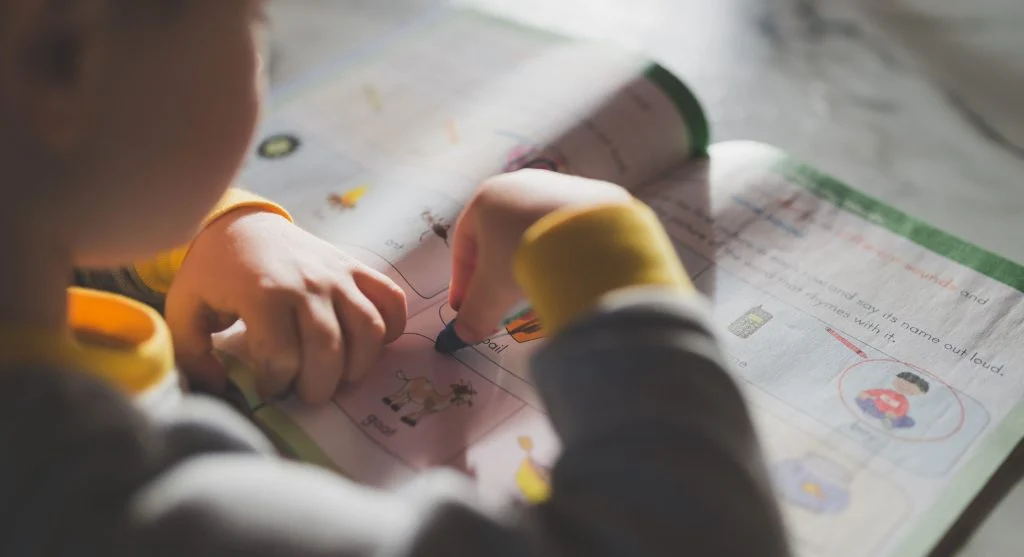
Sometimes children read worksheet directions passively. Their eyes move across the sentence, but the instruction does not settle into a usable plan. Circling the action word changes that. The child is no longer only reading. The child is preparing. The page now asks for one clear task, and the child has marked it physically.
Development specialists generally explain that children remember directions more reliably when they interact with them instead of only hearing or glancing at them. In many homes, this small act of circling helps because it slows the child down just enough to actually absorb the instruction.
Children Often Start More Accurately When the First Step Is Obvious
A large part of worksheet success depends on the first move. If the child begins correctly, the rest of the page often goes more smoothly. If the first move is wrong, confusion spreads quickly. Circling the action word makes the first move much easier to picture. The child knows what kind of response belongs on the page before touching the actual problems below.
Education specialists generally note that many early-learning mistakes come from unclear starts rather than weak understanding. In many families, worksheet frustration falls once the child can identify the page’s action before beginning the answers.
This Strategy Can Reduce Rushing
Some children rush through worksheets because the page looks familiar and they want to get started immediately. They may assume they know what to do from the pictures or the general layout. That quick confidence can lead to avoidable mistakes if the direction asks for something slightly different than expected. Circling the action word creates a built-in pause. It encourages the child to check the page before acting on first impulse.
Child behavior experts generally explain that children often benefit from tiny routines that slow down careless momentum. In many homes, this works well because the circling step is short enough not to feel heavy, yet strong enough to interrupt guesswork.

Children Often Feel Less Overwhelmed When the Job Is Named Clearly
Worksheets can feel crowded and demanding, especially for children who already find paper tasks tiring. Pictures, boxes, lines, letters, and symbols may all compete for attention at once. A circled action word creates a center. It tells the child what this page is really asking. That clarity can reduce the feeling that the page is one large confusing object.
Development guidance often suggests that children engage better when tasks are simplified into one visible purpose. In many homes, worksheet resistance softens because the child no longer has to discover the job through trial and error. The job is already marked.
This Habit Helps Children Separate Content From Task Type
Young learners often blend two different challenges together: understanding the academic material and understanding what kind of response the page wants. A child may know the numbers but forget whether to count, color, or connect. Circling the action word helps separate those layers. The child first understands the task type, then applies the content knowledge within that structure.
Family learning specialists generally note that academic confidence often grows when adults untangle multi-layered demands. In many homes, children work more successfully once they realize that knowing the lesson and knowing the page action are two separate parts of the task.
It Can Support Independence Over Time
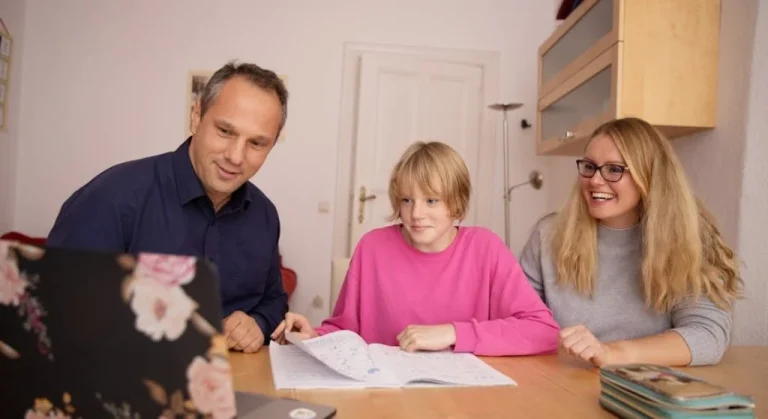
At first, children may need adults to guide them toward the action word. A parent might say, “Find the word that tells what to do.” Over time, many children begin scanning for it on their own. They learn that every worksheet has a job hidden in the direction and that finding that job first makes the rest easier. What starts as support can gradually turn into an independent study habit.
Child development specialists generally explain that small repeated routines often become larger independent skills later. In many families, this one strategy becomes part of how children learn to enter paper tasks with more control and less confusion.

This Method Can Help With Many Subjects, Not Just Reading
Although it may look like a reading support tool, this strategy works across many school-readiness tasks. Math pages, fine motor sheets, early literacy work, science observation pages, and even art-based worksheets often contain one key action word that determines how the page should be completed. Once children learn to find that word, they can carry the skill into many types of learning.
Education specialists generally note that the best home-learning strategies are often the ones that transfer well between subjects. In many homes, circling the action word becomes useful because it supports any page where the child needs to understand both the instruction and the content.
Parents Often Sound More Helpful When They Guide the Task, Not Just the Correction
This approach helps adults too. Without a routine like this, parents often discover the problem only after the child has already completed part of the page incorrectly. Then the adult must correct, erase, or restart, which can frustrate both sides. When parents help children identify the action word first, the support feels more guiding than correcting.
Parenting experts generally note that children stay calmer when adults help at the point of entry instead of waiting until errors pile up. In many homes, the mood around worksheets improves because the parent is helping the child begin well, not only fixing what went wrong later.
Why Children Often Follow Worksheet Directions Better
Children often follow worksheet directions better when they circle the action word before they begin because the page’s real job becomes visible, memorable, and easier to act on. Instead of vaguely trying to understand the whole instruction, the child marks the one word that tells what kind of work the page requires. That simple visual anchor often reduces careless errors and helps the child start correctly with more confidence.
In many families, better paper-based learning does not begin with harder correction. It begins with a clearer opening step. Over time, helping children identify and circle the action word can improve focus, independence, and success across many kinds of home learning tasks.
FAQ
What is an action word on a worksheet?
It is the word in the direction that tells the child what to do, such as circle, write, match, color, cut, or underline.
Why does circling that word help?
It makes the task more visible and helps the child remember the exact kind of response the worksheet requires before starting.
Can this help older children too?
Yes. Even older children can benefit, especially if they rush, miss directions, or confuse what the page is asking them to do.
Does this only work for reading worksheets?
No. It can help with math, early literacy, fine motor, science, and many other worksheet-based activities where a clear action is required.
Internal Linking Suggestions
Link this article to posts about helping children follow directions, homework habits at home, reducing worksheet mistakes, school readiness skills, and building independent learning routines for young children.
Key Takeaway
Children often follow worksheet directions better when they circle the action word before they begin because the page’s main job becomes clear before any answers are attempted. This small habit can reduce rushing, lower confusion, and help children separate what they know from how they are supposed to show it. Families often see smoother home learning when the instruction is made visible first. Over time, this simple strategy can build stronger focus, more accurate work, and better independent study habits.