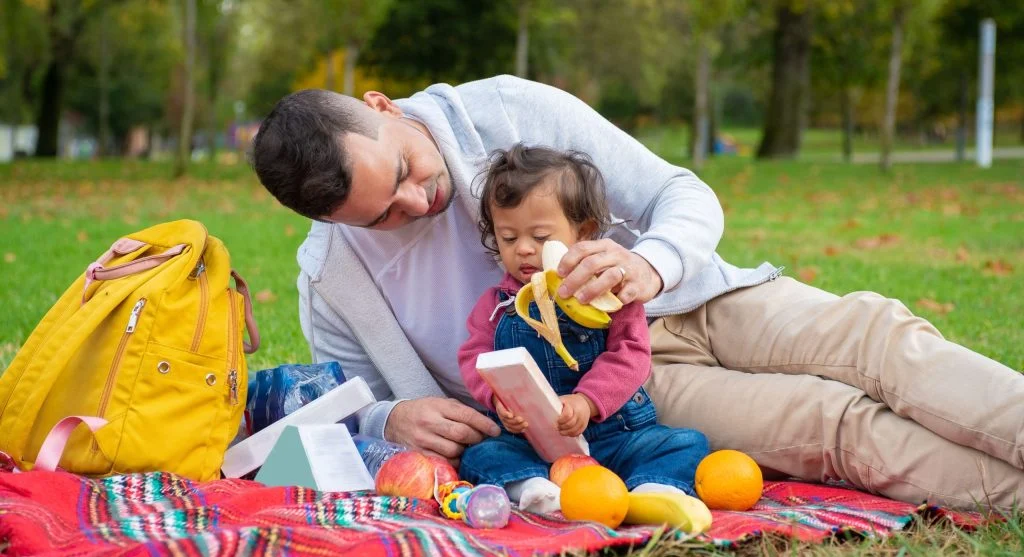
Why Children Often Enjoy Repeated Family Outings More When the Same Snack Is Packed Only for That Trip
Family outings often become cherished childhood memories because they happen again and again, but the details children remember are not always the ones adults expect. Parents may recall the destination, the schedule, the weather, or the route they took. Children, however, are often drawn to much smaller details especially ones they can taste, smell, hold, or look forward to.
Family relationship specialists generally note that children often enjoy recurring family outings even more when the same snack is packed exclusively for that trip. Over time, the snack becomes more than something to eat. It becomes part of the family ritual itself. In many homes, one familiar food quietly signals that a favorite family tradition is about to begin. This matters because children build lasting emotional connections through repeated sensory experiences.
A snack that appears only during visits to the zoo, beach days, Saturday nature walks, monthly drives to grandparents’ homes, or annual park trips can become a powerful reminder of those moments together. Development experts often explain that repeated sensory cues help children organize memories and strengthen feelings of belonging. Eventually, the snack becomes woven into the way the outing feels, not just what happens during it.
Small Details Often Become the Biggest Memories
Adults naturally assume children remember the largest parts of a family outing. While they certainly remember exciting places and activities, children often attach even more meaning to small details that appear every time. A favorite homemade muffin, apple slices, trail mix, crackers, or a particular juice box packed only for one outing can become deeply connected to feelings of excitement, comfort, and family togetherness.
Child development specialists generally explain that repeated sensory experiences help children distinguish special family traditions from everyday routines. In many families, the familiar snack becomes one of the clearest signs that this is not just another errand or another car ride—it is one of the family’s special outings.
A Familiar Snack Builds Excitement Before the Trip Begins
One of the reasons family traditions become so meaningful is anticipation. Children often begin enjoying an outing long before they arrive because familiar preparation rituals have already started. When the same special snack appears only for that particular trip, excitement often begins the moment it is packed.
Family bonding experts generally note that anticipation plays an important role in creating positive childhood memories. In many homes, simply seeing the familiar snack being placed into a bag tells children that the adventure has already begun, even before they leave the house.
Children Often Recognize Traditions Through Their Senses
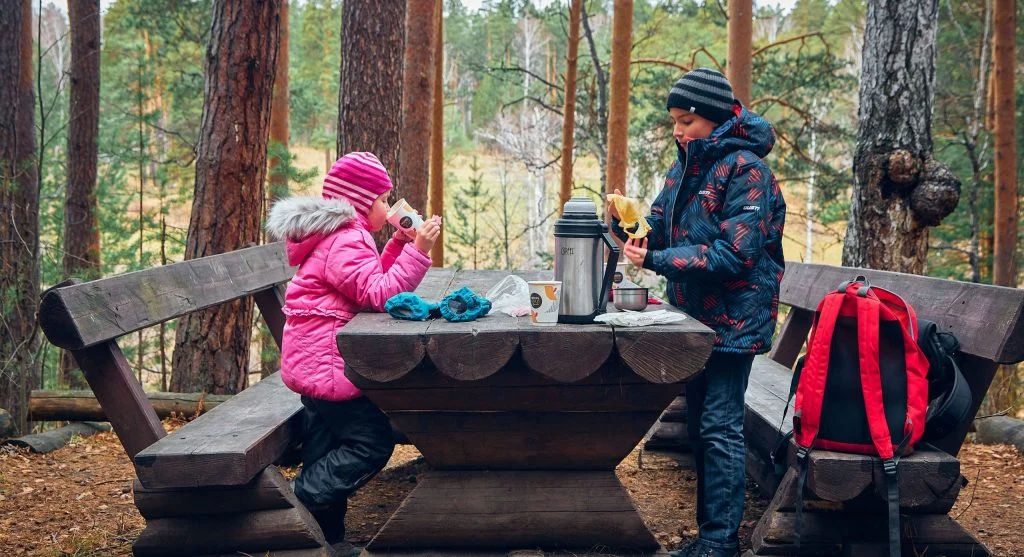
Adults usually understand traditions by thinking about their purpose or meaning. Children, however, often recognize them through patterns they can see, smell, touch, or taste. Rather than thinking, “Our family values spending time together,” a child is more likely to think, “This is the trip where we always bring those apple chips,” or “This is the day with my favorite snack.”
Development specialists generally explain that repeated sensory experiences often become the foundation for how children understand family traditions. In many homes, the taste and smell of one familiar snack become powerful reminders of shared family experiences.
A Familiar Snack Brings Comfort to New Places
Family outings often include unfamiliar environments, long drives, changing schedules, or crowded locations. Carrying one familiar snack into those situations gives children something dependable they can recognize immediately. Even when much of the outing feels new or unpredictable, the snack provides one small piece that remains exactly the same.
Family relationship specialists generally explain that children often feel more secure when familiar routines travel with them. In many homes, the special outing snack quietly becomes an emotional anchor that helps children feel comfortable wherever the family goes.
Taste Can Make Memories Last Longer
Childhood memories often become stronger when several senses are involved. A snack that appears during every outing adds taste and smell to the experience, creating another pathway for memory. Months later, seeing or tasting that same food may immediately remind children of previous family adventures.
Child development experts generally note that sensory memories can be especially powerful during childhood. In many families, one simple food becomes one of the strongest connections children have to treasured family outings.
Small Rituals Can Make Outings Feel More Special
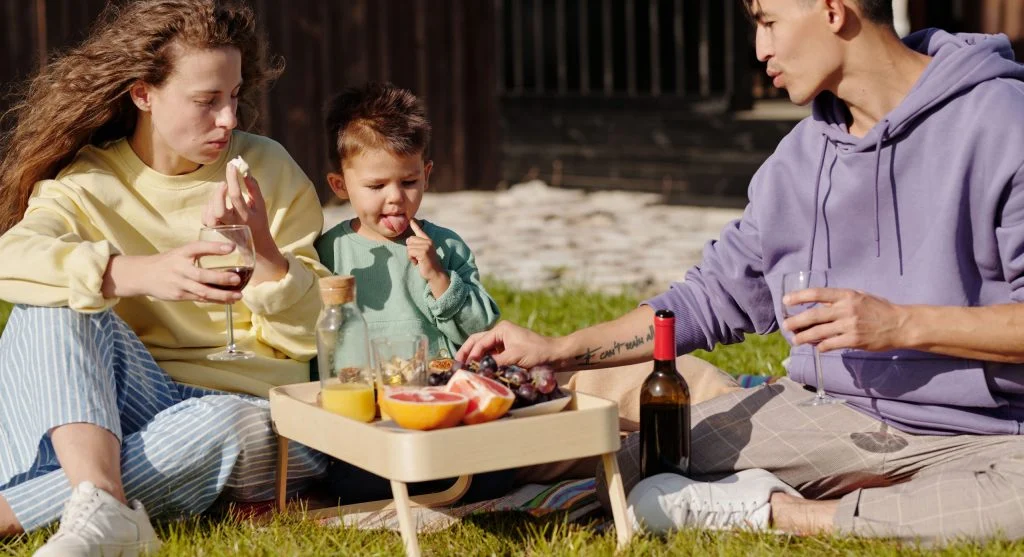
Families do not need expensive activities or elaborate plans to make outings memorable. Sometimes the smallest repeated detail creates the strongest tradition. Packing the same snack every time gives the outing its own unique identity without adding extra work or expense.
Parenting experts generally explain that meaningful family traditions are often built from simple habits repeated consistently over time. In many homes, the reserved snack becomes one of those lasting traditions because it is easy to continue year after year.
Children Feel More Connected When They Help
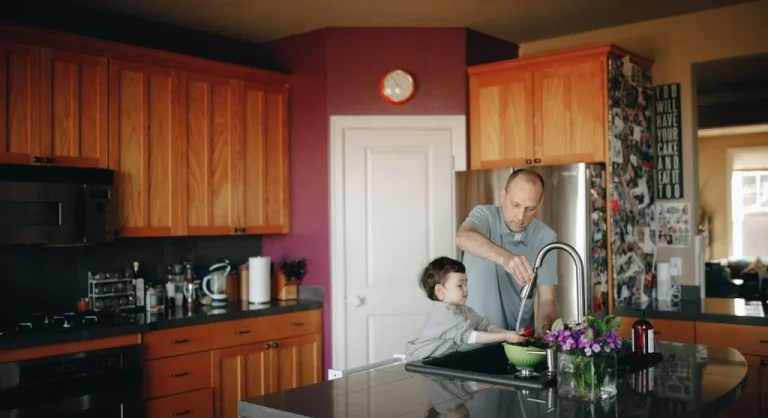
As family outings become regular traditions, many children naturally begin participating in the snack routine. They may remind parents to pack it, help place it in the bag, carry the container, or choose where it belongs during the trip. Those small responsibilities help children feel like active participants instead of simply passengers along for the ride.
Family bonding specialists generally note that giving children a small role in family rituals strengthens their sense of belonging. In many homes, helping with the outing snack becomes part of what makes the tradition feel like theirs too.
Saving the Snack for One Outing Keeps It Special
Part of what gives the snack its emotional value is its exclusivity. If it becomes an everyday food, the strong connection to the outing naturally becomes weaker. When children only see that snack during one specific family activity, it continues to point directly toward that shared experience.
Development guidance often suggests that repeated cues become most meaningful when they remain connected to one consistent purpose. In many families, limiting the snack to a single outing helps preserve its emotional significance year after year.
The Meaning Grows Through Repetition
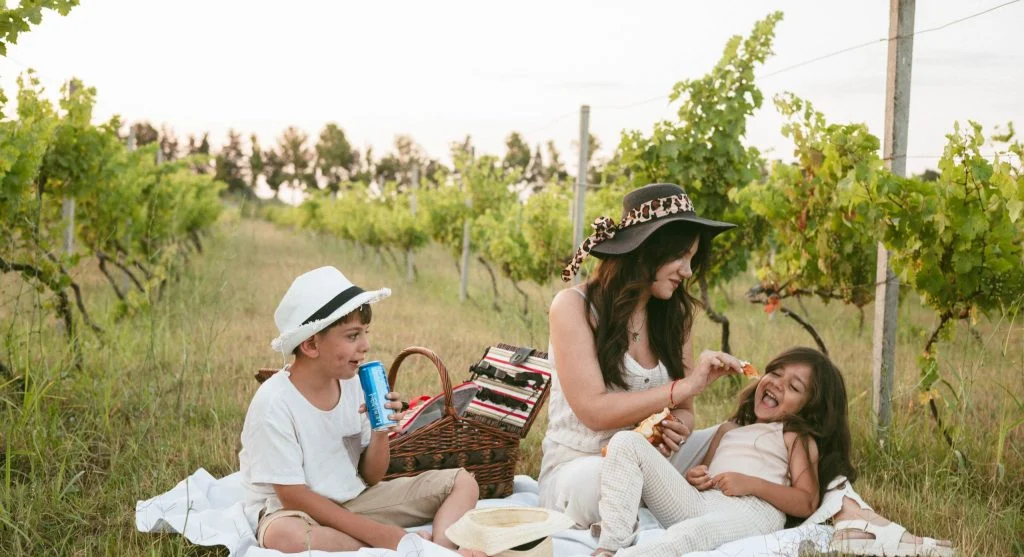
At first, the snack may seem like a simple practical choice. Its emotional importance develops gradually as the tradition repeats. Every outing adds another positive memory until the food begins representing much more than its flavor. It comes to symbolize family closeness, adventure, comfort, and shared experiences.
Family relationship experts generally explain that many traditions become meaningful through repetition rather than one extraordinary event. In many homes, the special snack becomes a quiet symbol of family continuity simply because it keeps appearing during happy moments together.
Consistency Matters More Than Choosing the Perfect Snack
Families do not need to search for a unique or expensive food. The most effective choice is usually something simple that can be packed consistently and reserved only for that outing. Its value comes from repetition, not novelty.
Parenting specialists generally note that consistency is what gives small family rituals lasting emotional power. In many homes, the best outing snack is simply the one that reliably appears every time until children can no longer separate it from the family tradition itself.
Why Children Often Enjoy Repeated Family Outings More
Children often enjoy repeated family outings more when the same snack is packed only for those trips because it becomes a familiar sensory reminder of togetherness, excitement, and belonging. The snack helps distinguish the outing from everyday life while giving children something comforting and predictable they can recognize immediately. Although the food itself is simple, the memories connected to it often become deeply meaningful.
In many families, lasting traditions are not built through bigger events or more elaborate plans. They grow from small, familiar details that appear again and again. Over time, one special outing-only snack can become a treasured part of how children remember, recognize, and value family time together.
FAQ
Why would one snack make a family outing feel more special?
Because repeated sensory details help children recognize traditions and attach positive memories to them more strongly.
Does the snack need to be unusual or expensive?
No. The emotional value usually comes from consistency and exclusivity, not from cost or novelty.
Should the snack be used only for one type of outing?
That often helps. A clear one-to-one association makes the ritual stronger and easier for children to recognize.
Can children help pack the special snack?
Yes. Helping pack or carry it can make the outing feel even more personal and memorable to the child.
Internal Linking Suggestions
Link this article to posts about simple family traditions, outdoor family activities, making family outings memorable, sensory memory in children, and easy ways to build stronger family rituals.
Key Takeaway
Children often enjoy repeated family outings more when the same snack is packed exclusively for those trips because repeated sensory experiences help create stronger memories, greater anticipation, and a deeper sense of family connection. A simple outing-only snack becomes a familiar signal that something special is about to happen, helping children recognize and treasure the tradition over time. Often, the most meaningful family rituals are built not through elaborate plans but through small, consistent details that children remember for years.