
Why Children Often End Video Calls More Calmly When the Goodbye Ritual Starts Before the Call Ends
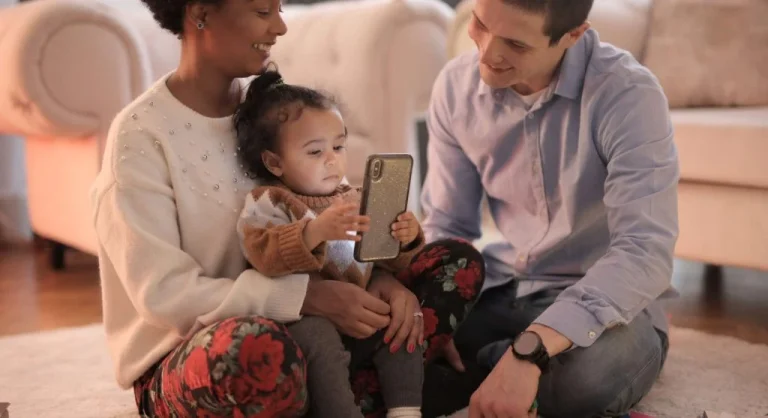
Video calls often feel very different from other forms of screen time. A child is not simply watching a show or playing a game. They are actively interacting with a grandparent, cousin, friend, or another important person. Because of that emotional connection, ending the call can be surprisingly difficult.
Family media specialists generally note that children often handle video call endings more calmly when a goodbye ritual begins before the call actually ends. This gives the transition a more gradual and emotionally complete feel. In many homes, the challenge is not pressing the end button itself. The difficult part is losing a live social connection too suddenly, without enough time to ease out of it.
This matters because children often experience video calls as genuine social presence. Even though the interaction happens through a screen, the child may feel fully engaged in conversation, play, laughter, or attention. Development experts frequently suggest that children manage digital transitions more successfully when the ending has some structure. A simple routine such as waving, sharing one final thought, showing one last drawing, blowing kisses, or counting down to goodbye can help children prepare emotionally for the separation.
Over time, these rituals can make family video calls feel warmer and more comfortable at the end rather than abrupt or upsetting.
Why Video Call Endings Feel More Emotional Than Other Screen Endings
Many children can stop watching a cartoon or pause a game with relatively little difficulty. Video calls often feel different because they involve relationships rather than entertainment alone. A child may be showing a favorite toy, telling a story, receiving encouragement, or laughing with someone they care about. When the call ends suddenly, they are not simply leaving an activity—they are losing a live social interaction.
Child development specialists generally explain that children often react more strongly to endings connected to attachment and relationships. In many families, the distress comes not from losing access to a device but from suddenly losing access to a person. Understanding that difference can help families create more supportive digital routines.
Children Often Need a Social Ending, Not Just a Technical One
Adults frequently approach video calls from a practical perspective. The call is over, the screen closes, and everyone moves on. Children often need something more relational. They may benefit from a final interaction that helps the connection feel paused rather than abruptly interrupted. A goodbye ritual provides that bridge. It signals that the conversation is winding down naturally rather than ending without warning.
Family communication experts often note that children transition more smoothly when relationships have familiar closing patterns. In many homes, repeated goodbye routines help children understand that calls do not end unexpectedly—they move through a recognizable final stage first.

Goodbye Rituals Give Children Time to Adjust Emotionally
One reason goodbye rituals are so effective is that they slow the transition just enough for children to process it. Instead of moving directly from active conversation to silence, the emotional intensity decreases gradually.
For example, a child might:
- Hear that there are two minutes left
- Share one final story or drawing
- Wave goodbye
- Say a familiar farewell phrase
- End the call
This sequence allows the child to move from connection to separation with more support. Development specialists often explain that children benefit from help crossing emotional transitions. In many families, a structured goodbye turns an abrupt ending into a manageable process.
Why Children Often Ask for “One More Minute”
Many parents hear the same request at the end of video calls: one more joke, one more story, one more thing to show. While this can sometimes be a delay tactic, it often reflects something deeper. The child may not feel emotionally finished with the interaction.
Child behavior specialists generally note that children resist endings less when those endings feel complete. In many homes, goodbye rituals reduce bargaining because they provide the closure children are seeking. Instead of trying to squeeze in one last moment, the child experiences an ending that already feels meaningful.
Rituals Can Make Distance Feel More Predictable
Video calls are often important because families are separated by distance. Grandparents may live in another city, a parent may be traveling, or relatives may connect across countries. For children, these distances can already feel complicated and emotional. A repeated goodbye ritual helps make one part of that separation predictable.
The child may not control when the next call will happen, but they can trust how this one will end. Family relationship specialists often explain that predictable rituals support emotional security. In many families, familiar goodbyes help children feel more stable during periods of separation.

Simple and Repeatable Rituals Often Work Best
A goodbye ritual does not need to be elaborate. What matters most is that it is recognizable and consistent.
Examples include:
- Showing one final item
- Giving a big wave
- Saying a favorite goodbye phrase
- Blowing kisses
- Singing a short farewell line
- Counting down together
Family media specialists generally note that children respond especially well to rituals they can anticipate and recognize. In many homes, the power comes from repetition rather than complexity. Over time, the ritual itself becomes comforting because it signals a safe and familiar ending.
This Approach Can Help Children of Different Ages
Younger children may benefit from playful rituals involving gestures, songs, or repeated phrases. Older children may not need anything quite as visible, but they often still appreciate a predictable closing pattern. Even something simple such as “one last update, then goodbye” can make the ending feel more respectful and less abrupt.
Development experts frequently suggest that closure remains important across ages. The form may change, but the need for a clear transition often remains. In many families, goodbye rituals naturally evolve as children grow.
Parents Often Feel Less Stress When the Ending Is Structured
Video call endings can be difficult for adults as well. Parents often feel caught between maintaining family relationships and keeping the household schedule moving. A goodbye ritual reduces some of this pressure because the family already knows what the final minutes should look like.
Instead of negotiating the ending from scratch every time, parents can guide the call through a familiar process. Parenting specialists generally note that children respond better when adults sound calm and confident rather than rushed or uncertain. In many homes, structured endings help create that steadiness.
Goodbye Rituals Can Improve the Next Transition Too
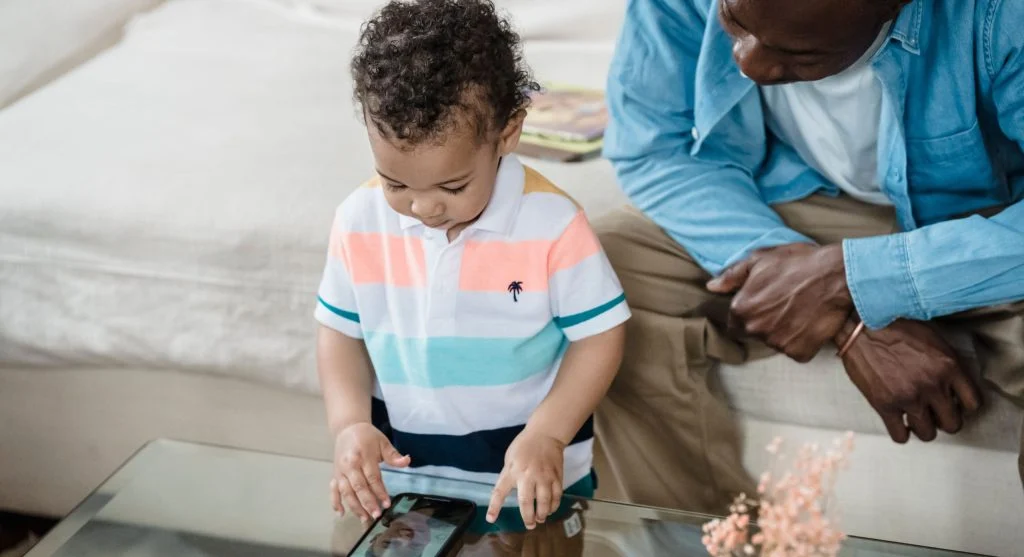
The end of the call is only one part of the process. Children still need to move into the next activity, whether that is dinner, homework, bath time, bedtime, or free play. When the call ends with a predictable ritual, children often enter the next activity in a more regulated emotional state.
The screen did not simply switch off. The relationship had a proper ending, making it easier to move forward. Family routine experts frequently note that transitions work better when activities conclude with emotional clarity.
Repeated Endings Help Build Emotional Security
One of the most valuable aspects of a goodbye ritual is that it teaches children that relationships can have dependable patterns. Calls begin in familiar ways and end in familiar ways. This consistency helps children feel secure because connection follows a predictable rhythm rather than disappearing unexpectedly.
Child development specialists often explain that reliable relationship patterns strengthen trust. In many families, repeated video call rituals help children feel that digital connections still follow the same caring social rules as face-to-face interactions.
Why Children Often End Video Calls More Calmly
Children frequently handle video call endings more successfully when the goodbye ritual begins before the call ends because the transition becomes gradual, social, and emotionally supportive rather than sudden and technical. A familiar closing pattern gives children time to adjust, creates a sense of completion, and helps them move more comfortably into the next part of their day.
In many families, healthy digital habits are not only about limiting screen use. They are also about creating thoughtful endings. Over time, a simple goodbye ritual can make video calls easier to leave and more comforting to remember.
FAQ
What is a goodbye ritual for a video call?
It is a small repeated closing pattern before the call ends, such as a final wave, one goodbye phrase, one last thing to show, or a short repeated farewell.
Why are video call endings harder than other screen endings?
Because children often feel socially connected to the person on the screen, so the ending involves separation from a relationship, not only from a device.
Does the ritual need to be long?
No. It usually works best when it is simple, familiar, and easy to repeat at the end of each call.
Can this help if my child cries after calls with grandparents?
Yes. It may help because the ritual makes the ending feel more gradual and complete, which can reduce the emotional shock of separation.
Internal Linking Suggestions
Link this article to posts about screen time transitions, healthy digital habits for families, helping children manage separation, family connection across distance, and calming difficult daily transitions at home.
Key Takeaway
Children often end video calls more calmly when the goodbye ritual starts before the call ends because the transition feels gradual, social, and emotionally complete. A simple, repeated closing routine can reduce the shock of separation, support smoother transitions into the next activity, and make digital relationships feel more secure. In many families, thoughtful endings are just as important as meaningful conversations. Over time, one small goodbye ritual can make video calls easier to leave and more comforting overall.