
Why Children Often Follow Writing Practice More Easily When the First Line Is Already Started for Them
Parents often find that writing practice becomes difficult before a child has even started. The pencil is ready, the paper is waiting, and the assignment may be simple, yet the child hesitates, complains, or insists there is nothing to write.
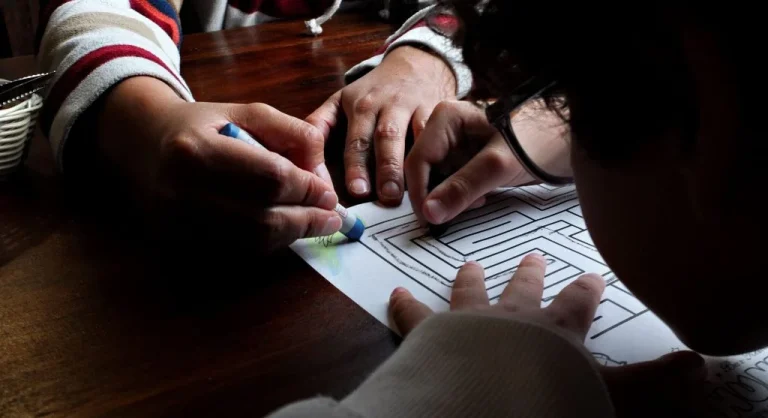
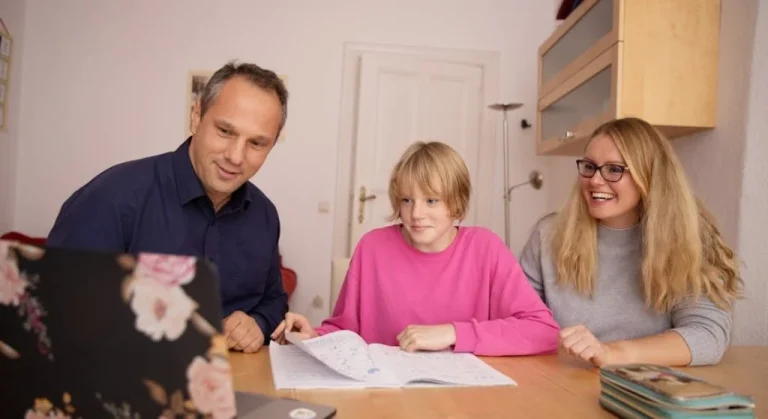
Education specialists generally note that children often engage more easily with writing practice when the first line is already started for them. The challenge is not always the writing itself. Often, the hardest part is moving from having an idea to putting the first words on the page. In many families, a child is not resisting the entire task—they are struggling with the pressure of a blank beginning.
This matters because writing requires children to manage several skills at once. They must generate ideas, organize thoughts, form sentences, control the pencil, remember letter patterns, and tolerate mistakes. Development experts often suggest that a simple starter line can ease this burden by removing the most difficult moment: the beginning. Over time, children may become more willing to write when the page no longer feels completely empty and demanding from the start.
The Blank Page Often Feels Bigger Than Adults Realize
Adults tend to focus on the amount of writing expected. A short paragraph or a few sentences may seem manageable from an adult perspective.
Children often experience something different. For many of them, the blank space at the top of the page feels like the biggest obstacle because it requires creating direction from nothing.
Child development specialists frequently explain that beginnings carry a surprising amount of emotional weight. In many homes, once children get started, the writing process becomes much smoother. The real challenge occurs before the first meaningful words appear on the page.
A Starter Line Makes the Task Feel More Manageable
When the first line has already been started, children no longer face an entirely blank page.
A sentence stem, opening phrase, or partial response gives them something to continue rather than asking them to create the structure from scratch.
Family learning experts often note that children cooperate more readily when the entry point is visible. In many homes, a child who resists the instruction “Write about your day” may respond much more comfortably to a prompt such as:
- “Today I noticed…”
- “One thing I enjoyed was…”
- “The most surprising part was…”
The writing still belongs to the child, but the direction feels clearer and easier to follow.
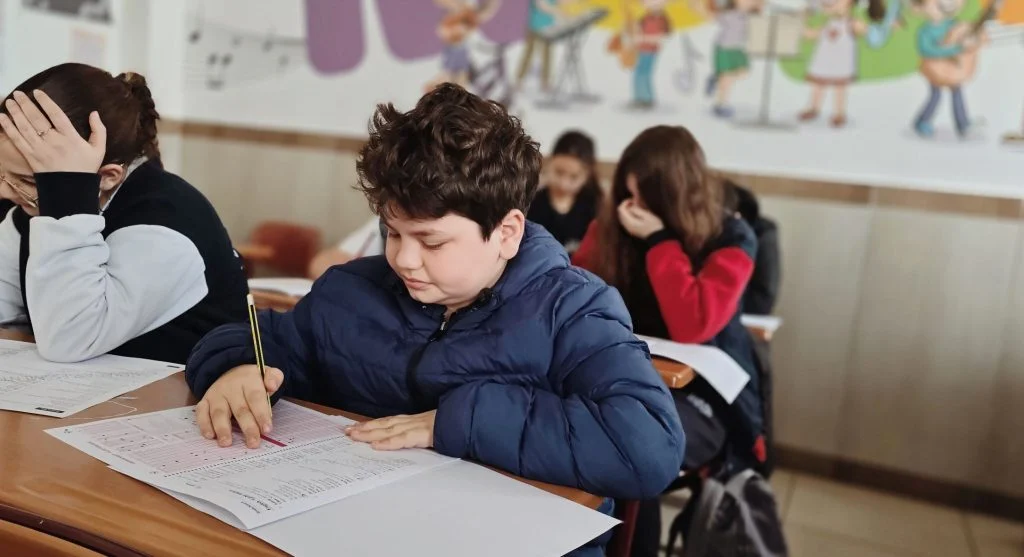
Children Often Need More Help Starting Than Continuing
Many children are far more capable writers than their initial resistance suggests.
Once they get past the beginning, they may add details, expand ideas, and complete the task with little difficulty. This can make writing resistance seem confusing. A child who appeared unable to write often becomes productive within minutes after getting started.
Development specialists frequently point out that initiation is a separate skill from writing itself. In many families, children do not need constant assistance throughout the entire activity. They simply need support with the first step, which can feel much harder than the rest of the assignment.
Starter Lines Reduce Decision Fatigue
Beginning a piece of writing involves numerous small decisions.
Children may wonder:
- What should I write first?
- Which words should I use?
- What idea should I focus on?
- How should I begin the sentence?
These decisions accumulate quickly and can become overwhelming.
Education specialists often explain that reducing unnecessary choices helps children focus on the actual writing task. A starter line removes some of the early decision-making burden, allowing children to direct more energy toward expressing their thoughts.
Children Often Feel Less Pressure When They Don’t Have to Invent the Opening
Some children worry that their first sentence will be wrong, boring, messy, or not good enough.
That anxiety can be strong enough to stop them from starting at all.
A partially completed first line lowers the pressure surrounding the most uncertain moment of the task. The child no longer feels entirely responsible for creating the perfect beginning.
Child behavior specialists often note that children become more willing to participate when they do not feel that the success of the entire assignment depends on their very first sentence.
In many homes, a starter line helps transform the page from something intimidating into something supportive.

Starter Lines Can Help Organize Thinking
A good starter line does more than reduce anxiety—it also helps structure thoughts.
When children begin with a clear sentence frame, they often understand more easily what kind of information should come next. The opening creates a path that guides their thinking forward.
Family learning specialists frequently explain that children write more effectively when structure appears early in the process.
Whether they are journaling, answering homework questions, or working on creative writing, a useful opening often helps children move from vague ideas to a clearer direction.
Early Success Creates Momentum
Motivation often follows success rather than preceding it.
A starter line creates an opportunity for quick progress because the child immediately has something to continue. Once one line exists, the page usually feels less intimidating.
The second sentence often comes more naturally because the child is no longer staring at a completely blank sheet.
Development experts frequently suggest that visible progress helps maintain engagement. In many families, a starter line works because it creates enough momentum to move children past the feeling of being stuck.
This Strategy Works Across Many Types of Writing
Starter lines can support more than one type of writing activity.
They are often helpful for:
- Journaling
- Reading responses
- Homework assignments
- Sentence-building practice
- Creative stories
- Descriptive writing
- School projects
The specific starter line can be adjusted to fit the goal of the activity.
Sometimes it provides a structure. Sometimes it sets the tone. Other times, it simply offers the first few words needed to get moving.
Education specialists often note that children benefit when support matches the task at hand. In many homes, starter lines become a flexible tool that helps reduce resistance across different forms of writing.
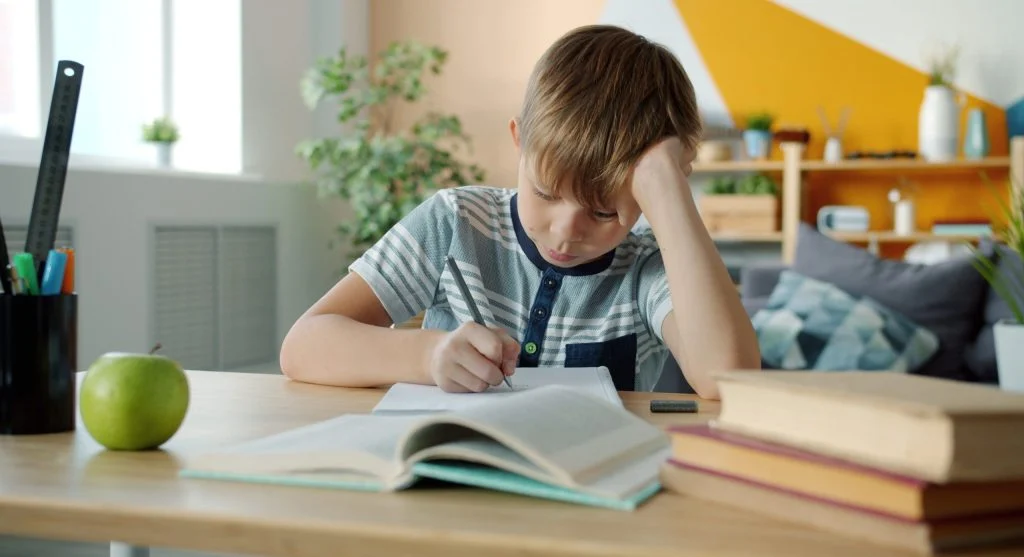
Supporting the Start Without Taking Over
When children struggle with writing, adults sometimes respond by overexplaining, dictating ideas, or heavily guiding every step.
A starter line offers a gentler alternative.
It provides support without removing ownership of the work. The child still develops the ideas, writes the sentences, and completes the assignment.
Parenting experts frequently explain that children learn best when adults offer enough assistance to make success possible without taking control of the task itself.
In many families, a simple first-line prompt creates that balance.
This Approach Can Build Independence Over Time
Some parents worry that helping with the first line will create dependence.
In practice, the opposite often happens.
When children repeatedly experience successful beginnings, they gradually become less intimidated by the act of starting. Over time, they build confidence in their ability to launch a writing task independently.
Child development specialists often compare this kind of support to training wheels. It is designed to help children succeed until they are ready to manage the skill on their own.
Many children eventually move from needing a written starter line, to needing only a verbal prompt, and finally to beginning independently.
Why Children Often Follow Writing Practice More Easily
Children often respond more positively to writing practice when the first line is already started because the most intimidating part of the task becomes easier to enter.
A starter line reduces pressure, limits unnecessary decisions, organizes thinking, and helps children experience success more quickly.
In many homes, this small adjustment changes the emotional tone of writing from resistance to engagement.
Over time, stronger writing habits often begin not with longer assignments or stricter expectations, but with a more supportive beginning.
FAQ
What is a starter line in writing practice?
It is the beginning of a sentence or response that helps the child continue the writing instead of starting from a completely blank page.
Does this make the writing less independent?
Usually no. It often supports independence by helping children practice successful beginnings until they can start more confidently on their own.
What kinds of writing tasks does this help with?
It can help with journaling, homework responses, sentence-building, simple stories, descriptive writing, and many other home writing tasks.
Should parents always write the first line for the child?
Not always. It can be used when a child is stuck at the beginning, and the support can often be reduced over time as confidence grows.
Internal Linking Suggestions
Link this article to posts about helping children write at home, reducing homework resistance, reading and writing readiness, encouraging journaling, and building confidence in early literacy routines.
Key Takeaway
Children often engage more easily with writing practice when the first line is already started because the blank page feels less overwhelming and the task becomes easier to enter. A starter line can reduce pressure, organize thinking, and create quick early success. In many families, supporting the beginning of a writing task leads to calmer, more productive writing experiences. Over time, this simple strategy can help build stronger confidence, greater independence, and more positive writing habits.