
Why Children Often Become More Flexible After Adults Name the Part That Is Hard First
Many parents want children to become more flexible, especially during disappointment, waiting, sharing, schedule changes, or daily routines that do not go the way the child expected. Yet flexibility often becomes hardest at the exact moment adults start asking for it. Child development specialists generally note that children often become more flexible when adults name the hard part first because acknowledgment lowers resistance and helps the child feel understood before adjustment is required. In many homes, children are not only fighting the change itself. They are also fighting the feeling that no one noticed why the change felt hard in the first place.
This matters because emotional flexibility is not just obedience. It is a developmental skill that asks children to absorb frustration, shift expectations, and stay connected to the moment even when things feel unfair or disappointing. Development guidance often suggests that children usually move into flexibility more successfully when adults first put simple words around the difficulty. Over time, this habit can help children feel less alone in frustration and more able to bend without feeling emotionally pushed over.
Flexibility Usually Comes After Feeling Seen, Not Before
Adults often ask children to “just go with it” or “be flexible,” as though those words should automatically create calm. For many children, flexibility becomes possible only after the difficult feeling has been recognized. A child who wanted the red cup, expected to go first, or thought the plan would stay the same may not be ready to adjust the instant disappointment arrives. The child often needs help settling the emotional reaction first.
Child development experts generally explain that children regulate more effectively when they feel understood. In many families, the child becomes less rigid after hearing something simple like, “You really wanted that turn,” or “You thought it was going to happen the other way.” That small acknowledgment often makes the next step easier.
Naming the Hard Part Can Reduce the Need to Protest
Many children keep protesting because they think the adult still does not understand the size of the problem. They repeat the complaint, argue about fairness, or intensify the emotion because they are still trying to make the experience visible. When an adult accurately names the hard part, some of that emotional work is no longer necessary. The child does not have to keep proving that the disappointment matters.
Family communication specialists generally note that children often calm faster when they no longer feel responsible for making adults see the problem. In many homes, naming the hard part first softens the protest because the child’s reality has already been recognized out loud.

Children Often Confuse Flexibility With Losing
Adults usually see flexibility as a strength, but children often experience it as giving something up. Waiting can feel like losing. A changed plan can feel like losing. Letting another child go first can feel like losing. If adults speak only about the required adjustment and not the emotional cost, the child may hear flexibility as surrender instead of growth.
Development specialists generally explain that children are still learning how to separate disappointment from defeat. In many homes, children become more open to flexibility when adults show that they understand what the child feels is being lost. Once that loss is named, the adjustment often feels less threatening.
Acknowledgment Often Makes the Limit Easier to Hear
Naming the hard part does not remove the boundary. The plan may still be changing. The answer may still be no. Another child may still get the first turn. Yet the limit often lands better after the hard part has been acknowledged. The child hears the boundary inside a relationship rather than inside opposition alone.
Parenting experts generally note that children listen more constructively when correction or redirection comes after emotional recognition. In many families, the same rule feels easier to accept when it follows a sentence that shows the adult understands the child’s point of view.
Children Often Borrow Emotional Language Before They Create Their Own
Many children know that something feels wrong but do not yet have the words for what kind of hard it is. They may only know they are angry, tight, disappointed, or suddenly upset. When adults name the hard part with simple language, children begin learning how to describe internal experience more clearly. That matters because self-awareness and flexibility often grow together.
Child development specialists generally note that emotional language is a tool for regulation. In many homes, children become more flexible over time because they start recognizing patterns in themselves. Instead of feeling taken over by frustration, they begin to understand what kind of frustration it is.
This Approach Helps Most During Everyday Disappointments
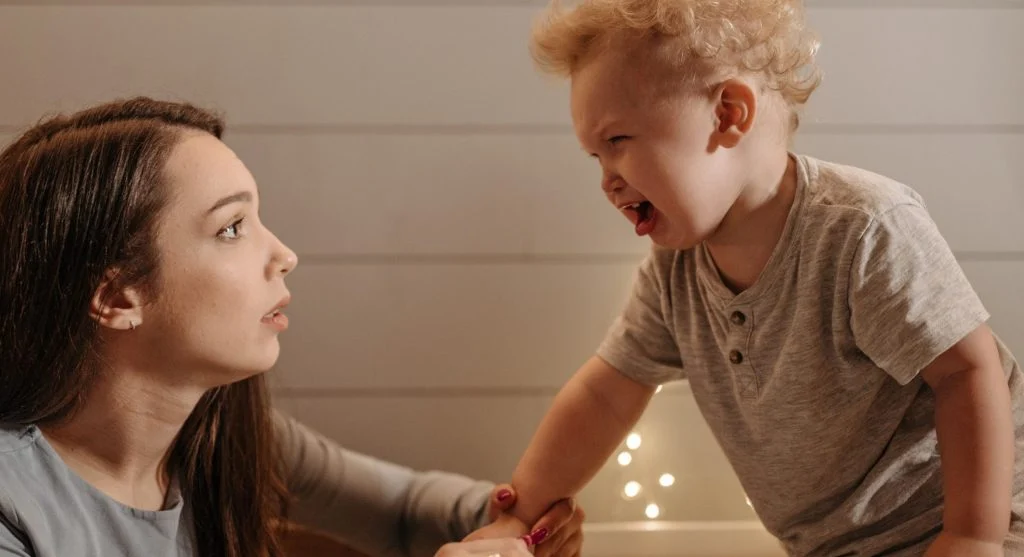
Parents often think about emotional coaching during large dramatic moments, but flexibility is usually built in smaller daily situations. The blue plate is in the dishwasher. The game ended before the child was ready. A sibling changed the rules. The store is closed. The outing is delayed. These ordinary disappointments are often where flexibility actually grows.
Family routine specialists generally explain that children build emotional skill through repeated small experiences, not only major life lessons. In many homes, naming the hard part during these everyday moments gives children the steady practice they need to become more adaptable over time.
Adults Often Stay Calmer When They Begin With Recognition
This habit can help parents too. When adults pause long enough to identify what is hard for the child, they often shift out of pure frustration and into clearer guidance. Instead of reacting only to the stubbornness or noise, the adult sees the emotional conflict underneath it. That shift can soften tone without weakening the limit.
Parenting specialists generally note that children respond better when adults sound grounded instead of irritated. In many families, naming the hard part first changes the conversation for both sides. The adult becomes more accurate, and the child becomes more reachable.
Flexibility Is Usually Built Through Repetition, Not One Perfect Moment
Children rarely become consistently flexible because of one powerful conversation. More often, they grow into flexibility through many repeated experiences of having a hard feeling noticed and then being guided through it. Each time the adult names the challenge and the child survives the adjustment, the child gathers evidence that disappointment is manageable.
Development guidance often suggests that resilience grows in these repeated small cycles. In many homes, the child who once melted down at every change gradually begins showing shorter protests, faster recovery, and more willingness to try again. That growth usually reflects many moments of steady adult support, not instant maturity.
Naming the Hard Part Is Not the Same as Giving In
Some parents worry that acknowledging difficulty may encourage more complaining or make children less resilient. In practice, recognition and firmness can work together. An adult can say, “This is hard because you really wanted more time,” and still hold the end of screen time. The acknowledgment does not erase the boundary. It simply makes the path toward accepting it more humane.
Family communication experts generally note that children often cooperate more when adults stay both clear and compassionate. In many families, naming the hard part actually reduces ongoing struggle because the child no longer has to choose between being understood and being guided.
Why Children Often Become More Flexible
Children often become more flexible after adults name the part that is hard first because acknowledgment reduces emotional resistance and gives the child a sense of being understood before change is required. Once the hard feeling has words around it, the child is often more able to move forward without feeling emotionally ignored. That does not make flexibility effortless, but it often makes it possible.
In many families, stronger emotional growth begins not with demanding flexibility faster, but with recognizing why flexibility feels difficult in the first place. Over time, this simple habit can help children build resilience, tolerate disappointment more steadily, and approach change with less fear and less protest.
FAQ
What does it mean to name the hard part?
It means briefly putting words to what feels difficult for the child, such as disappointment, waiting, losing a turn, or having a plan change unexpectedly.
Will this make children complain more?
Usually not. In many cases, children complain less once they feel understood and no longer need to prove how hard the moment feels.
Can parents still hold a firm boundary after doing this?
Yes. Acknowledging the difficulty does not remove the limit. It often makes the limit easier for the child to hear and accept.
Is this helpful only for younger children?
No. Older children also often respond better when adults recognize the emotional challenge before expecting flexibility.
Internal Linking Suggestions
Link this article to posts about helping children manage disappointment, emotional regulation at home, calm parenting communication, building resilience in children, and daily routines that support self-control.
Key Takeaway
Children often become more flexible when adults name the hard part first because acknowledgment lowers resistance and helps children feel understood before they are asked to adjust. Many children move toward change more calmly once the disappointment or difficulty has been recognized out loud. Families often see better cooperation when they pair emotional recognition with clear boundaries instead of using pressure alone. Over time, this simple habit can support stronger resilience, better regulation, and more real flexibility in children.