Why Children Often Remember More When They Explain One Small Idea After Reading
Many parents finish a home reading session and ask the familiar question: “Did you understand it?” Children often say yes, even when much of the text has already slipped away. This does not always mean they were not paying attention. Often, it means the reading stayed in the moment but was never turned into a memory that could last beyond the page. Education specialists generally note that children often remember more after reading when they explain one small idea aloud because speaking helps move information from short-term attention into stronger understanding.
This matters because reading is not only about getting through the words. It is also about holding meaning long enough to use it. A child may read a paragraph smoothly and still forget the main point within minutes if the brain never has a chance to work with it actively. Development guidance often suggests that asking for one small explanation after reading can strengthen comprehension without turning reading into a stressful test. Over time, this simple habit can help children become more thoughtful readers and more confident learners at home.
Reading Alone Does Not Always Create Strong Memory
Adults sometimes assume that once children read something, learning has already happened. In reality, reading can be surprisingly temporary if the child does not do anything with the information afterward. The words may enter the mind, but they do not always stay there. This is especially common when children are tired, distracted, rushing, or focused mainly on finishing the task.
Child development specialists generally explain that memory becomes stronger when children interact with new information in more than one way. Reading is one step. Explaining, recalling, comparing, or retelling can be another. In many homes, the missing link is not effort during reading. It is the lack of a small follow-up moment that helps the child hold onto what the reading meant.
One Small Explanation Can Be More Useful Than Many Questions
Parents often ask several comprehension questions after reading, hoping to check whether the child understood the text. Sometimes this works, but sometimes it makes the moment feel like a quiz. A child may focus more on pleasing the adult or guessing the right answer than on genuinely thinking about the reading. Asking for one small idea can feel different. It invites the child to share, not simply perform.
Family learning experts generally note that children often respond better when the follow-up feels manageable. A prompt such as “Tell me one thing you learned,” “What was one important part?” or “What is one idea you remember?” can lower pressure while still encouraging real thinking. In many homes, this approach leads to better recall because the child is not overwhelmed by too many questions at once.
Speaking Helps Children Organize What They Read
Many children understand more than they can immediately show. When they say one idea aloud, they begin organizing the reading into a clearer mental shape. The story, fact, or explanation no longer stays as a loose collection of sentences. It starts becoming a thought the child can carry.
Education specialists generally note that language helps structure memory. When a child says, “The boy was upset because he lost his dog,” or “The planet stays in orbit because of gravity,” that spoken sentence becomes a kind of anchor. In many families, children remember better because the explanation helped turn passive reading into active thinking.
Children Often Learn Better When the Task Feels Achievable
One reason this method works well is that it stays small. Some children shut down when adults ask them to summarize the whole page, explain the entire chapter, or retell every detail. That can feel too large, especially for younger readers or children who are still building confidence. One small idea feels much more reachable.
Development specialists generally explain that children stay engaged longer when adults set thinking tasks at a size they can handle. In many homes, the child who says “I don’t know” to a big summary question can still share one strong detail, one feeling, one fact, or one reason. That smaller success can build both memory and confidence.
Explaining After Reading Strengthens Comprehension, Not Just Recall
Remembering words is not the same as understanding them. A child may repeat a sentence from a book without fully grasping what it means. When children explain one small idea in their own words, adults get a clearer picture of real comprehension. The child is no longer copying the text. The child is making meaning from it.
Child development specialists generally note that this is one reason spoken explanation is so powerful. It shows whether the child can connect reading to understanding. In many families, this helps parents notice when the child truly understood the idea and when the child may need gentler support without making the reading session feel heavy.
This Habit Can Work With Stories, School Texts, and Nonfiction
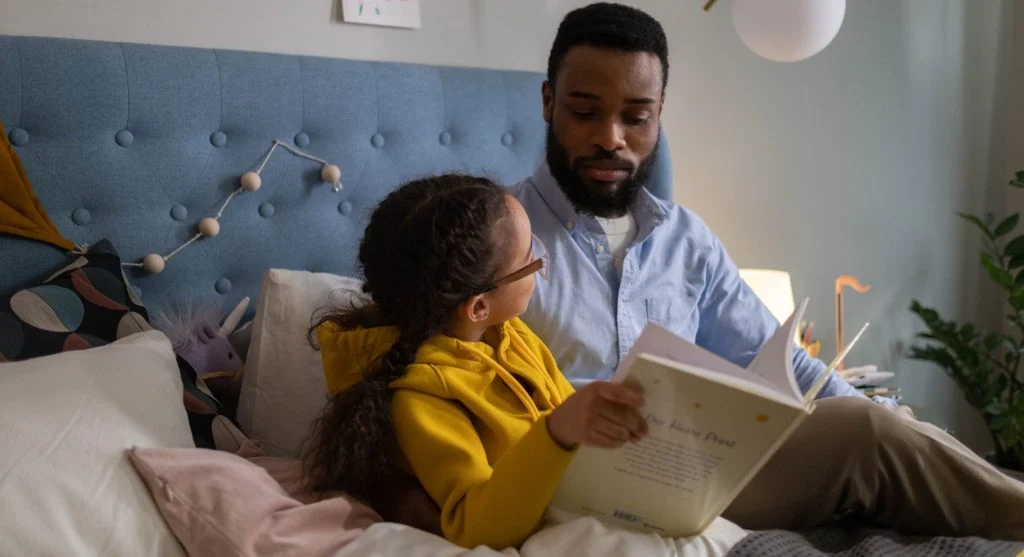
Some parents assume this strategy only fits storybooks. In reality, it can work across many types of reading. After fiction, the child might explain one character’s feeling or one important event. After nonfiction, the child might explain one fact or one surprising detail. After school reading, the child might describe one important point from the page.
Family learning experts generally note that children benefit most when home reading tools are flexible enough to fit real life. In many homes, this small after-reading explanation becomes useful because it works with bedtime books, homework passages, science reading, and even short articles or informational texts.
Children Often Build Stronger Vocabulary by Explaining Ideas Themselves
When children explain something aloud, they often reach for words more actively than when they simply answer yes-or-no questions. Even if the explanation is short, the child is practicing how to turn reading into spoken meaning. That process can strengthen vocabulary, sentence structure, and verbal confidence over time.
Development guidance often suggests that language growth and reading growth support each other closely. In many families, this means the habit of saying one small idea after reading does more than improve memory. It also gives children more practice expressing what they understand in their own words.
Parents Often Teach Better When They Listen Before Correcting
This method can help adults as much as children. When parents ask for one small explanation and truly listen, they often learn more about the child’s understanding than they would through correction alone. The child’s answer reveals what stood out, what made sense, and where confusion may still exist.
Education specialists generally note that home learning goes more smoothly when adults gather information before jumping into teaching. In many homes, listening first helps parents support reading more gently because they are working from what the child actually understood, not what the adult assumed the child should have understood.
A Small Teach-Back Moment Can Make Reading More Active
Many children read passively because they expect nothing to happen after the page ends. When they know they may share one small idea, the reading can become a little more active. They start noticing what matters, even if only in a simple way. The goal is not pressure. The goal is attention with purpose.
Family learning specialists generally explain that active reading habits often begin with very small routines. In many homes, this one habit changes the reading session because children begin holding onto meaning a little longer instead of letting the text disappear as soon as they close the book.
This Works Best When the Tone Stays Warm and Curious
Children benefit most from this approach when the adult sounds interested rather than testing. If the moment feels like a quiz, some children become anxious or guarded. If it feels like a genuine conversation, they are usually more willing to think aloud. A simple, warm tone can make a major difference.
Development specialists generally note that children learn more openly when they feel safe enough to be partly right, partly wrong, and still heard. In many families, a curious tone keeps the after-reading explanation from becoming performance and helps it stay what it should be: a small bridge from reading into understanding.
Why Children Often Remember More After Reading
Children often remember more after reading when they explain one small idea aloud because that spoken moment helps turn reading into active memory. It gives the child a manageable way to organize meaning, strengthen comprehension, and hold onto learning beyond the page. Reading stops being something that only passed through the eyes and becomes something the child has actually worked with.
In many families, stronger home reading does not come from longer sessions or harder questions. It often comes from one short, thoughtful habit after the book closes. Over time, that small teach-back moment can help children understand more, remember more, and approach reading with greater confidence and purpose.
FAQ
What should parents ask after reading?
A simple question often works best, such as “What is one thing you remember?” or “Tell me one important part.”
Does this help younger children too?
Yes. Younger children can often explain one feeling, one event, or one fact in very simple language.
Should parents correct the answer immediately?
It usually helps to listen first. Gentle follow-up works better than jumping in too fast with correction.
Can this method help with school homework?
Yes. It can work well after stories, reading passages, science texts, and short nonfiction homework assignments.
Internal Linking Suggestions
Link this article to other posts about home reading routines, reducing homework resistance, helping children remember what they learn, and ways to build confidence during learning at home.
Key Takeaway
Children often remember more after reading when they explain one small idea aloud because speaking helps organize meaning and strengthen memory. This simple habit can improve reading comprehension at home without making the session feel like a test. Families often see better understanding, stronger recall, and more confident reading when one short teach-back moment follows the page. Over time, this small routine can make home learning more active and more effective.