
Why Children Often Need Repeated Practice Before Accepting Help Without Feeling Upset
Many adults feel confused when a child clearly needs help but reacts badly as soon as help is offered. A zipper gets stuck, homework feels too difficult, blocks keep falling, or shoes will not go on properly, and the child may cry, shout, refuse, or pull the item away instead of accepting support. Child development specialists generally note that children often need repeated practice before they can accept help without becoming upset because receiving help is not only a practical moment. It is also an emotional one. In many homes, the child is not rejecting help because help is useless. The child is reacting to how needing help feels in that moment.
This matters because adults often see help as relief, while children may experience it as interruption, embarrassment, loss of control, or proof that something is too hard. Development guidance often suggests that children gradually become better at receiving support through many repeated experiences of struggling, being helped in a manageable way, and discovering that help does not mean failure. Over time, these repeated moments can make help feel safer, calmer, and less emotionally loaded.
Children Often Experience Help as More Than Problem-Solving
Adults usually focus on the task itself. If a child cannot open the container or solve the problem, help seems like the obvious next step. Children often feel something more complicated. They may already be frustrated, determined to do it alone, or emotionally invested in proving that they can manage the task without anyone stepping in. In that state, help may feel much bigger than adults intend.
Child development specialists generally note that young children are still building a sense of competence and control. A helping hand may not feel neutral. It may feel like a threat to the child’s growing independence. In many homes, this is why a child can truly need support and still react strongly against it at first.
Accepting Help Often Requires Letting Go of Control
One reason help can feel emotionally difficult is that it usually requires the child to give up some control over the situation. The child may have been trying, experimenting, or quietly holding onto the idea that success should come through personal effort. When an adult steps in, even with kindness, the child may feel that control is being taken over at the exact moment it mattered most.
Development experts generally explain that children often protect their sense of control strongly, especially during tasks that already feel hard. In many families, resistance to help is not always resistance to the adult. It is often resistance to giving up the child’s own attempt too soon.

Children Often Feel Frustration and Shame at the Same Time
When children struggle, they are not always feeling only frustration. Sometimes they are also feeling embarrassed, exposed, or disappointed in themselves. A child who has already been trying hard may hear the offer of help as proof that the struggle is visible and that success did not happen quickly enough. This can make the moment feel emotionally sharp.
Child behavior specialists generally note that children are still learning how to separate needing help from failing. In many homes, a child reacts strongly because the emotional meaning of help feels too heavy, not because the child truly wants to stay stuck forever. This is one reason repeated gentle experiences with support can matter so much.
Children Usually Accept Help More Easily When It Feels Predictable
Support often goes better when children know what kind of help is likely to come. If adult help regularly appears as a sudden takeover, the child may start resisting quickly. If help usually comes in a more predictable and measured way, children often begin to trust it more. Predictability can make support feel less like losing the whole task and more like moving through one part of it with another person nearby.
Development guidance often suggests that children respond better when adult help has a familiar emotional shape. In many families, acceptance improves when support feels calm, brief, and recognizable instead of abrupt and total. Over time, this repeated pattern can make help feel like a normal part of learning rather than an emotional threat.
Repeated Small Experiences Can Make Help Feel Safer
Most children do not suddenly become comfortable with receiving help after one conversation. More often, they grow into it through many everyday moments. A child struggles, an adult helps a little, the task becomes manageable, and the relationship stays calm. These smaller repeated experiences can gradually teach the child that support does not erase independence.
Child development specialists generally note that emotional trust grows through repetition. In many homes, children become more willing to accept help because they have enough memory of what happens afterward. The task improves, the adult stays calm, and the child gets through the moment without losing dignity or control completely.
Children Often Need Time Before They Can Shift From Struggle to Support
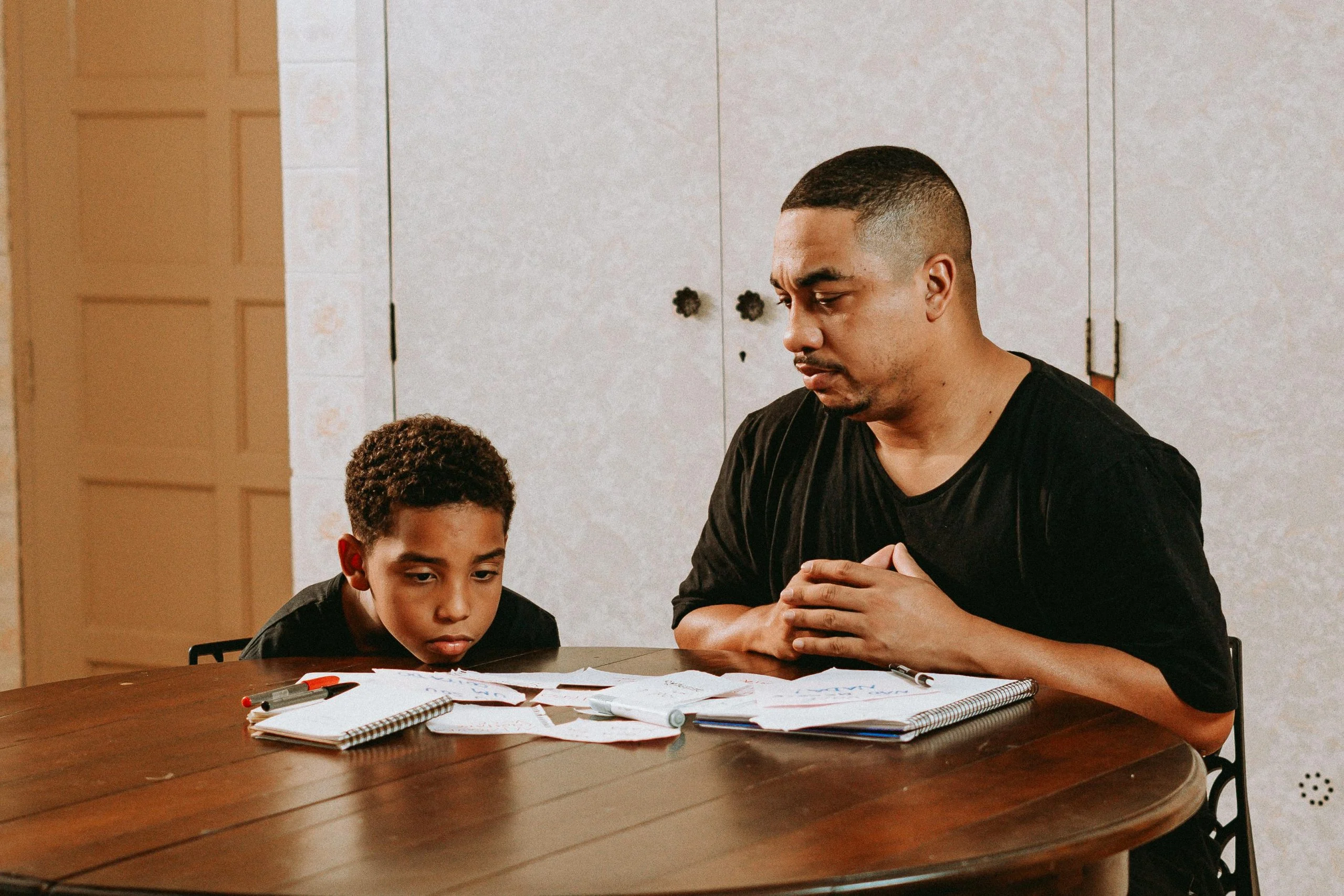
Even when help is needed, children may not be able to accept it right away. They may need a pause to move emotionally from trying alone to trying with support. Adults sometimes interpret this hesitation as stubbornness, but it may be more of a transition problem. The child’s feelings are still catching up to the idea that the task now includes another person.
Family relationship specialists generally note that children often manage support better when the shift is not rushed. In many homes, the hardest part is not the help itself but the emotional turn toward allowing it. Repeated experience with this turn can gradually make it feel less upsetting.
Accepting Help Often Improves as Confidence Grows
Children who feel more secure in their overall competence often accept support more easily because help no longer feels like complete proof of failure. When children have enough repeated experiences of doing many things well, a moment of needing assistance can feel smaller and less identity-shaking. Confidence works like emotional padding around the difficulty.
Development specialists generally explain that children who are still building a fragile sense of “I can do things” may react more strongly to help because the struggle touches that identity directly. In many families, as confidence strengthens across everyday life, help begins to feel less threatening and more useful.
Adults Often Influence Help Acceptance Through Tone and Timing
Children are sensitive not only to help itself, but also to how help arrives. A rushed, overly detailed, or emotionally loaded offer can make support harder to accept. A calmer, steadier approach often helps because the child feels less pressure in the moment. The adult’s tone can quietly shape whether help feels safe or humiliating.
Family communication experts generally note that children often accept support more readily when the adult sounds calm rather than urgent. In many homes, better timing and gentler delivery make help easier to take because the child feels guided, not overtaken.
Children Often Learn That Help and Independence Can Exist Together
Children often need repeated practice before accepting help without feeling upset because development is teaching them two things at once: to become independent and to stay connected to support. At first, these two things can feel like opposites. Over time, repeated calm experiences can show children that accepting help does not cancel strength. It can be part of growing stronger.
In many homes, this shift happens gradually. The child who once shouted “No, I do it myself” through every struggle may later accept a small hint, then a little guidance, and eventually fuller support when it is truly needed. That growth often reflects many repeated experiences of learning that help can feel respectful, safe, and temporary rather than overwhelming.