Why Children Often Feel More Included When a Family Tradition Gives Everyone the Same Small Role
Many family traditions become meaningful because they happen again and again, but repetition alone is not always what makes children feel most connected. Family relationship specialists generally note that children often feel more included when a family tradition gives everyone the same small role because shared participation helps children see themselves as part of the family pattern, not just present during it. In many homes, a ritual becomes more emotionally powerful when each person has one visible part that helps it happen.
This matters because children often understand belonging through involvement. A child who simply watches a tradition may still enjoy it, but a child who pours the juice, folds the napkins, picks the song, lights the candle, passes the books, or opens the board game often feels more rooted in the experience. Development guidance often suggests that repeated small participation helps children build a stronger sense of family identity because the tradition no longer feels like something adults create around them. Over time, one small shared role can help children feel more seen, more useful, and more secure in family life.
Children Often Feel Belonging More Deeply When They Participate
Adults sometimes assume that children feel included just by being invited into family time. While being present does matter, participation often matters just as much. A child who helps begin the tradition, even in one very small way, usually receives a stronger message that this family moment includes them personally. The ritual becomes something the child helps carry, not just something the child attends.
Family specialists generally note that belonging grows through repeated experiences of mattering. In many homes, children relax more into family traditions when they know they are expected in a useful way. That expectation can feel emotionally important because it tells the child that the family moment would not feel complete without them.
Small Roles Often Feel More Manageable Than Big Responsibilities
Children often respond best when their part in a family tradition is simple enough to repeat successfully. A small role can be easier to remember, easier to enjoy, and easier to complete without pressure. When the responsibility becomes too large, the child may feel tense or overwhelmed instead of included. A simple repeated role often works better because it feels achievable.
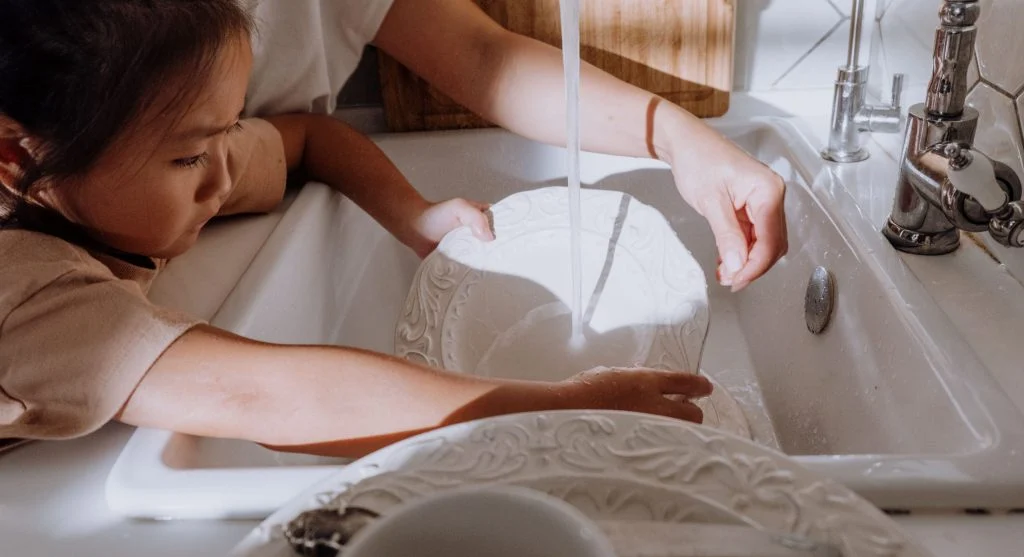
Child development specialists generally note that confidence grows through manageable success. In many families, a child who always places the spoons, chooses the first song, or carries one tray begins to feel steady inside that role because it can be done well again and again. That repeated success often deepens attachment to the tradition itself.
Shared Roles Often Make the Tradition Feel More Fair and Unified
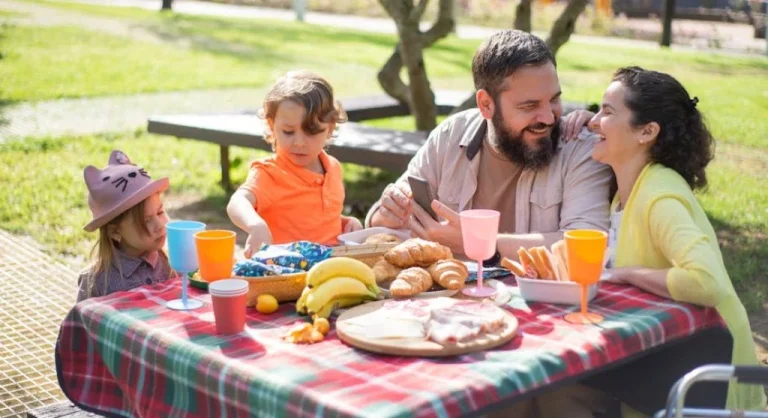
When everyone has one small part to play, the tradition often feels more shared. Children may notice whether adults do everything while they simply wait, or whether the whole family contributes in some visible way. A ritual where everyone has a role often creates a stronger feeling of togetherness because no single person seems to own the moment completely.
Family relationship experts generally note that children are highly aware of patterns of fairness and participation. In many homes, a shared-role tradition feels especially warm because it shows that the family creates the moment together. The child sees not only what the family does, but also how the family works side by side.
Repeated Roles Help Children Know Where They Fit
Children often feel calmer inside routines when they know what belongs to them. This is true in everyday chores, and it can matter just as much in traditions. If a child always places the dessert plates on Friday night, chooses the bedtime book on Sunday evening, or starts the family walk by opening the gate, that repeated role helps answer a quiet emotional question about where the child belongs in the family pattern.
Development specialists generally explain that children often build confidence through repeated identity cues. In many families, the child begins to think of the role as part of what the tradition means. The ritual becomes more than an event. It becomes a place where the child knows what they do and why they matter.
Family Traditions Often Become Stronger When the Roles Are Predictable
One reason small roles work well is that they make the tradition more recognizable from the inside. The child begins to anticipate not only the activity, but also the part each person usually plays. That anticipation can make the tradition feel more dependable and emotionally satisfying because the child is not just looking forward to the event. The child is looking forward to their place within it.
Family routine experts generally note that predictability supports emotional attachment. In many homes, traditions become stronger when their structure returns in familiar ways. Small repeated roles help create that structure by giving the child something to count on each time the tradition comes back.
Children Often Remember Their Part of the Tradition for Years
Adults may remember the menu, the timing, or the setting of a family ritual. Children often remember the feeling of having a role. They may remember that they always stirred the batter, rang the little bell, brought in the pillows, chose the song, or helped open the first page of the book. These small contributions can stay vivid because they made the child feel directly connected to the family moment.
Child development specialists generally note that memory often attaches strongly to participation. In many homes, this is one reason simple traditions become lasting emotional memories. The child was not only present. The child was involved in a way that felt personal and repeatable.
Small Roles Can Help Quiet Children Feel Included Too
Not every child enjoys big attention or dramatic responsibility. Some children feel most secure when their role is calm, simple, and repeated. A small shared part in a family tradition can help quieter children feel included without pushing them into the spotlight. They still contribute, still belong, and still help shape the family moment in a way that fits their temperament.
Family communication specialists generally note that inclusion works best when it matches the child’s comfort level. In many families, small roles help because they make participation possible for different personalities. The tradition becomes a place where children can belong in their own way rather than only through big visible performance.
Adults Often Benefit From Shared Roles Too
Children are not the only ones helped by traditions with small shared parts. Adults often feel less pressure when the ritual is carried by the whole family instead of resting on one person’s effort alone. This can make the tradition easier to repeat over time, which often matters more than making it impressive. A repeatable ritual usually becomes more emotionally valuable than a perfect one that rarely happens.
Family routine experts generally note that children benefit most from traditions that last. In many homes, shared roles help traditions last because they spread the emotional and practical work across the family. That shared effort often strengthens both the ritual and the family’s connection to it.
Children Often Feel More Included When the Family Ritual Makes Their Place Visible
Children often feel more included when a family tradition gives everyone the same small role because shared participation turns the tradition into something the family creates together. The child is not just receiving the moment. The child is helping build it in a recognizable way. That often makes the ritual feel warmer, more personal, and more emotionally secure.
In many families, traditions become strongest not when they are elaborate, but when they make belonging visible. Over time, one small repeated role can help children feel that family life is not only something happening around them. It is something they help shape, carry, and remember as their own.