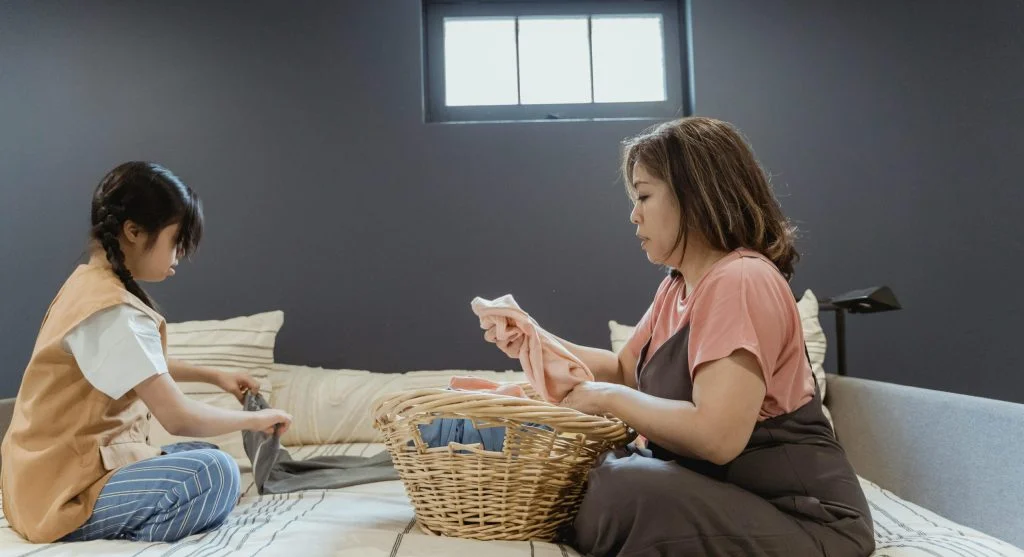
Why Children Often Wait More Calmly When They Have One Small Job to Do
Waiting is one of the hardest parts of daily family life for many children. It appears in ordinary moments such as standing by the door, waiting for dinner, sitting through a sibling’s turn, staying patient in a line, or pausing while an adult finishes one task before starting another. Parenting and child development specialists generally note that children often wait more calmly when they have one small job to do because a clear role helps organize attention and reduce the feeling of empty delay. In many homes, the hardest part of waiting is not only the time itself. It is the lack of direction during that time.
This matters because adults often experience waiting as neutral while children often experience it as active frustration. A child may feel restless, bored, or uncertain about what to do with the body and mind while nothing seems to be happening. Development guidance often suggests that children handle waiting more successfully when the moment includes a manageable purpose. Over time, one small job during routine pauses can reduce conflict, lower repeated questions, and help children move through waiting with more steadiness.
Waiting Often Feels Bigger to Children Than It Does to Adults
Adults usually understand why waiting is necessary. They know dinner is almost ready, shoes still need tying, the doctor will call a name soon, or the family will leave in a few minutes. Children often do not hold time in the same way. A short delay may feel much longer because the child is focused on wanting the next thing now. The gap between expectation and reality can feel emotionally large.
Child development specialists generally note that children are still building patience, time awareness, and impulse control. This means waiting can quickly turn into whining, repeated asking, wandering, or conflict even when the actual delay is brief. A small task can help because it gives the child a more concrete way to move through the waiting period instead of simply feeling trapped inside it.
One Small Job Gives Attention Somewhere to Land
Children often become more upset during waiting when attention has nowhere clear to go. They may stay fixed on what has not happened yet and become more frustrated with every passing moment. A small job changes that pattern by giving the mind a simple place to land. Holding napkins, counting apples, carrying a book, checking whether shoes are lined up, or handing something to an adult can all create a clearer focus.
Family routine experts often note that attention usually regulates better when a child knows what to do with it. The job does not need to be impressive or time-consuming. It simply needs to be clear enough that the child feels involved in something real while the waiting continues. In many homes, this lowers agitation because the child is no longer sitting inside uncertainty alone.
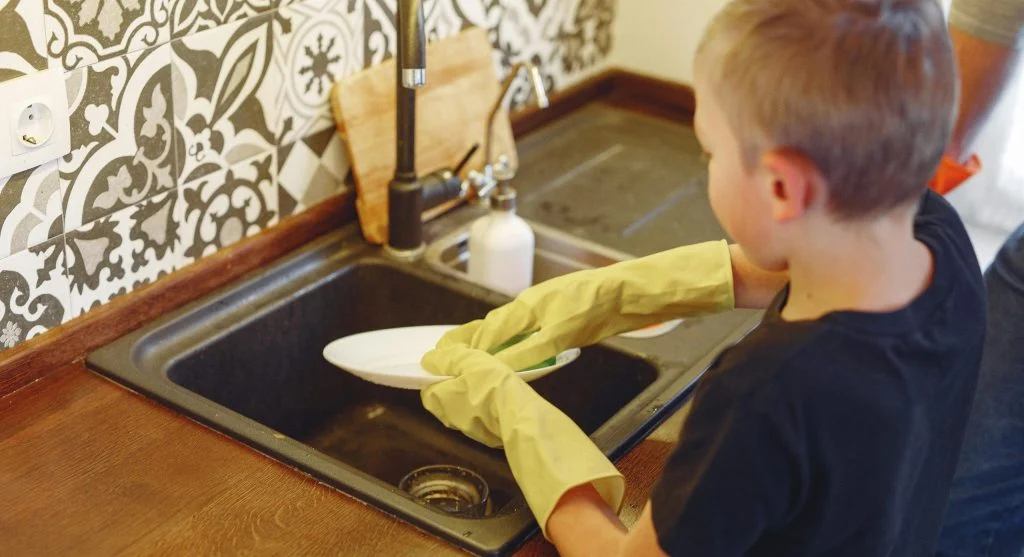
Children Often Stay Calmer When They Feel Included Instead of Delayed
Waiting can feel especially frustrating when children believe adults are doing something important while they are left with nothing meaningful to do. A small job can shift that feeling. Instead of experiencing the moment only as delay, the child begins experiencing it as participation. That emotional change can matter more than adults expect.
Family relationship specialists generally note that children often cooperate better when they feel included in the flow of family life. A simple role tells the child that the waiting moment is not empty and that the child still has a place inside what is happening. In many homes, this softens frustration because the child no longer feels pushed to the edges of the routine.
Small Tasks Can Help the Body Stay Organized
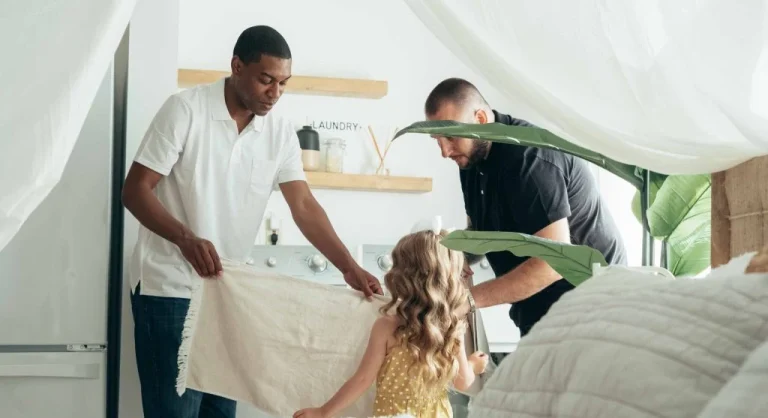
Children often struggle with waiting because the body is restless before the mind even catches up. The child may pace, grab, interrupt, climb, or complain simply because the body has energy with nowhere clear to go. A small job often helps because it gives movement purpose. Carrying something, matching something, lining something up, or helping with one physical step can reduce the feeling of being physically stuck.
Child behavior specialists generally note that regulation is not only verbal. It also depends on what the body is being asked to do. When the body has a simple organized action, waiting may feel less frustrating because the child is not forced into total stillness without support. In many families, this makes short waiting periods much more manageable.
Jobs Often Work Better Than Repeated Reminders to “Be Patient”
Adults often respond to waiting struggles with verbal reminders such as “wait,” “hold on,” or “be patient.” Those reminders may be reasonable, but they do not always tell the child how to manage the time or feeling. A small job often works better because it turns patience into something more practical. The child is not only being told to wait. The child is being shown what to do while waiting.
Development experts generally explain that children use concrete guidance more easily than abstract instruction, especially in frustrating moments. A child may not know how to “be patient” in a meaningful way, but may know how to place spoons on the table, hold the grocery list, or put books in a stack. In many homes, this is why jobs can lower conflict more effectively than repeated verbal correction alone.
Children Usually Do Best When the Job Is Small and Achievable
Not every task helps. If the job is too big, too confusing, or too important, it may add stress instead of reducing it. Children usually respond best when the job is small enough to understand right away and simple enough to complete without much pressure. A brief job often works better than a complicated responsibility in the middle of a waiting moment.
Parenting specialists generally note that success matters. The child should feel capable of doing the task, not set up to fail at it. In many homes, the best waiting-time jobs are short and concrete: hold this, bring that, count these, match these, or place these here. The purpose is to support regulation, not create a new challenge under pressure.
Repeated Small Jobs Can Build Stronger Waiting Skills Over Time
Children rarely become calm waiters after one good experience. More often, they improve because repeated waiting moments begin to feel more familiar and less emotionally empty. Each time a child experiences waiting alongside one small purposeful action, the child gathers a little more practice with moving through delay without becoming overwhelmed.
Child development specialists generally note that self-control often grows through repeated lived experience rather than through sudden insight. A child who regularly helps during transitions, short pauses, and routine delays may gradually become more able to tolerate waiting even when no job is offered. In many homes, these smaller structured moments help build the larger skill over time.
Waiting Usually Improves When the Environment Supports It
Families often hope children will simply become more patient with age, yet patience usually grows more steadily when the environment supports it. Small jobs are one way to do that. They reduce boredom, organize movement, and make the pause feel less random. This does not mean every waiting moment needs to become a lesson or a chore. It means that when waiting is hard, structure often helps more than repeated frustration.
Children often wait more calmly when they have one small job to do because a clear role makes the moment feel more manageable and less empty. In many families, that small shift changes waiting from a struggle into a simpler part of daily life. Over time, these ordinary moments can help children build patience in a way that feels practical, calm, and achievable.
Key Takeaway
Children often wait more calmly when they have one small job to do because a simple task gives attention and movement a clear purpose during delay. Waiting often feels harder when children are left with nothing meaningful to do while expecting the next thing to happen quickly. Families usually see calmer behavior when short pauses include one small achievable role instead of only reminders to be patient. Over time, these everyday moments can help children build stronger waiting skills with less conflict.