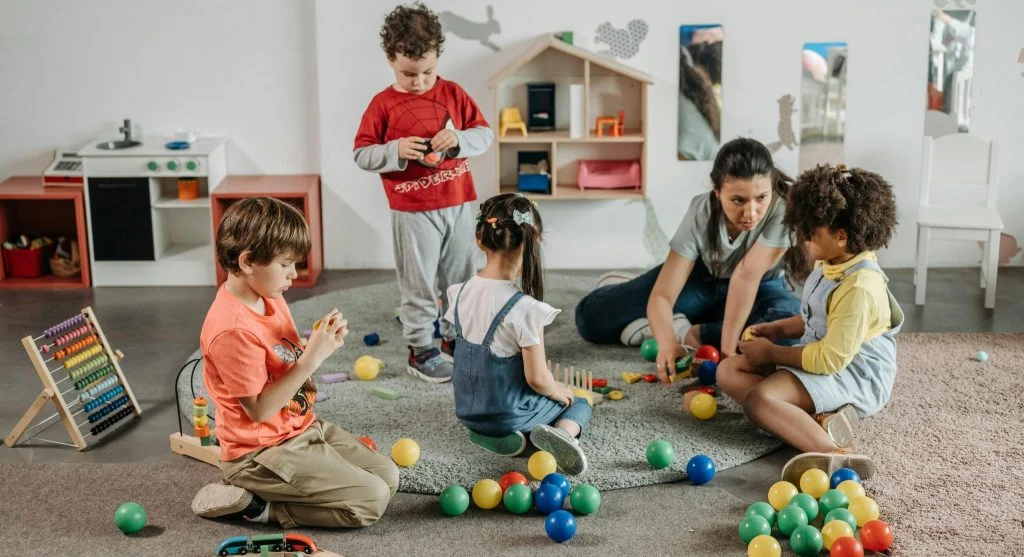
Why Children Often Need More than 1 Practice Before Sharing Feels Consistent
Many adults expect children to understand sharing soon after they are told why it matters. A child may know the words about taking turns, being fair, and letting others join in, but still struggle when a favorite toy, snack, or activity is involved. Child development specialists generally note that children often need more practice before sharing feels consistent because sharing is not just one lesson children memorize. It relies on impulse control, waiting skills, emotional regulation, flexibility, and the ability to handle frustration in the moment.
This matters because adults often mistake a child’s refusal to share for selfishness, when it may actually reflect normal developmental limits. A child who grabs a toy back, says no right away, or becomes upset during turn-taking is often showing how difficult it can be to balance a strong desire with social expectations. Development guidance often suggests that sharing grows slowly through many repeated everyday experiences, not through one correction or one conversation about kindness. Over time, repeated practice can help children move from protecting what feels important to sharing with more confidence and less distress.
Sharing Requires More Skills Than Adults Usually Notice
From an adult’s point of view, sharing can seem simple. One child has something, another child wants it, and the expected solution feels obvious. For children, the moment is often much more complicated. The child has to notice another person’s need, manage the urge to keep the item, tolerate waiting or giving something up, and stay calm enough to avoid reacting impulsively. All of that may need to happen within just a few seconds.
Child development specialists generally note that these combined demands make sharing difficult, even for children who are thoughtful and caring in many other situations. A child may fully understand that sharing is encouraged and still not have enough self-control or flexibility to manage it smoothly every time. This is one reason inconsistent sharing is so common throughout childhood.
Children Often Feel Possession Very Strongly
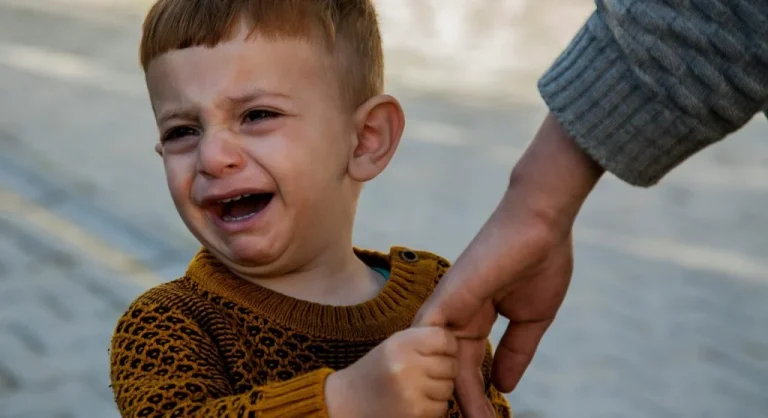
Many children experience “mine” in a very powerful way. A toy, seat, book, or snack can feel closely connected to comfort, enjoyment, or control. When another child wants that same object, the request may feel much bigger than adults realize. The issue is not always greed. Often, it is the strong emotional meaning the child has attached to holding or using that thing right now.
Development experts often explain that children are still learning the difference between temporary possession and permanent loss. If a child is deeply involved with an object, sharing may feel like losing something important instead of simply letting someone else have a turn for a little while. That emotional reaction can make the moment much harder.
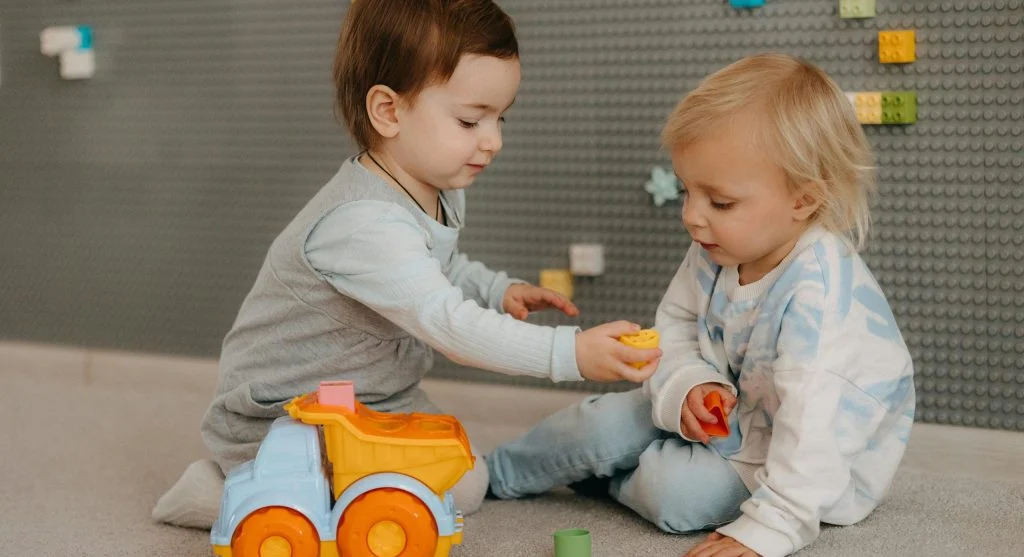
Credit: Polesie Toys / Pexels
Waiting Is a Major Part of Sharing
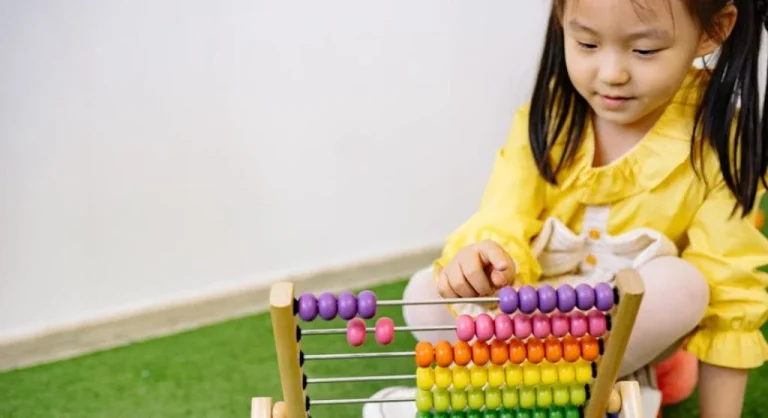
Sharing is closely connected to waiting, and waiting is often one of the hardest skills for children to manage. When a child is asked to share, they may need to pause their own enjoyment, delay something they wanted to do, or trust that another turn will come later. That kind of waiting can feel frustrating, especially when the child is already excited or emotionally invested.
Child behavior specialists generally note that turn-taking and sharing improve together because both depend on managing delay. A child who struggles with waiting will often struggle with sharing too. In many homes and classrooms, the visible problem may be the refusal to share, but the deeper skill still developing is the ability to wait without feeling overwhelmed.
Children Often Share More Easily in Calm Moments Than in Emotional Ones
A child may share easily one day and struggle strongly the next. This difference often has as much to do with emotional state as it does with personality. Tiredness, hunger, overstimulation, embarrassment, and sibling conflict can all make sharing more difficult. When a child has fewer internal resources, they may protect possessions more quickly because patience and flexibility are already lower.
Development specialists often note that behavior is strongly shaped by condition. A child who had no problem offering crayons in the morning may have trouble using the same skill after a long afternoon. This does not mean the lesson disappeared. It often means the child’s ability to use that lesson changed with the emotional demands of the day.
Repeated Everyday Practice Usually Matters More Than Big Lectures
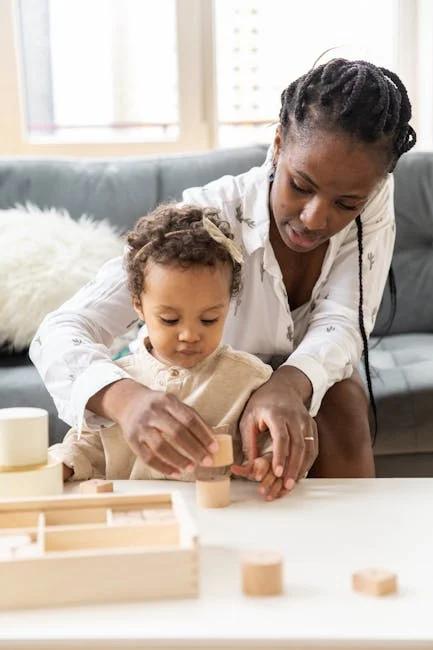
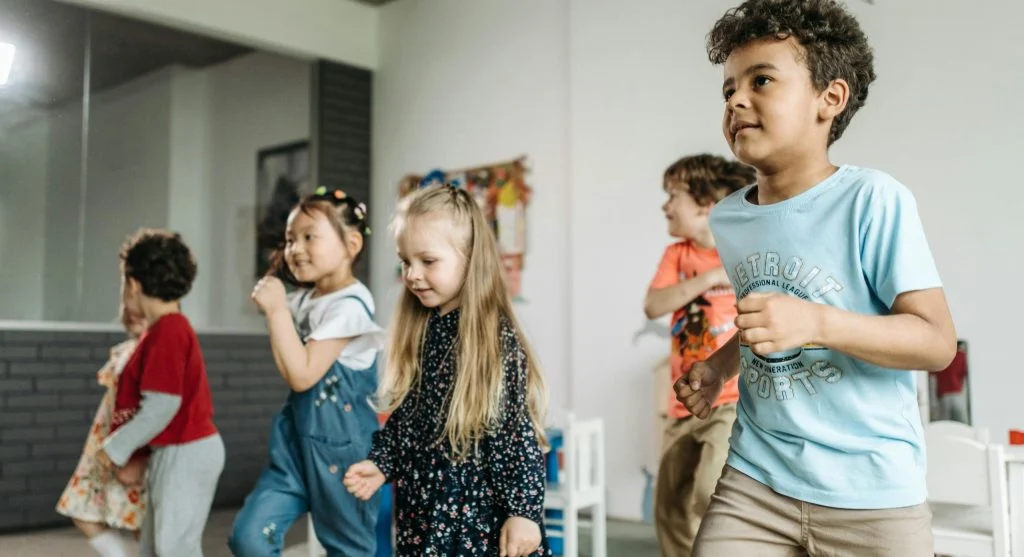
Children rarely become steady sharers because of one serious talk about being kind. More often, they learn through repeated everyday experiences: passing materials during crafts, taking turns with game pieces, waiting for a swing, sharing markers at a table, or dividing snacks calmly. These small moments matter because they happen often enough for the child to practice the skill in real situations.
Family routine experts often note that everyday repetition helps children learn what sharing feels like, not just what it means. The child slowly builds experience with the discomfort of waiting and the relief of realizing that a turn can come back. Over time, these repeated moments can make sharing feel less threatening and more familiar.
Credit: Pavel Danilyuk / Pexels
Adult Support Often Helps Sharing Feel Safer
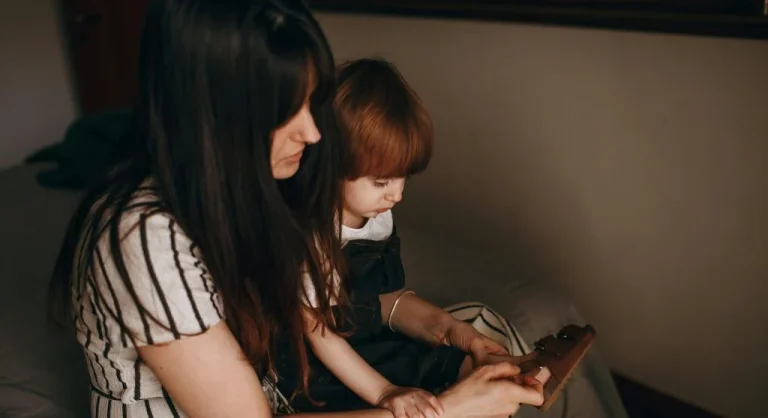
Children often manage sharing better when adults make the situation clearer and more predictable. Calm language, visible turn-taking, and repeated routines can all help. When children understand that the sharing moment has some structure, they may feel less like they are simply losing control of something they value. This can lower defensiveness and make the interaction easier to handle.
Child development specialists frequently note that adult support works best when it reduces chaos instead of increasing pressure. A child who feels pushed, shamed, or rushed may hold on more tightly to the object or argue more strongly. A child who experiences a calm, organized sharing moment may begin to trust that making room for another child does not mean everything is out of control.
Progress in Sharing Often Appears in Small Signs First
Families sometimes hope children will suddenly become generous and easygoing in every sharing situation. More often, progress appears in smaller ways. A child may need fewer reminders, protest for a shorter time, agree to shorter turns, or recover more quickly after disappointment. These changes may seem small, but they often show that the skill is developing in a real and lasting way.
Development guidance often encourages adults to notice these quieter signs of growth. Sharing is a social skill built over time. In many homes, the child who once refused every turn may slowly become the child who hesitates, then agrees, and eventually begins offering more freely as confidence and flexibility grow.
Sharing Often Becomes Easier When It Feels Predictable Instead of Forced
Children often need more practice before sharing feels consistent because sharing depends on emotional and social skills that are still developing. The child has to manage desire, tolerate waiting, and trust that giving up a turn is not the same as losing everything. These are demanding tasks in childhood, especially during exciting or emotionally intense moments.
In many families, sharing improves most when it becomes part of daily life in calm, repeated ways instead of only coming up during conflict. Over time, repeated experience helps children discover that sharing can feel manageable, fair, and temporary rather than overwhelming. That is often when the skill begins to feel more natural and less forced.