

Why Children Often Follow Directions Better When the Next Step Is Physically Ready
Many daily family struggles do not happen because children are unwilling to cooperate. They often happen because the next step still feels too difficult to begin when the instruction is given. A parent may say it is time to get dressed, start homework, leave the house, or begin bedtime, but the child stalls, wanders around, or argues before getting started. Parenting and child development specialists generally note that children often follow directions more easily when the next step is already physically prepared, because a visible setup reduces confusion and makes action easier to start. In many homes, the issue is not the direction itself. It is that the child still has to figure out the whole path into the task.
This matters because children are still developing planning, sequencing, attention shifting, and working memory. A spoken instruction may sound simple to an adult, but it can still include many hidden demands for a child. Development guidance often suggests that cooperation improves when the environment supports part of the routine. Over time, preparing the next step in advance can reduce resistance, improve follow-through, and make everyday routines feel more manageable.
Children Often Struggle When a Direction Contains Too Many Hidden Steps
Adults often shorten routines into simple phrases such as “Get ready,” “Do your homework,” or “Let’s go.” Children usually experience those phrases differently. Each one may include several actions that are not yet organized in the child’s mind. Getting ready may mean finding socks, choosing clothes, putting on shoes, and locating a bag. Starting homework may mean finding a pencil, clearing a place to work, opening the right folder, and understanding what to do first.
Child development specialists often note that children respond more slowly when an instruction requires them to mentally organize too much of the routine at once. When the next step is already visible, less planning has to happen in the moment. This often makes the task feel smaller and easier to begin.
Prepared Environments Reduce the Need to Search and Decide
Many children lose momentum when they have to search for materials or make too many decisions before starting a task. A child told to get ready for school may become distracted while looking for shoes. A child told to sit down for reading may lose focus before finding the book, paper, or the right place to sit. These small delays can quickly turn into frustration for both children and adults.
Family routine experts generally note that prepared environments help because they reduce the number of decisions needed before action begins. When clothes are laid out, shoes are by the door, homework materials are kept in one place, or bedtime items are already ready, the child can move more directly into the task. In many homes, this reduces the drifting that is often mistaken for refusal.
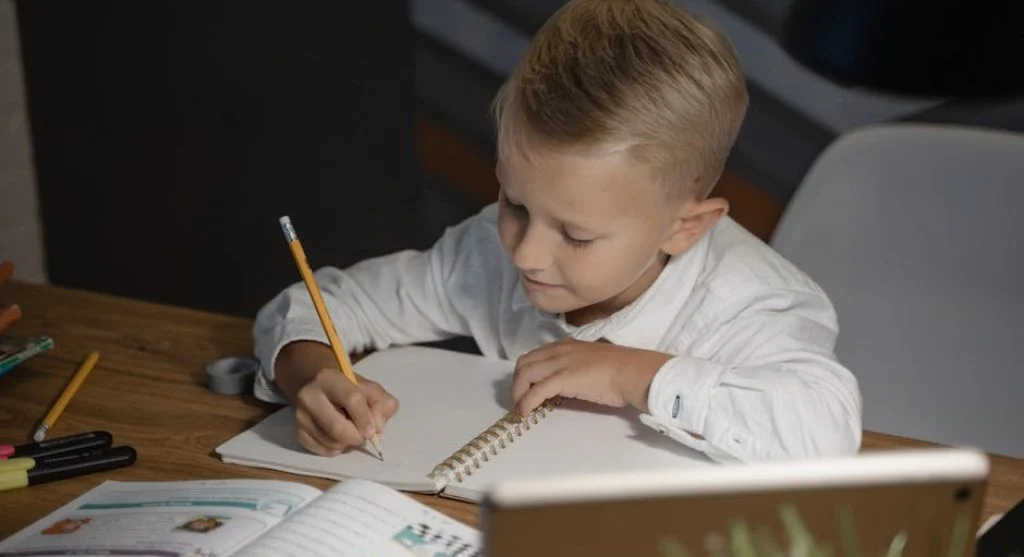
Credit: Gustavo Fring / Pexels
Children Often Cooperate More When the First Action Is Obvious
One reason prepared next steps work well is that they make the first action easier to see. If pajamas are already on the bed, the bedtime routine feels clearer. If the reading book is open on the table, learning time has a more visible starting point. If the plate goes straight to a familiar sink area after dinner, cleanup becomes easier to understand. The child no longer has to guess what “start” looks like. Parenting specialists often note that the beginning of a task is where many routines break down. Once a child has started, continuing often becomes easier. A prepared next step supports this by turning a vague direction into a usable first move. In many homes, that small difference changes the tone of the whole interaction.Physical Readiness Often Supports Better Attention Shifting
Transitions are hard for children because they must leave one activity and enter another. If the new activity is not physically ready, the child may remain mentally attached to the old one while trying to figure out what the next task even is. That extra confusion often makes transitions slower and more emotional. Child development experts generally note that attention shifts work better when the next routine step is concrete and visible. A clear setup helps draw the child toward the new task instead of leaving the child caught between two states. In this way, physical readiness becomes part of how children move attention, not just how they complete chores or routines.Less Friction Often Means Less Argument
Many daily arguments begin in moments of friction: items are missing, the workspace is cluttered, the next task is not ready, or the child does not know what to do first. Adults may repeat the instruction, children may become defensive, and the routine quickly grows emotionally heavier than necessary. In many cases, the argument is fueled by the difficulty of entering the task rather than by a deep rejection of the task itself. Family communication specialists often note that physical readiness reduces this kind of friction. When the route into the next step is smoother, adults usually need fewer repeated reminders and children often have less reason to push back. Over time, this can reduce conflict because the household relies less on urgency and more on structure.
Credit: Ivan S / Pexels