Why Children Often Feel Closer During Simple Family Traditions Than Special Events
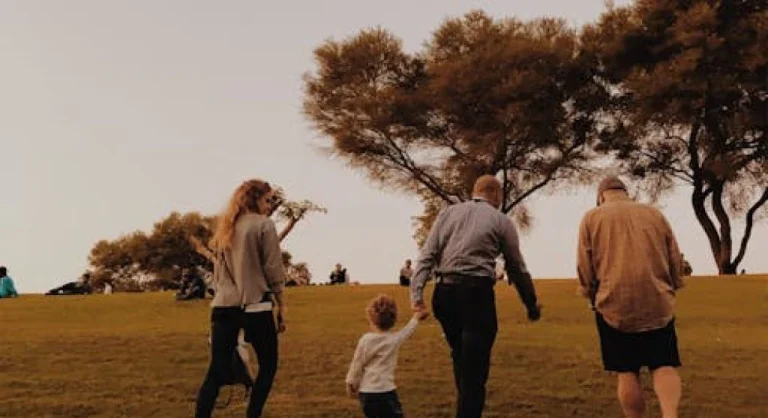
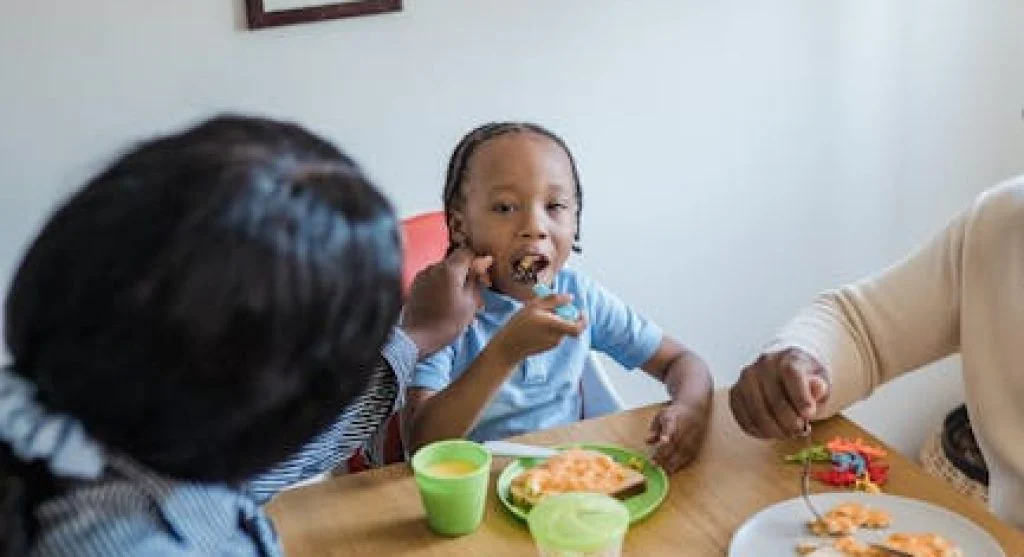
Families often put a lot of energy into birthdays, holidays, vacations, and other big events. These moments can be meaningful, but family relationship specialists often note that children tend to feel especially close during smaller traditions that repeat in everyday life. A weekly pancake breakfast, a bedtime reading routine, a Saturday walk, or a familiar evening game may seem simple, yet over time they can carry strong emotional meaning.
This matters because children usually build closeness through repetition rather than occasional intensity. A big event may be exciting, but a repeated tradition quietly shows that shared time is part of daily life, not just something saved for special occasions. In many families, that steady message becomes a key part of how children experience belonging and connection.
Simple traditions usually feel more predictable to children
Children often feel more at ease during activities they can anticipate. Simple family traditions tend to follow familiar patterns, involve the same people, and carry a consistent emotional tone. That predictability allows children to settle into the experience instead of using energy to adjust to something new. When the setting feels known, they often have more space to enjoy being with others.
Child development specialists often point out that predictability supports emotional safety. When children know what to expect, they approach the moment with less uncertainty and more openness. This can make the experience feel warmer and more meaningful than larger events that bring new expectations or unexpected changes.
Repeated traditions build closeness through return
Part of what makes simple traditions powerful is that they come back again and again. Each time a family returns to the same breakfast, walk, meal, movie, or routine, the child experiences connection in a familiar way. Over time, that repetition often matters more than the scale of the activity itself.
Family relationship experts often explain that closeness grows through shared experiences that repeat. Children don’t just remember what the family did they remember that the family kept coming back to those moments together. That sense of return helps build a feeling that connection is steady and dependable, not occasional.
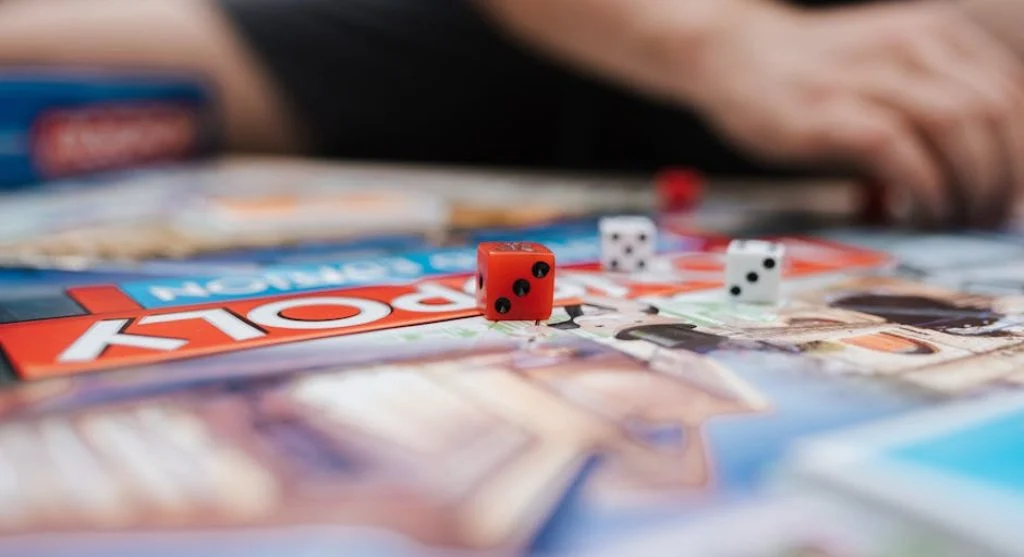
Credit: RDNE Stock project / Pexels
Big events often bring more pressure than children need
Large celebrations and special occasions can sometimes carry more pressure than they appear to. Adults may feel responsible for making the moment memorable, managing schedules, coordinating details, or handling busy, crowded settings. Children can pick up on that pressure or feel overwhelmed by the noise, pace, and intensity.
Family specialists often note that simple traditions feel closer in part because they place fewer demands on everyone involved. Without the need to make something “special,” families often become more emotionally available to one another. In many cases, connection grows more easily in environments that feel calm and unforced.
Children often feel more included in small traditions
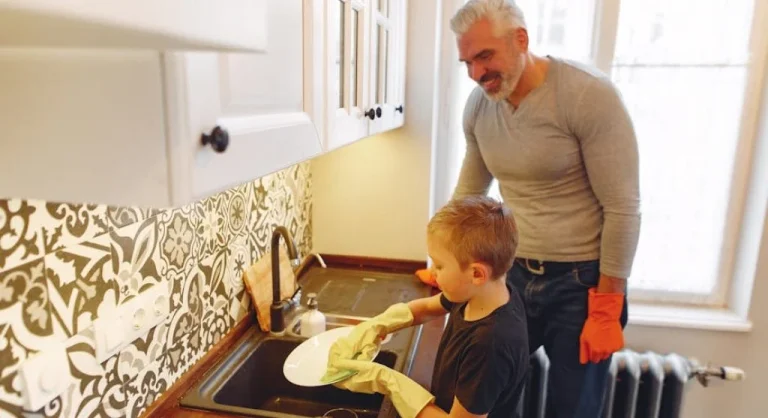
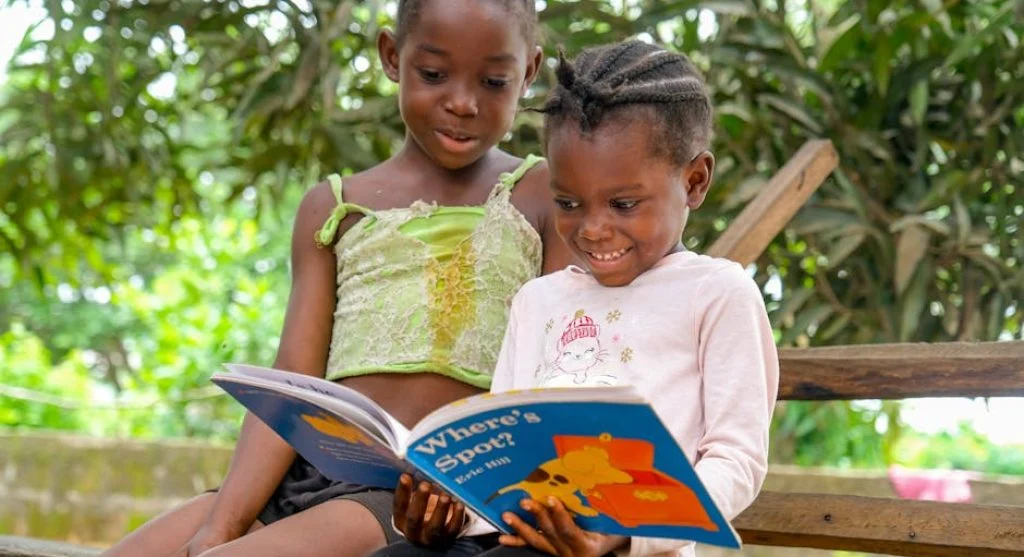
Simple traditions also tend to give children a more active role. They might stir batter, help set the table, choose a story, carry a flashlight on a walk, or pick the game for the evening. These small contributions help children feel like participants rather than observers.
Credit: August de Richelieu / Pexels
Development specialists often point out that a sense of belonging deepens when children are included in the process of family life. When they take part, the tradition starts to feel like something that belongs to them as well. This often makes the experience more personal and meaningful than events where everything is managed by adults.
Closeness often grows in familiar, low-pressure conversation
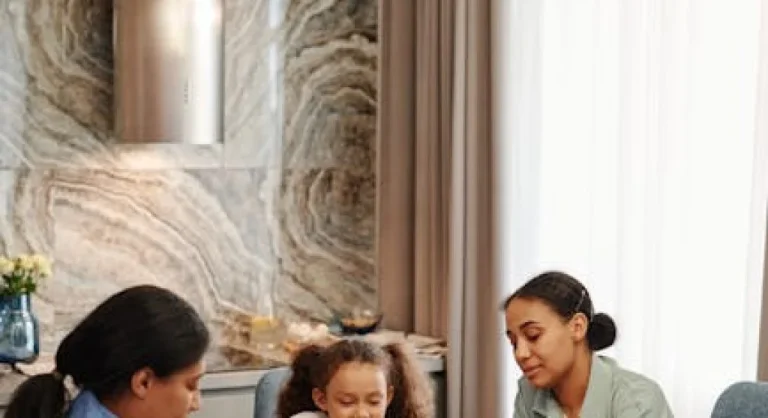
Children often open up most easily in relaxed, familiar settings. Simple traditions naturally create that kind of space. During a regular meal, walk, or game, children may talk more freely because there’s no pressure to perform or make the moment perfect. The activity keeps everyone together while allowing conversation to unfold naturally.
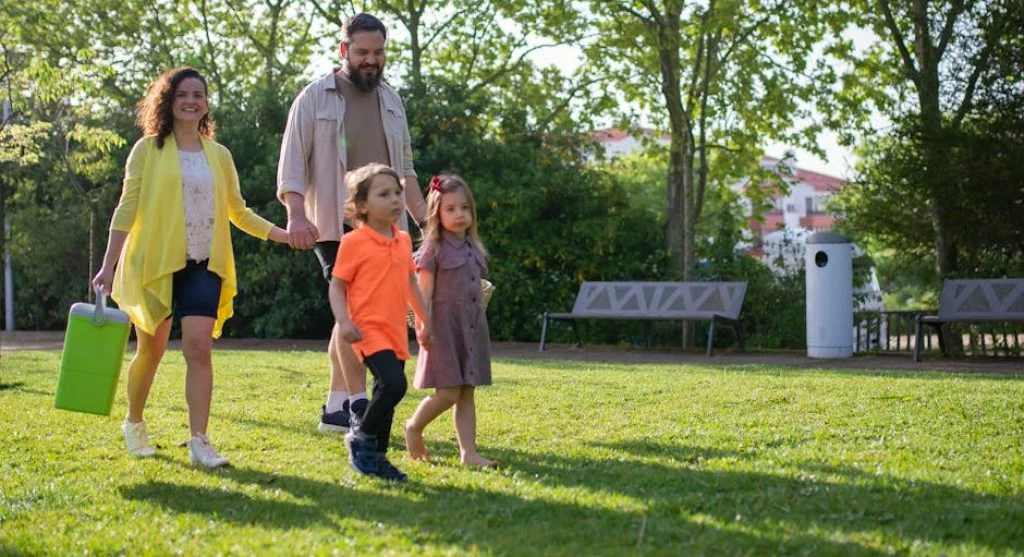
Family communication experts often explain that closeness usually develops through these everyday interactions rather than through occasional “big” conversations. A child who talks during a weekly breakfast or along a familiar walking route may gradually build a strong sense of connection without anyone needing to force it.
Credit: August de Richelieu / Pexels
Simple traditions help children understand family identity
Children often learn what family life means through repeated experiences. When a family reads together before bed, goes on the same Sunday outing, or cooks a familiar meal each week, those patterns quietly shape how the child understands togetherness. Over time, these routines become part of how the child sees their family.
Family psychology experts often describe traditions as part of a shared identity. Children may not think of it in those exact terms, but they feel it. A repeated tradition sends a steady message: this is something we do together. That sense of return can strengthen connection in ways that one-time events often cannot.
Meaning often comes from consistency, not size
Adults sometimes expect closeness to come from big efforts, but children often experience it through what happens regularly. A small tradition that repeats can carry more meaning than a large event simply because it’s dependable. Consistency makes connection part of everyday life instead of something tied only to special occasions.
In many homes, children feel closest during simple traditions because they are familiar, repeated, and easy to settle into. Over time, the activity itself matters less than the feeling it creates. That’s often why these small, steady moments stay meaningful long after they happen.