Why Children Often Stop Playing Independently When Screens Become the Easy Option
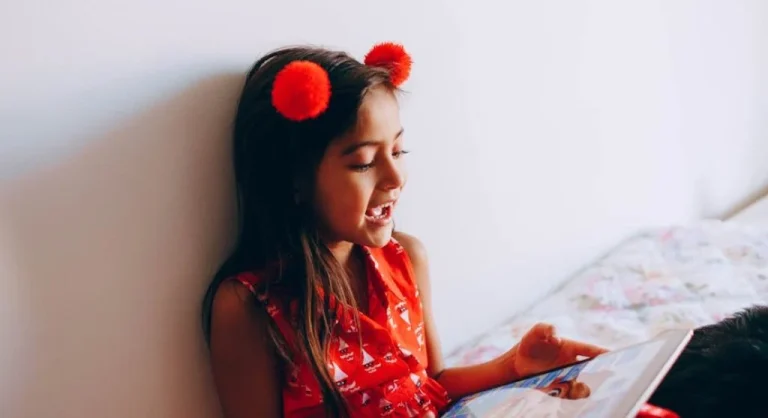
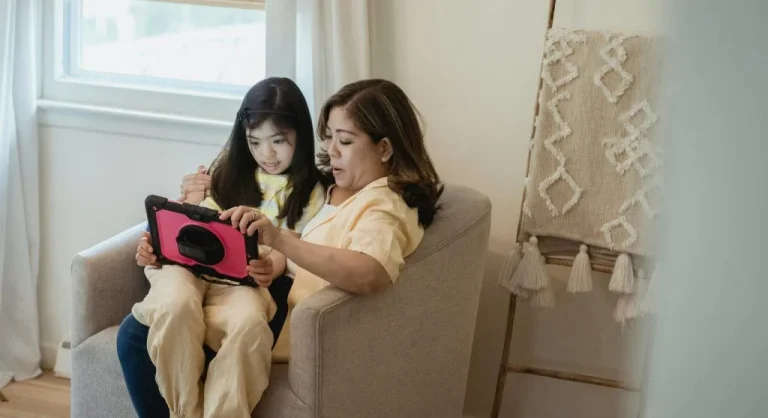
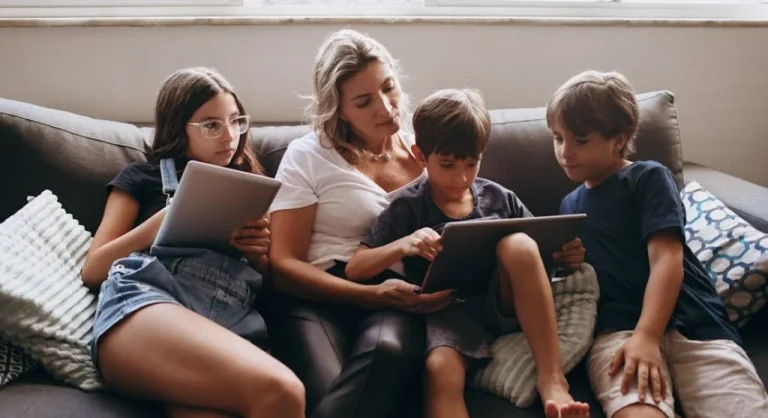
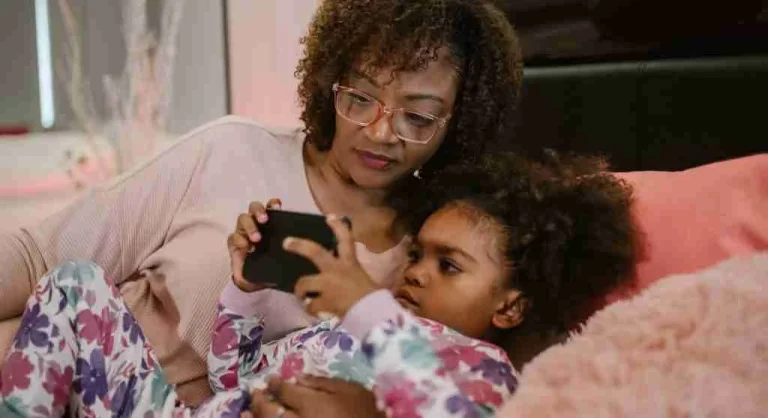
Many families notice a pattern that develops gradually rather than all at once. A child who once moved easily into blocks, pretend play, drawing, or other simple independent activities begins asking for a screen much sooner than before. Over time, free moments that used to lead naturally to play can turn into repeated requests for a tablet, television, phone, or game. Child development and family media specialists often note that children may drift away from independent play when screens become the easiest option, because screens provide instant stimulation, structure, and reward with far less effort than self-directed play requires.
This matters because independent play supports more than just keeping children occupied. Development guidance often connects self-directed play with problem-solving, attention, imagination, frustration tolerance, and emotional flexibility. When screens become the default response to every open moment, children may have fewer chances to practice the internal skills that help play get started and continue. In many homes, the issue is not that children have lost the ability to play, but that the easier option is replacing the slower one before play has time to take shape.
Independent Play Usually Requires More Internal Effort Than Screens
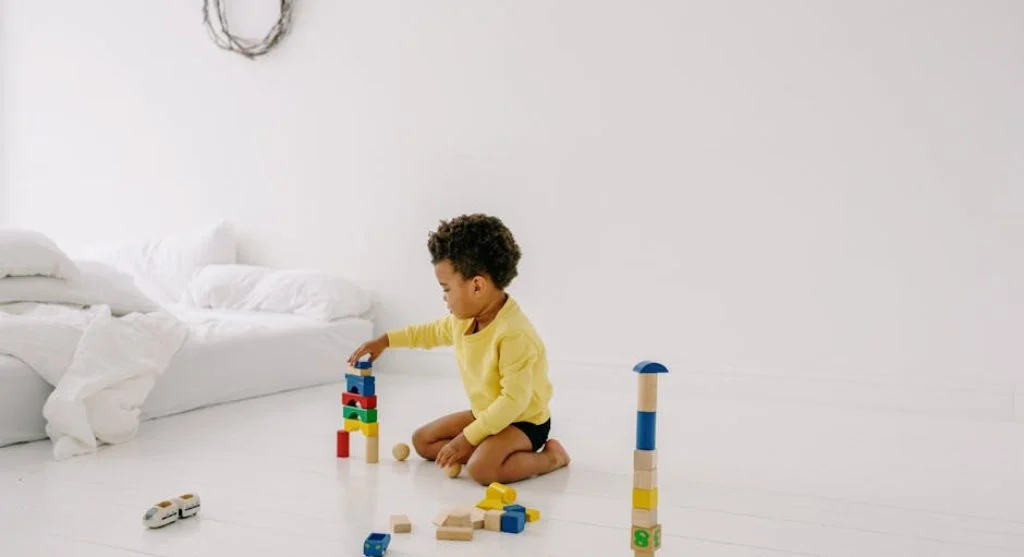
Children do not move into independent play by accident. Even when it looks effortless from the outside, it often requires the child to decide what to do, gather materials, imagine a scenario, stay engaged, and work through small frustrations. These steps use attention, planning, and emotional energy. A screen removes most of that effort by offering something ready-made, already organized, and immediately engaging.
Family media specialists often point out that this difference in effort matters. If a child can reach for a device that instantly fills time, they may become less inclined to go through the slower process of building play from the ground up. This does not mean the child has lost imagination it usually means the path into play feels more demanding compared to the ease of media.
Screens Often Fill the Space Where Boredom Would Have Turned Into Play
Many types of play begin after a short period of not knowing what to do. That pause can look like boredom, wandering, complaining, or shifting between ideas. Adults sometimes see this phase as unproductive, but child development specialists often note that it is a natural part of how independent play begins. Children often need time to sit with that uncertainty before ideas start to form.
When screens are offered or requested as soon as boredom appears, that in-between stage disappears. The child no longer has to move through uncertainty toward creativity because the device solves the problem immediately. Over time, this can leave children with less practice in tolerating the small discomfort that often comes before meaningful independent play.
Play Usually Starts More Slowly Than Digital Entertainment
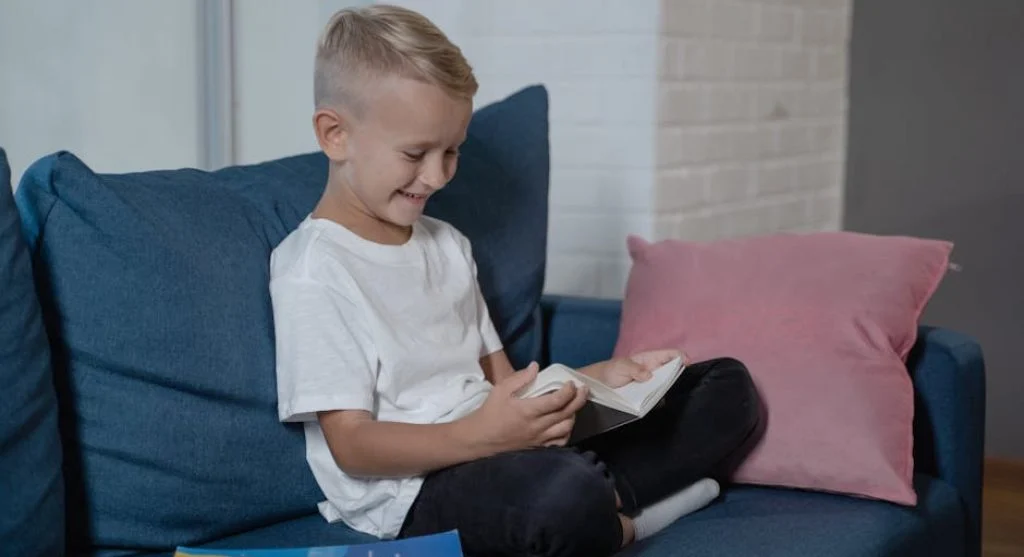
Independent play often begins in a quiet, gradual way. A child might pick something up, put it down, wander for a moment, then come back and slowly build an idea or game. Screens operate very differently. They start instantly, with movement, sound, rewards, and constant novelty. When children get used to that quick pace, play can feel slow in comparison.
Development specialists often note that this slower start is not a weakness of play it is part of how it naturally works. The challenge appears when children begin to expect all enjoyable activities to feel immediately engaging. In that situation, a toy bin, book basket, or pretend-play setup may seem less appealing, not because it lacks value, but because it requires patience before it becomes rewarding.
Independent Play Depends on Practice, Not Just Personality
Some children may naturally move into solo play more easily than others, but experts often emphasize that independent play is also shaped by routine and opportunity. Children typically get better at playing on their own through repeated experience. They learn how to begin, how to stay engaged, and how to recover when interest fades. If screens regularly fill open moments, children may simply get fewer chances to build those skills.
This helps explain why a child may seem more dependent on devices over time, even if daily screen use does not appear excessive. The effect can be cumulative. Each time a screen fills a gap that play could have filled, the child misses another opportunity to strengthen independent play habits. Over time, that pattern becomes more noticeable.
Fatigue and Overstimulation Can Push Children Toward the Easier Option
Children often ask for screens most strongly when they are tired, emotionally stretched, or coming off a busy day. In those moments, the effort required for independent play can feel too high. A child who could easily build with blocks in the morning may ask for a device after school because their energy is lower and the easier option is more appealing.
Child behavior specialists often point out that this does not mean screens are always the issue it highlights how much context matters. The same child may play independently quite well when rested and struggle more when depleted. When families notice this pattern, they often see that reliance on screens is not only about preference but also about energy level and emotional state.
Environment Often Shapes Whether Play or Screens Happen First
Children usually move toward whatever is easiest to notice and begin. If a device is visible, charged, and always within reach while play materials are harder to access, disorganized, or require adult setup, screens may win before play has a real chance. On the other hand, toys, books, art supplies, or building materials that are easy to see and simple to start can encourage more independent activity.
Family routine experts often emphasize that the environment quietly guides behavior. Children do not always make a deliberate choice between play and screens they often follow the option that takes the least effort in the moment. This is why setup matters so much in homes that want to support independent play.
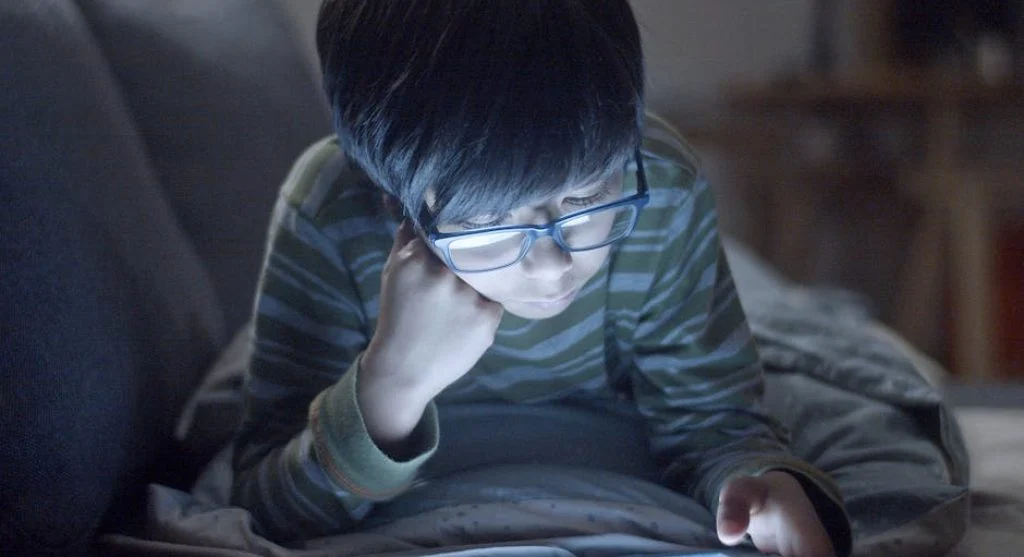
Credit: Atlantic Ambience / Pexels
Children Often Return to Play When the Gap Is Protected Long Enough
In many homes, children do not lose the ability to play independently for good. What they often need is enough time and enough protected, screen-free space for play to reappear. At first, a child may complain of boredom, wander around, or keep asking for a device. If that open space stays consistent and manageable, play can gradually return. The shift is not always immediate, as the child may need time to rediscover how to move into self-directed activity.
Development specialists often note that this relearning process is completely normal. When independent play comes back, it is not always dramatic. It may begin with short periods, simple activities, or familiar materials. Over time, these smaller moments can grow longer and more engaging as the child gains more practice choosing and sustaining play without a screen stepping in first.
Screen Balance Often Improves When Play Has Room to Grow Again
Children often move away from independent play when screens become the easiest option, offering quick structure while play requires slower internal effort. That does not mean screens and play cannot exist together. It means families often need to protect enough screen-free time, make it easier to start play, and give children space to work through the boredom that can come first.
In many homes, independent play becomes stronger again when the environment, routines, and daily rhythm no longer make screens the default answer to every open moment. As play begins to feel more natural and familiar, screens often lose some of their pull as the automatic first choice.