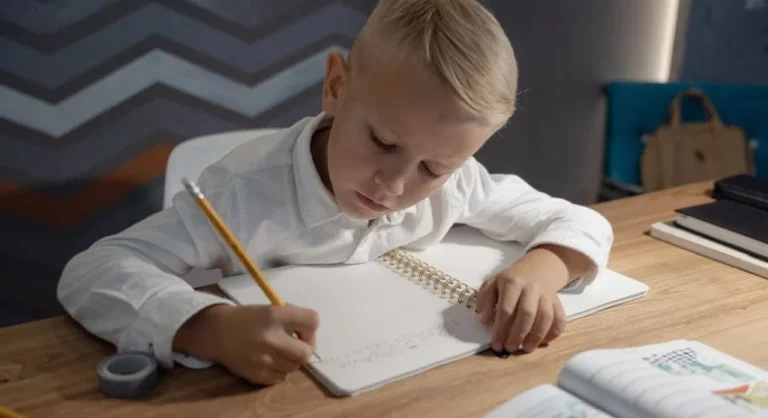

Why Children Often Do Better When Evening Routines Start Before Bedtime
Many families treat bedtime as something that starts when pajamas come out or the lights begin to dim. In reality, child development specialists often note that how bedtime goes is shaped much earlier in the evening. Children tend to do better when evening routines begin well before bed, allowing the whole late-day rhythm to gradually slow down. When the hours leading up to bedtime feel rushed, unpredictable, or overly stimulating, children often have a harder time settling, listening, and moving calmly toward sleep.
This matters because bedtime resistance is usually influenced by everything that comes before it. Dinner timing, screen use, homework flow, activity levels, cleanup, emotional tension, and the overall pace of the evening all play a role in how bedtime feels. Family routine experts often explain that children handle the end of the day more smoothly when the evening follows a clear, visible structure rather than ending with a sudden push toward sleep. In many homes, calmer nights begin long before the first bedtime reminder.
Children Often Need Time to Shift Out of Daytime Energy
Children don’t always transition easily from active daytime energy into a quieter, more settled state. After a full day of school, play, social interaction, errands, sports, or screen time, they often need space to wind down. If bedtime is the first point where everything is expected to slow, the child may still be carrying too much momentum from the day.
Child development specialists often point out that transitions tend to work best when they happen gradually. Just as children need time to ease into school or dinner, they also need time to ease into sleep. When the evening begins to slow down earlier, bedtime itself feels less abrupt and less emotionally charged.
A Rushed Evening Often Makes Bedtime Feel Harder
Many bedtime struggles start because the hours before bed feel packed and pressured. Families may be trying to finish homework, eat dinner, clean up, respond to messages, manage sibling needs, and get everyone ready for bed in a short span of time. In that kind of environment, bedtime can start to feel like just another demand rather than a natural end to the day.
Family routine experts often note that children are highly sensitive to the overall atmosphere. When the evening feels hurried or tense, children may become more dysregulated, less cooperative, or more emotionally reactive by the time bedtime arrives. In many homes, what looks like resistance at bedtime is often the result of late-evening overload building up throughout the night.

Credit: RDNE Stock project / Pexels
Predictable Evening Structure Can Lower Emotional Friction
Children often cooperate more easily when they can recognize how the evening will unfold before bedtime begins. When dinner, cleanup, bath time, quieter play, reading, and lights out happen in a familiar sequence, children have a clearer sense of where the day is heading. This predictability can ease tension because bedtime no longer feels like a sudden interruption.
Development guidance often suggests that children depend on repeated patterns to feel secure. A consistent evening routine provides a kind of roadmap, helping them understand what comes next. In many families, this sense of structure matters more than expected. It reduces the need for constant reminders and helps children move toward bedtime with less confusion.
Screen Use Late in the Evening Can Make the Shift Harder
One reason evening routines work better when they start earlier is that late screen use can make the transition to bedtime more difficult. A child who goes straight from an engaging screen to brushing teeth or turning off the lights may struggle because their attention and energy are still tied to the device. The challenge isn’t just the content—it’s the sharp shift from stimulation to quiet.

Credit: Werner Pfennig / Pexels
Family media specialists often point out that timing matters as much as total screen use. When there’s a clear screen-free period before bed, children usually have more room to shift their focus, settle emotionally, and accept calmer activities. This often makes the final steps of bedtime feel smoother and less abrupt.
Children Often Use Bedtime to Release Feelings From the Day
Evenings are often the first truly quiet part of the day, and that quiet can bring out feelings children have been holding in. A child may suddenly become silly, clingy, worried, argumentative, or emotional right before bed. In many cases, bedtime itself isn’t the cause—it’s simply when those feelings have space to surface as everything slows down.
Child behavior specialists often note that earlier, calmer evening routines can help children unwind more gradually. Things like relaxed dinner conversation, consistent cleanup habits, quiet play, reading, or a slower overall pace give children time to process the day bit by bit, instead of arriving at bedtime already overwhelmed.

Credit: Werner Pfennig / Pexels