Why Children Often Remember Repeated Family Outings More Than Big Trips
Families often place a great deal of emotional importance on vacations, special outings, and once-a-year experiences. Those moments can certainly matter, but family relationship specialists often note that children tend to hold onto smaller, repeated outings just as strongly sometimes even more so. A familiar park visit, a regular weekend walk, a simple stop for a treat, or a routine trip to the library may not seem remarkable at first, yet these experiences often become closely tied to how children feel connection and belonging.
This matters because adults sometimes assume that meaningful family memories come from big events. In reality, children often build lasting emotional memories through repetition, predictability, and shared time that feels easy to return to. Over time, these repeated outings can become part of a family’s identity in a way a single large trip may not, simply because the child experiences them again and again.
Repeated Outings Often Feel More Familiar and Secure
Children naturally respond to familiarity. When a family visits the same place regularly, the child begins to recognize the setting, anticipate what will happen, and feel more at ease. That sense of familiarity often creates comfort, allowing the child to focus less on adjusting and more on enjoying the time together.
Child development specialists often point out that emotional security strengthens connections. A repeated outing can feel especially meaningful because it blends the comfort of the familiar with the warmth of shared family time. That combination often helps the experience become a lasting emotional anchor.
Children Often Build Memory Through Repetition
Another reason repeated outings stay so vivid is that memory strengthens with repetition. A one-time trip may feel exciting, but a repeated outing gathers meaning each time it happens. The child begins to associate the place not just with a single event, but with an ongoing pattern of family life.
Family psychologists often explain that repeated experiences are stored differently in memory than one-time events. The child isn’t just remembering what happened they’re remembering how it felt to return there together. That repeated emotional connection is what helps these memories last.
Credit: Ihsan Adityawarman / Pexels
Simple Outings Often Leave More Room for Real Interaction
Large trips can be exciting, but they often come with planning, schedules, crowds, and a lot of stimulation. Smaller, repeated outings usually carry fewer demands. That often leaves more space for conversation, quiet observation, and relaxed time together. Children may feel more comfortable talking, noticing small details, and simply being present when the outing isn’t filled with expectations.
Family communication specialists often point out that connection grows best in settings where people can focus on each other. A familiar walk through the neighborhood or a regular stop at a local spot can create that kind of space more consistently than a busy, highly planned outing.
Repeated Outings Can Become Part of Family Identity
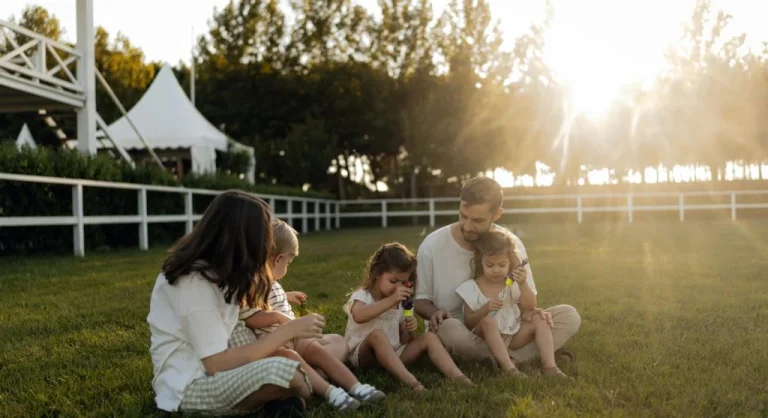
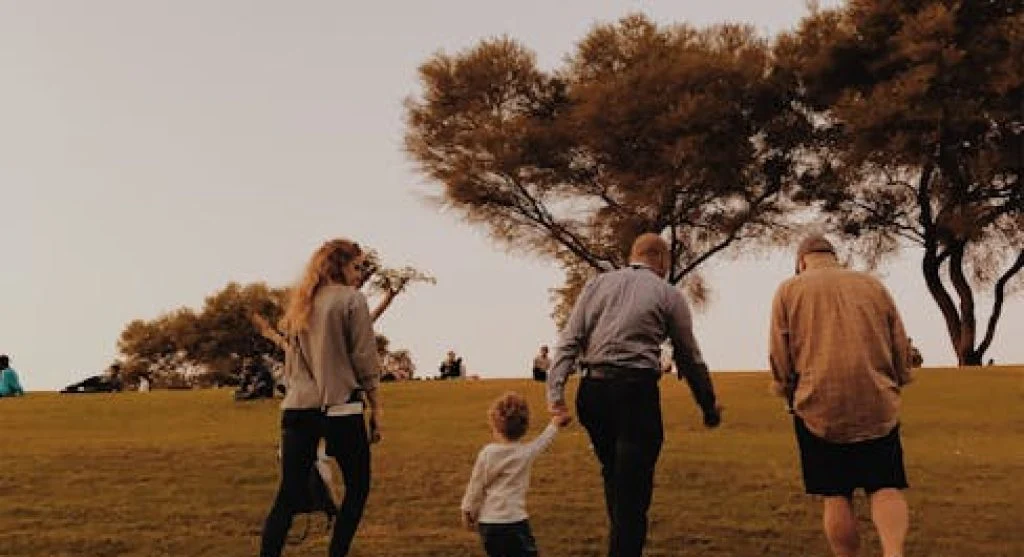
Children often make sense of family life through patterns. Visiting the same park each weekend, walking the same trail every season, or stopping at the same café after an activity can create a rhythm that feels familiar and meaningful. Over time, the outing becomes more than just a place it becomes part of how the child understands their family.
Family routine experts often describe this as a kind of shared family culture. Even if children don’t think about it in those terms, they still absorb the meaning. The repeated outing quietly communicates, “This is something we do together,” and that message can carry lasting emotional weight.
Smaller Outings Are Often Easier to Repeat and Sustain
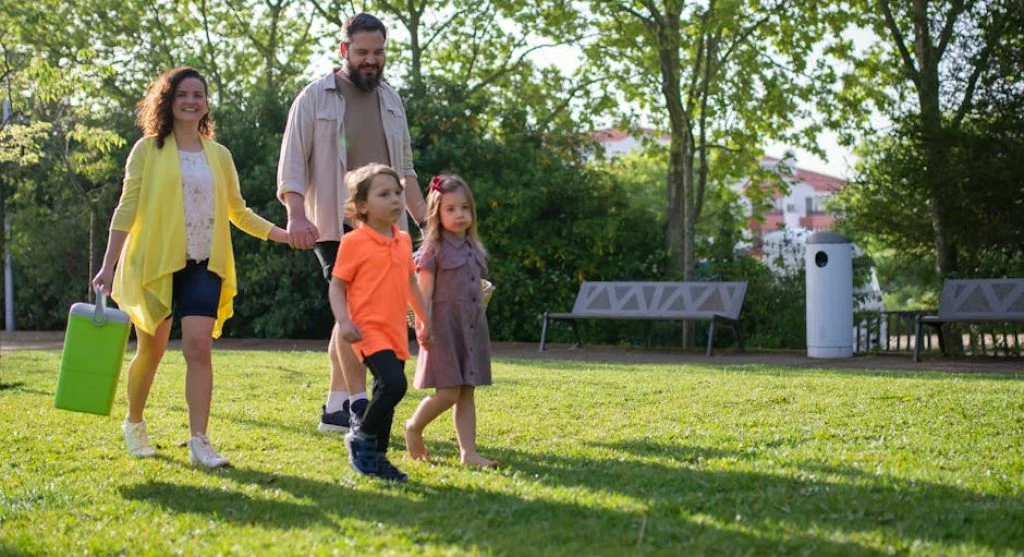
One of the most practical reasons repeated outings matter is that they fit more easily into everyday life. They usually require less planning, less expense, and less energy. Because they’re easier to repeat, they have more opportunities to become a regular part of family life.
Family relationship specialists often note that meaning tends to grow through what families can keep doing over time. A big trip may be memorable but rare. A smaller outing that happens regularly can shape childhood memories more deeply because it becomes part of the ongoing experience of being together.
Credit: RDNE Stock project / Pexels
Children Often Remember the Feeling of Return
Repeated outings offer something that one-time trips rarely can the feeling of coming back. Returning to the same place helps children experience continuity over time. They begin to notice seasons changing, recognize their own growth, and feel the steady presence of family around them. This sense of return often gives the outing a deeper meaning beyond the activity itself.
Development specialists often explain that children build security through experiences that repeat in familiar ways. A regular outing supports that feeling by making family life feel stable and predictable. Over time, the child remembers not just what happened there, but also the comfort of knowing the experience would come again.
Big Trips Can Matter Too, but Repetition Often Gives Small Outings More Staying Power
Large family trips can certainly be meaningful, and many children remember them fondly. But repeated outings tend to carry a different kind of significance. Their impact comes less from how big they are and more from how often they are part of everyday life.
Children often remember repeated family outings more deeply because those experiences build a sense of comfort, identity, and dependable togetherness. In many families, it’s the smaller outing that keeps returning not the one-time event that leaves the strongest and most lasting impression.