Why Children Often Resist Getting Ready and What Usually Helps
Families go through the process of getting ready a lot! Kids often don’t want to put their shoes on, change what they’re wearing, brush their teeth, or go out the door, and this happens even though they do it all the time. Many adults find this opposition odd, as the things we ask them to do are something they’ve done before and seem simple. But experts in how children grow usually say that “getting ready” isn’t a single thing for a child. It’s a bunch of changes, things to do with their body, and feelings to deal with all at the same time.
If we understand why children are difficult about getting ready, we can help them with more sensible rules and be less annoyed. Often, it isn’t just that they don’t want to. It’s that they’re having to move from what they’re doing to something else, and at the same time, they need to pay attention, remember things, and get help from an adult. If families look at getting ready as something kids develop with time, not as a matter of just obeying, then things will usually be much smoother.
Getting Ready Usually Means Stopping Something Else
Kids are very often told to get ready for something while they’re in the middle of doing something else. Maybe they’re playing, relaxing, reading, having a snack, or just doing things more slowly than their mom or dad wants. Because of that, being asked to do something else doesn’t feel like a normal request. In fact, it usually feels as though they’re being broken into. Experts in child development say that changes in activity are a huge source of stress for children, and this is especially true if they have to stop something they’re enjoying or are used to.
This explains why a child might push back even when the next thing is something they do all the time. It isn’t necessarily the shoes, the toothbrush, or the coat that a child is protesting. They’re likely responding to the need to stop what they were doing. And when parents realize this, what looks like a child flatly refusing something is often just a struggle with the change itself.
Many Steps Are Hidden Inside One Simple Request
When grown-ups say “get ready,” we generally think of it as a single thing to do. But for a kid, that little sentence is probably a bunch of different things! It could mean going to the toilet, locating socks, deciding what to wear, getting shoes on, doing their hair, getting a bag packed, and then going for the door. A child who appears to be slow or is putting up a struggle might actually be trying to get a lot of steps in order, and for them, it’s a big and complicated process.
Lots of advice about how children grow and learn says that doing several things in a row requires a lot of effort from their memory and focus. A child might understand each step of what to do, but still find it hard to keep the entire order of events in their head. This is often why things go more smoothly at home when you break down these routines into smaller, obvious steps, instead of giving one big instruction.
Physical Independence Develops Gradually
Being ready for things involves certain physical skills which are still developing. Coordinating and planning what to do with buttons, zippers, socks, shoelaces, toothpaste and brushing their hair are all important. A child might want to do things by themselves but get annoyed or tired by one or more of these things. And when they’re annoyed, they might be slow, refuse to do it or get upset.
Those who specialize in child development frequently point out that children become independent at different rates. So a child might be able to do one part of something perfectly well but still need assistance with the next. Families usually have more success when they expect a child to do only what they can physically manage right now, and don’t expect the entire process to be smooth from beginning to end.
Rushed Timing Often Increases Resistance
Kids generally have a harder time with getting ready if the adults in their lives are already stressed or behind schedule. A parent’s anxious voice, being told to do things over and over, and an adult’s obvious rushing make the normal routine feel much heavier emotionally. Because of all that extra pressure around it, things they’re used to doing can even be harder for a child, and they’re not just dealing with what they have to do.
Experts on family routines say that being prepared and how long things are allowed to take are as important as telling a child what to do. In a chaotic, speedy home, children might actually be slower, get off track, or fight back more. And this leads to a frustrating circle: the more the adult hurries, the more the child resists, and the more the child resists, the more the adult hurries. But often, just shifting things around a little timing-wise is enough to break that cycle.
Children Often Cooperate More With Predictable Sequences
Kids do better with getting ready when they know what comes in what order – first the bathroom, then clothes, breakfast, shoes, and their bag. Knowing the order of things like this cuts down on confusion and lets them guess what’s coming. Eventually they’ll get to know the steps so well you won’t have to tell them as much.
This set way of doing things is generally easier for children than being told something different each day. When the order is different every time, they’re constantly having to stop and figure out what they’re supposed to do. A predictable order gives the routine a clear shape, and it’s easier on their brains to go through it.
Adult Presence Often Helps More Than Repeated Reminders
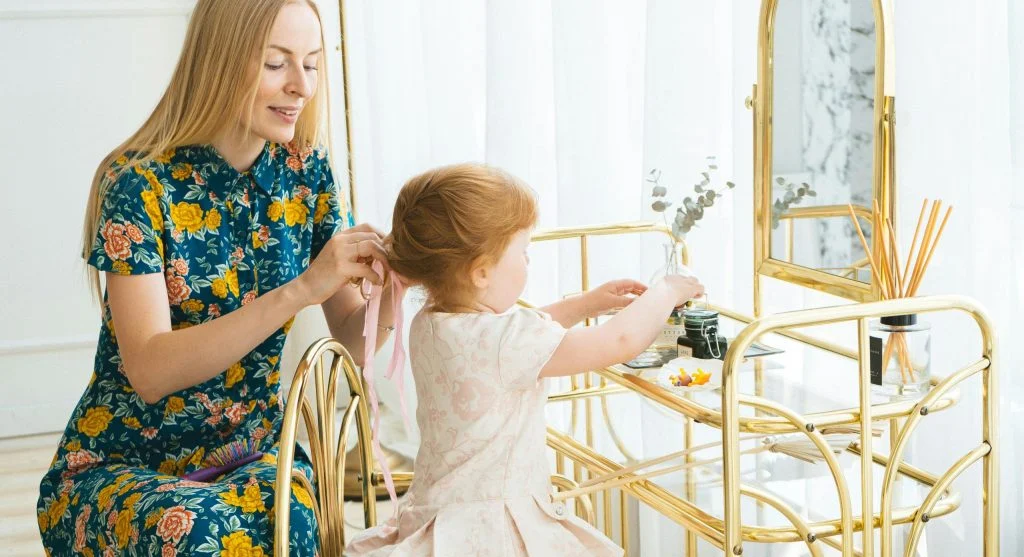
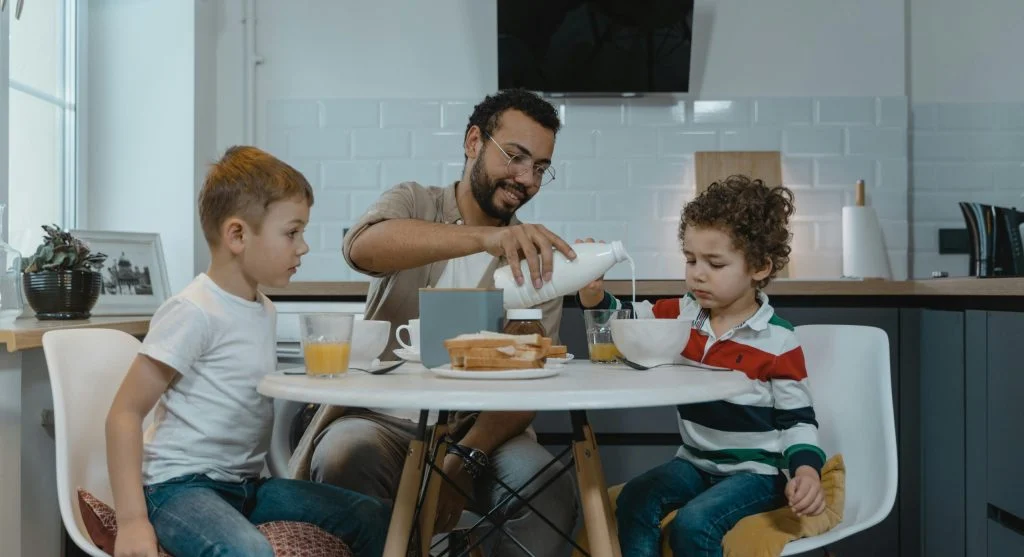
Often, families ask a child to get ready by calling out instructions from another room. But surprisingly, kids are usually more cooperative when a grown-up is right there with them and participating. Being physically near offers what’s called co-regulation, direction, and a more focused approach to a process that can easily feel all over the place. And this isn’t to say the adult has to do everything; children are generally better at handling the routine when help is near enough to keep things on track.
Specialists in children’s behaviour frequently find that having support close by can minimize stalling, getting sidetracked, and things building to a meltdown. Plus, when a calm adult is present, it’s much easier to tell if a child is deliberately refusing, or if they are just having trouble with a specific part of what they’re supposed to do. Understanding this difference often determines how the family reacts and how fast the child will get going.
Resistance Usually Becomes Smaller With Practice and Structure
It’s pretty typical for morning or bedtime difficulties to not just vanish suddenly. Kids will likely get better at getting ready slowly, as doing things in the same order becomes second nature, their abilities become easier for them, and the family has a more predictable way of doing things. How well the routine happens on any specific day can still be thrown off by tiredness, being hungry, being overstimulated, or plans changing. This up and down pattern is perfectly normal, and it doesn’t mean they aren’t making headway.
For most families, the biggest steps forward happen because of doing the same thing over and over, not because of trying harder to get them to. When families have fewer unexpected things happen, expect things from children that are appropriate for their age, and have the routine in a place where everyone can see it and it doesn’t shift much, getting ready is often easier to deal with emotionally and generally becomes simpler as time goes by.
Key Takeaway
Kids typically don’t want to start getting ready because it means they have to quit what they’re doing, do a lot of different things in order, and do things they’re still learning. Usually, it’s when you switch from one thing to another, how much time you have, and how the whole getting ready process is set up, that makes them push back, not just that they don’t want to. Things go more smoothly for families when getting ready happens the same way each time, is divided into smaller bits, and a grown-up is there being calm. And as time goes on, doing things in the same order over and over usually makes getting ready easier and causes fewer arguments.