Why Children Often Need Repetition Before New Skills Start to Stick
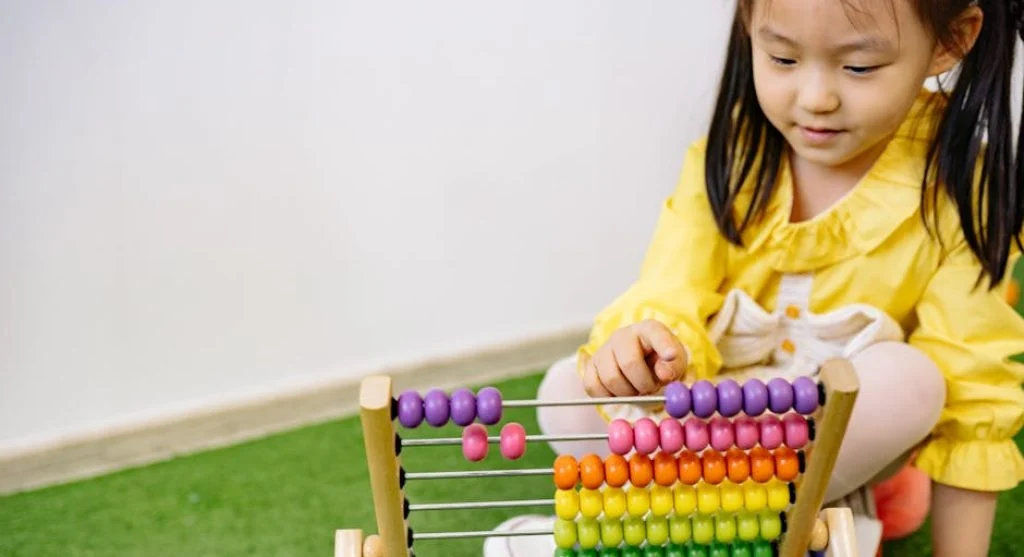
Lots of mums and dads are surprised by how many attempts a child needs to get something completely right. For example, they may be able to zip their coat, do two things one after the other, share during playtime, or even tidy their toys, and then struggle with the very same thing the next day. Child development specialists say this is perfectly normal. We ourselves rarely learn anything and have it stay with us after one explanation or a single attempt. Young children improve at most things by repetition, by having many small opportunities to use the ability in their daily routine. This matters because adults will often assume a child isn’t putting in effort when they aren’t doing something consistently. However, the child is usually not being difficult, they are in the process of building that link in their brain which changes knowing about something into being able to actually do it, and do it every time. Guidance from experts and research in education both demonstrate that lots of practice helps children to connect memory, concentration, physical ability, and believing in themselves until the skill becomes much more instinctive.
Understanding a Skill Is Not the Same as Using It Reliably
Lots of mums and dads are surprised by how many attempts a child needs to get something completely right. For example, they may be able to zip their coat, do two things one after the other, share during playtime, or even tidy their toys, and then struggle with the very same thing the next day. Child development specialists say this is perfectly normal. We ourselves rarely learn anything and have it stay with us after one explanation or a single attempt. Young children improve at most things by repetition, by having many small opportunities to use the ability in their daily routine. This matters because adults will often assume a child isn’t putting in effort when they aren’t doing something consistently. However, the child is usually not being difficult, they are in the process of building that link in their brain which changes knowing about something into being able to actually do it, and do it every time. Guidance from experts and research in education both demonstrate that lots of practice helps children to connect memory, concentration, physical ability, and believing in themselves until the skill becomes much more instinctive.
Repetition Supports Memory and Recall
Lots of mums and dads are surprised by how many attempts a child needs to get something completely right. For example, they may be able to zip their coat, do two things one after the other, share during playtime, or even tidy their toys, and then struggle with the very same thing the next day. Child development specialists say this is perfectly normal. We ourselves rarely learn anything and have it stay with us after one explanation or a single attempt. Young children improve at most things by repetition, by having many small opportunities to use the ability in their daily routine. This matters because adults will often assume a child isn’t putting in effort when they aren’t doing something consistently. However, the child is usually not being difficult, they are in the process of building that link in their brain which changes knowing about something into being able to actually do it, and do it every time. Guidance from experts and research in education both demonstrate that lots of practice helps children to connect memory, concentration, physical ability, and believing in themselves until the skill becomes much more instinctive.
Credit: Yan Krukau / Pexels
Practice Helps Skills Become More Automatic
Repeating something isn’t just about remembering it. It also makes doing it a lot easier on the brain. At first, when a kid is learning something, they have to consider each individual part of it. This can make even a little thing happen in a jerky or unpredictable way. But as they do it over and over, those parts flow into each other, and they don’t have to actively think about each one. Child development specialists frequently point out that automaticity is a crucial piece of learning. When kids don’t have to start from scratch every single time, a skill is much simpler to manage. And repetition is what brings about this change, gradually turning a difficult, concentrated effort into something calmer, more reliable and simply…happening.
Children Need Practice in More Than One Setting
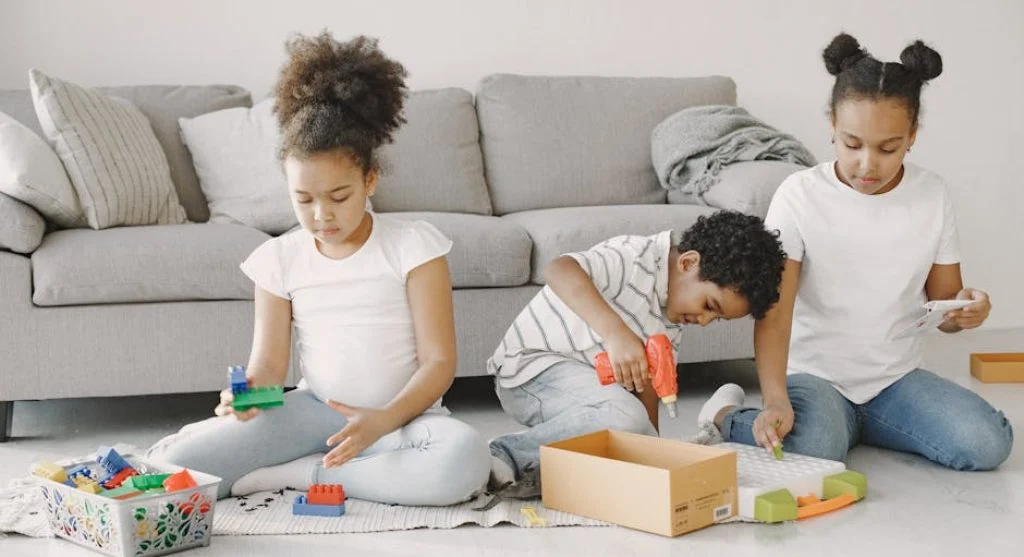
Kids often seem to do things one time, but not another, and a big part of that is that knowing how to do something in one place doesn’t automatically mean they can do it in a different place. For instance, a child might be able to recall a routine perfectly at home, but completely blank on it at school. Or they might be good at being patient with a grown-up during a game, but get much more frustrated when playing with their brothers and sisters. This doesn’t mean they didn’t learn the skill in the first place. Instead, it shows the skill is still becoming something they can rely on in any situation.
Those who study how kids grow say children need to do something over and over, in lots of different situations, before it feels solid for them. By doing something repeatedly in different places, kids begin to realize the skill works generally and isn’t only for a specific location or when one particular adult tells them to.
Confidence Often Grows Through Repeated Success
Kids are far more inclined to do something if they believe they can manage it. Doing something over and over provides them with little successes, and these build up. When a child keeps practicing putting shoes on, being patient during a game, or taking plates to the sink, they get more confident each time they finish. And feeling like that will make them more willing to have a go at it the next time. This is important, as when learning, being unsure is normal. Some children don’t like starting new things not because they’re unpleasant, but because the new skill feels a bit shaky. But going over and over something makes it more known, more possible to do, and that gets rid of some of that uncertainty.
Credit: Anastasia Shuraeva / Pexels
Emotions and Fatigue Can Affect How Well Skills Show Up
Kids don’t do things the same way all the time. Being tired, hungry, very excited, stressed, or having too much going on can make something they’ve already learned feel hard again. Parents frequently see their child manage something perfectly one day, then have problems with it the next. This is perfectly typical and doesn’t mean the learning they did previously disappeared. Experts in how children grow and learn say that abilities are easier to lose when a child is exhausted or has too many feelings to deal with. We repeat things because doing something over and over helps it ‘stick’ even when things aren’t perfect. Eventually, with enough practice, a child can do it more easily in lots of different situations.
Steady Repetition Usually Works Better Than Pressure
Things generally go much better for families if going over and over things is peaceful and what everyone anticipates, not stressful and like a test. It’s better to do a routine again, demonstrate how something is done a second time or work on a skill with smaller steps, rather than being annoyed a child hasn’t gotten it immediately. When you push, stress goes up and when you’re stressed, learning doesn’t happen as well. Kids do best when grown-ups see repeating as a normal way to learn, and not as a sign that something’s broken. A skill that needs lots of attempts is still one that is growing. Eventually, with many repetitions, more and more of these things become easy and are done without thinking as part of each day.