
Why Children Often Put Devices Away More Willingly When the Charging Spot Lights Up Before Screen Time Ends
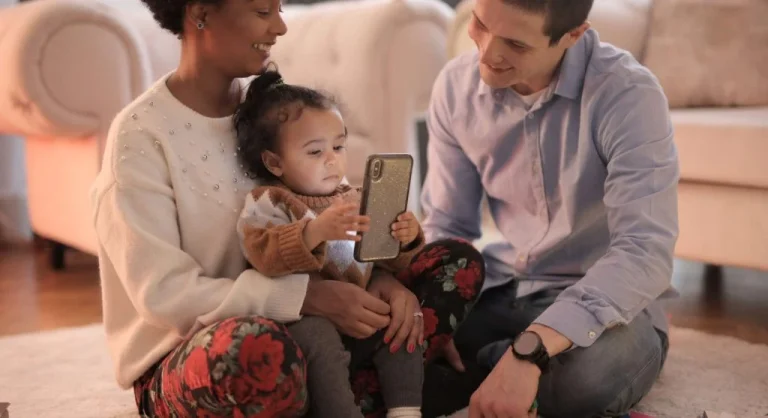
Ending screen time is often harder than parents expect, especially when the device seems to pull a child’s full attention into its world. Adults may give warnings, repeat the same reminder, and still face resistance at the moment the tablet or phone needs to be returned. Family media specialists generally note that children often put devices away more willingly when the charging spot lights up before screen time ends because the transition begins in the environment before it becomes a direct demand. In many homes, the difficulty is not only about giving up the device. It is about the suddenness of the handoff.
This matters because children often manage transitions more smoothly when the next step becomes visible before it becomes mandatory. Development guidance often suggests that a lit charging area, lamp, or other small visual cue can help children prepare for the end of digital time without feeling abruptly cut off. Over time, this can turn putting the device away into a more recognizable routine and reduce the emotional jolt that often comes when screen time stops all at once.
Screen Time Endings Often Feel Abrupt to Children
Adults usually know the broader plan. Dinner is almost ready, homework still needs to happen, bedtime is approaching, or the family needs to leave. Children using a device are often focused on something much narrower: the current game, video, drawing app, or message on the screen. When the adult suddenly says it is over, the child may feel pulled out of one reality and dropped into another without enough preparation.
Child development specialists generally explain that transitions become harder when the child is deeply absorbed in the current activity. In many families, device struggles rise because the stop moment feels like an interruption first and a routine second.
A Lighting Cue Gives the Transition a Visible Beginning
When the charging spot lights up before the device is actually taken away, the ending no longer arrives out of nowhere. The child can see that the next part of the routine is forming. A small lamp, shelf light, or other consistent visual signal creates a sense that something is shifting in the environment. This helps the child move from total immersion toward gentle awareness that screen time is almost done.
Family routine experts generally note that children respond well to cues they can notice with their senses, not only with language. In many homes, the light near the charging station becomes a meaningful sign that the device will soon be returning to rest.
Children Often Accept Endings Better When the Next Step Feels Prepared
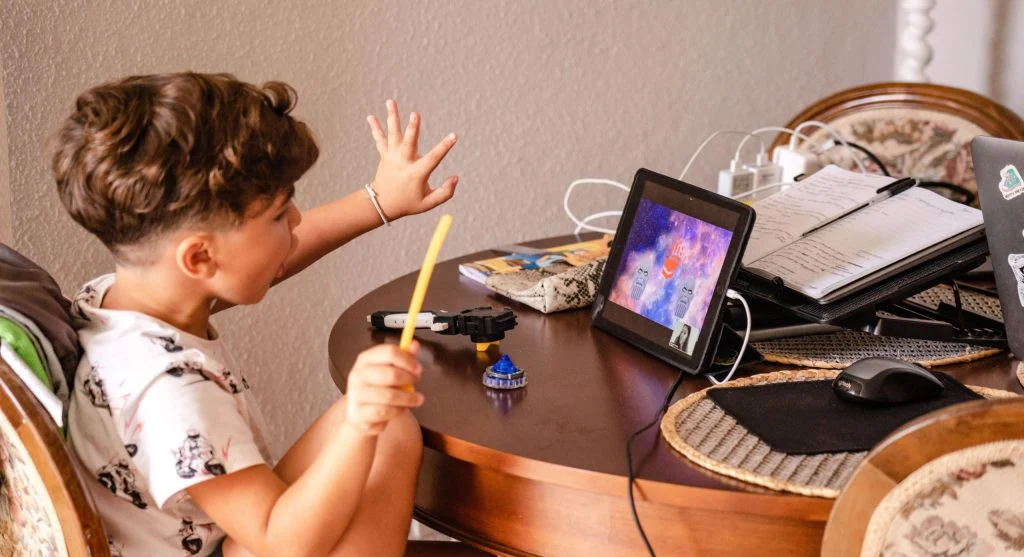
One reason device endings feel tense is that children often experience the limit as something adults suddenly impose. A prepared charging spot changes that feeling slightly. The device is no longer only being removed. It is going somewhere expected. The routine has shape. The destination is ready before the adult reaches for the screen.
Development specialists generally explain that children often cooperate more when the next action looks organized and real. In many homes, the lit charging area helps because it quietly answers the question of what happens next.
The Charging Spot Can Become Part of the Screen-Time Story
Children usually handle routines better when the full sequence makes sense. A device comes from one place, gets used, and then returns to that same place. If the charging area is made noticeable at the right moment, the child begins seeing the end of screen time as part of the whole device cycle rather than as an unrelated interruption. This makes the ending feel more normal and less personal.
Parenting specialists generally note that routines become more effective when the environment supports the rule. In many families, the lit charging spot strengthens the idea that devices have an active phase and a resting phase, and both belong to family life.
Visual Signals Often Reach Children Faster Than More Talking
Parents often rely on repeated verbal warnings because talking feels like the most direct tool available. Yet children already absorbed in a digital activity may not process repeated language very well. A visual cue can often reach them more effectively because it does not compete with the same mental channel as the content on the screen. The child sees something changed before fully hearing another instruction.
Child behavior experts generally explain that some transitions improve when adults add nonverbal support instead of increasing verbal pressure. In many homes, this is why a small lighting cue works better than one extra reminder alone.

Children Often Resist Less When the Handoff Feels Less Personal
When a parent simply walks over and takes the device, the moment can feel like a direct struggle between adult and child. A lighting cue softens that slightly because the transition begins outside the child-parent contest. The environment is participating in the routine. The charging spot is calling the device back, in a sense, before the adult physically ends the session.
Family communication specialists generally note that children often calm faster when boundaries feel routine-based instead of purely person-against-person. In many homes, the lit charging spot helps because it reduces the feeling of sudden confrontation.
This Often Works Best When Repeated Consistently
The emotional power of a cue like this usually comes from repetition rather than novelty. The first time, the light may simply seem interesting. After many repetitions, however, the child begins recognizing its meaning. The cue becomes part of the household language of transitions. That consistency often matters more than the brightness or style of the light itself.
Development guidance often suggests that children rely heavily on repeated patterns to understand family expectations. In many homes, a light at the charging spot becomes effective because the child learns what it always means before the device is even fully put away.
The Strategy Can Help Parents Stay Calmer Too
This approach does not only support children. Parents often feel less tense when they no longer depend entirely on repeated commands to bring screen time to an end. The lit charging spot gives adults a practical ritual to lean on. Instead of escalating through tone, they can let the environment help carry the message. That often protects patience during a part of the day that easily becomes repetitive and frustrating.
Family routine experts generally note that children respond better when adults sound settled rather than weary or irritated. In many homes, this small visual system improves the parent’s experience of the transition as much as the child’s.

This Does Not Replace Clear Limits, but It Can Support Them
A lighting cue is not a substitute for family screen rules. Children still need limits around when devices are used, how long sessions last, and what comes next. The strength of this strategy is that it makes the final stretch of device time easier to navigate. It supports the boundary by helping the child prepare for it rather than colliding with it at the very end.
Child development specialists generally explain that children usually handle limits best when structure and transition support work together. In many families, the lit charging spot becomes one small but effective part of that larger system.
Why Children Often Put Devices Away More Willingly
Children often put devices away more willingly when the charging spot lights up before screen time ends because the transition begins gently, visibly, and predictably before the adult asks for the handoff. The child can sense the routine shifting, see where the device is going next, and move toward completion with less surprise. That often makes the end of digital time feel more manageable and less abrupt.
In many families, smoother screen routines do not come only from stronger warnings. They come from better preparation for the ending. Over time, one simple lit charging cue can make putting devices away feel calmer, clearer, and much easier for everyone involved.
FAQ
What kind of light works for a charging spot cue?
A small lamp, shelf light, or other gentle visible cue can work well as long as it appears consistently and clearly signals that device time is ending soon.
Why does a lighting cue help children transition?
Because it gives a nonverbal signal that the routine is shifting, which often feels less abrupt than relying only on repeated spoken reminders.
Does this mean parents should stop giving verbal warnings?
No. Verbal reminders can still help, but many children respond better when a visual cue supports the warning and makes the next step easier to picture.
Can this work for tablets and phones both?
Yes. It can help with any device that regularly returns to a charging place as part of the home routine.
Internal Linking Suggestions
Link this article to posts about ending screen time calmly, healthy device routines for children, setting up a family charging station, reducing digital conflicts at home, and supporting smoother daily transitions.
Key Takeaway
Children often put devices away more willingly when the charging spot lights up before screen time ends because the visual cue begins the transition before the direct demand arrives. A prepared, visible charging area helps children see what comes next and makes the ending feel less sudden. Families often improve digital routines not only through rules, but through better transition design. Over time, this simple habit can make device handoffs calmer and more cooperative at home.