Why Children Often Become More Protective of Their Belongings Right Before They Start Sharing More Smoothly
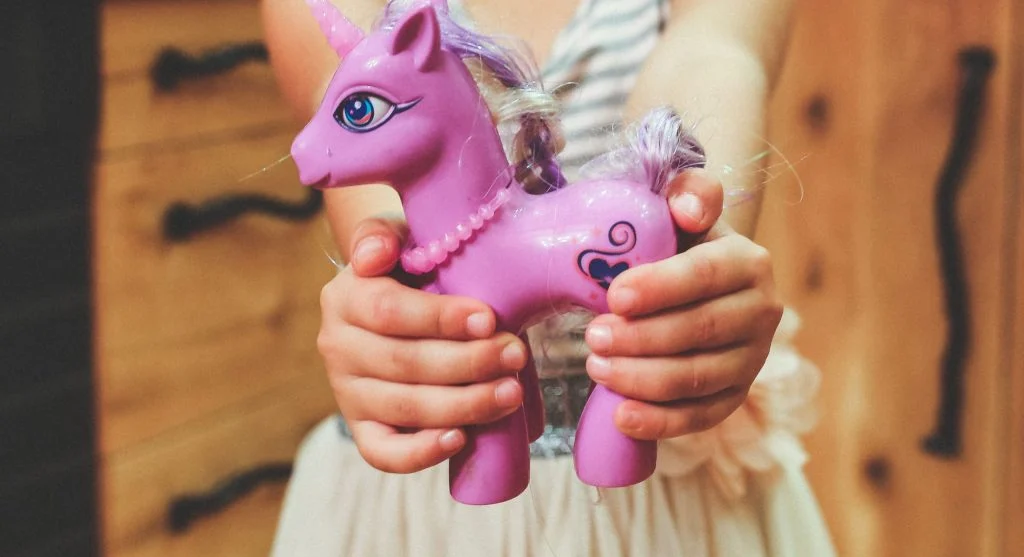
Many parents feel confused when a child who seems to be growing socially suddenly becomes more protective of favorite toys, special objects, or familiar routines around possessions. A child may begin saying “That’s mine” more often, protest when a sibling touches a preferred item, or become unusually careful about where certain belongings are placed. Child development specialists generally note that children often become more protective of their belongings right before they start sharing more smoothly because ownership awareness and social flexibility do not usually mature at the same speed. In many homes, what looks like growing selfishness is actually part of a developmental stage in which children are learning what belongs to them before they can comfortably choose when and how to share it.
This matters because adults often hope sharing will simply increase in a straight line. In reality, children usually move through a more uneven pattern. Before they become more generous or more relaxed with turn-taking, they often become more alert to boundaries around ownership. Development guidance often suggests that this stage can be a sign of growth, not decline. The child is beginning to understand possession, personal preference, and control more clearly, but emotional flexibility around those ideas is still catching up. Over time, understanding this pattern can help parents respond with more patience and less alarm when protectiveness rises for a while before smoother sharing appears.
Children Often Need a Stronger Sense of “Mine” Before “Ours” Feels Safe
Adults often think of sharing as the opposite of possessiveness. For children, the relationship is more connected than that. A child who does not yet feel clear about what belongs to them may actually find sharing harder, not easier. When ownership feels uncertain, giving something up even temporarily can feel risky. The child may cling more tightly because the internal boundary still feels shaky.
Child development experts generally explain that children often build social generosity on top of stronger self-definition first. In many families, this means that “mine” becomes louder before “ours” becomes easier. The child is not moving away from social growth. The child may be building the foundation that later makes sharing feel less threatening.
Protectiveness Often Increases When Children Start Noticing Personal Value
Young children do not always attach the same meaning to belongings that older children do. At first, many toys and objects may simply be things in the environment. Over time, children begin noticing which items feel special, familiar, comforting, or connected to identity. Once that shift happens, they may protect certain belongings more strongly because those items no longer feel random. They feel personally important.
Family behavior specialists generally note that children often become more vocal about ownership when they begin assigning stronger emotional meaning to specific objects. In many homes, the child is not only guarding plastic or fabric. The child is guarding comfort, familiarity, and a small sense of self inside the item.

Children Often Sound More Possessive Right Before They Become More Intentional
There is a difference between casual giving and intentional sharing. Some younger children may hand things over easily simply because they are not yet thinking deeply about ownership, fairness, or emotional attachment. Later, when awareness increases, the same child may become more hesitant. This can look like regression, but it may actually be the beginning of more thoughtful social behavior. The child is no longer giving automatically. The child is becoming aware that sharing is a choice involving something that matters.
Development specialists generally explain that intentional social behavior often looks rougher at first because it becomes more conscious. In many families, children seem more possessive right before they become more capable of real, deliberate sharing based on clearer internal understanding.
This Stage Often Appears Around Siblings, Friends, and Favorite Objects
Protectiveness usually becomes most visible in emotionally loaded situations. A child may not care much if an unfamiliar object is borrowed, yet react strongly if a sibling grabs a favorite toy, a friend touches a special collection, or someone changes the position of a comfort object. These moments matter because they combine ownership with relationship and emotion at the same time.
Child development specialists generally note that children often test their understanding of boundaries in the places where boundaries feel most important. In many homes, this is why protectiveness becomes most obvious around siblings, frequent playmates, and treasured belongings rather than around everything equally.
Children Often Need to Feel Some Control Before Flexibility Becomes Possible
Sharing asks children to tolerate uncertainty. They may need to trust that the item will come back, that it will not be damaged, that their turn is not over forever, or that their place in the social situation remains secure. Flexibility is easier when the child already feels some control. If control feels weak, the child may protect the object more fiercely as a way of restoring emotional balance.
Parenting experts generally note that children become more cooperative when they feel their own boundaries are understood first. In many homes, smoother sharing grows once the child learns that ownership can be respected without becoming permanent isolation from others.
Protectiveness Can Be Part of Learning Boundaries, Not Only Defending Objects
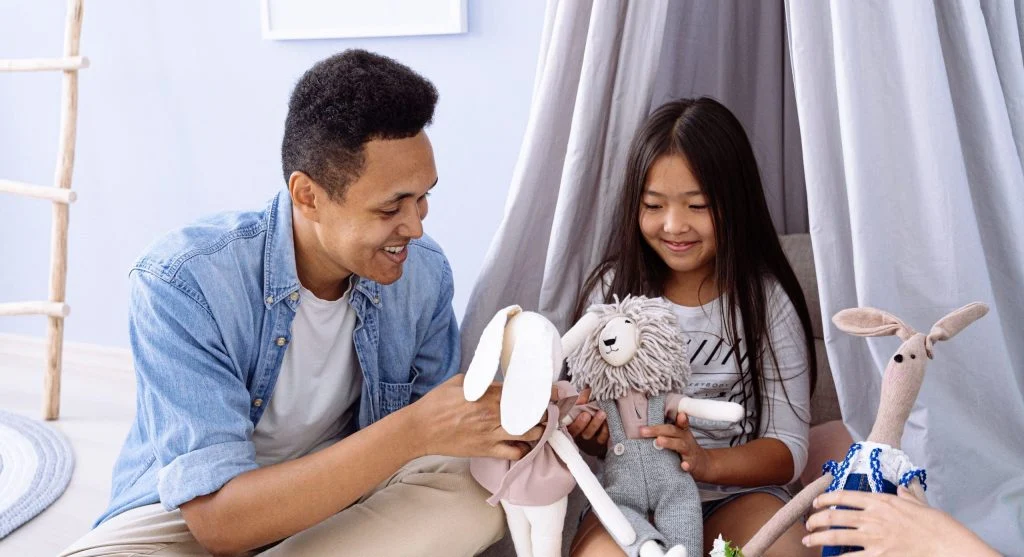
Adults often focus on the item itself, but the deeper learning may be about boundaries. Children are figuring out where they begin and where another person begins. Ownership can become one of the first visible ways they practice that. Saying “mine” may partly be about the toy, but it can also be about learning that personal space, personal choice, and personal preference exist.
Development guidance often suggests that early social maturity depends partly on learning healthy boundaries before learning healthy flexibility. In many homes, strong protectiveness appears because the child is working on that first part before being ready for the second.
Children Often Become Easier to Guide Once Adults Stop Treating the Stage as Pure Selfishness
When adults interpret growing protectiveness only as bad behavior, the response often becomes sharper and more moralizing. That can make the child feel even more unsafe about belongings and even more likely to cling. A calmer interpretation often helps more. This does not mean adults allow unkindness without guidance. It means they recognize that the child may be learning something important underneath the difficult behavior.
Family communication specialists generally note that children are easier to coach when adults respond to the developmental meaning of the behavior, not only to the surface frustration. In many homes, children become more cooperative once the adult’s tone shifts from accusation to guidance.
This Phase Often Looks Messy Because Emotional Skills Lag Behind Social Awareness
One of the hardest parts of child development is that important insights often arrive before the child has the emotional tools to handle them well. A child may newly understand ownership but still lack patience, trust, negotiation skills, or the ability to wait through discomfort. That mismatch creates behaviors that look contradictory. The child seems more aware and less easy at the same time.
Child behavior experts generally explain that many developmental gains first appear in messy form. In many families, stronger protectiveness is not the polished finished version of social growth. It is the awkward middle stage before better balance arrives.
Many Children Share More Smoothly Once Ownership Feels More Secure
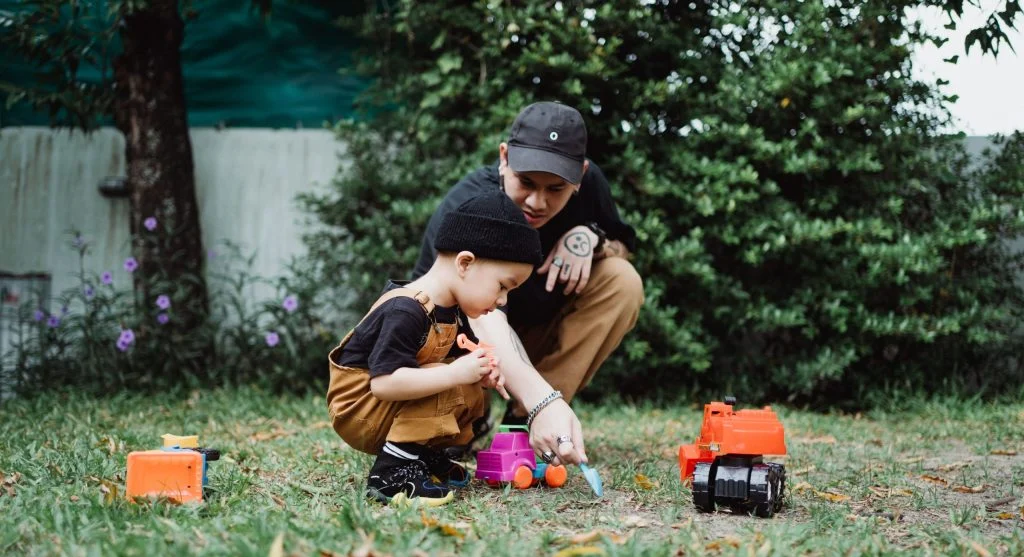
Over time, children often become less tense about belongings when they begin trusting that ownership does not disappear just because something is lent, shared, or used in turns. This trust does not usually arrive through lectures alone. It grows through repeated experiences of seeing items returned, boundaries respected, and sharing framed as something that can happen without personal loss.
Development specialists generally note that smoother sharing often emerges once ownership feels stable enough inside the child’s mind. In many families, the child becomes more generous not because adults forced less protectiveness, but because the child no longer feels as threatened by temporary separation from valued belongings.
This Stage Can Prepare Children for More Mature Sharing Later
True sharing is not only handing things over. It also involves trust, perspective-taking, flexibility, and a sense that relationships can survive temporary imbalance. Children usually do not reach that kind of sharing through pure carefree indifference. Often they reach it by first becoming more aware of value, boundaries, and personal attachment. That awareness can look difficult before it becomes mature.
Child development specialists generally explain that stronger social skills often grow from earlier stages that appear more self-focused on the surface. In many homes, the child who is loudly protective for a while is slowly building toward more intentional and emotionally stable ways of sharing later.
Why Children Often Become More Protective of Their Belongings
Children often become more protective of their belongings right before they start sharing more smoothly because awareness of ownership, value, and personal boundaries tends to develop before emotional flexibility does. The child starts caring more deeply about what belongs to them before fully learning how to stay calm while letting others into that space. That can make possessive behavior look stronger for a while even though real social growth is happening underneath it.
In many families, this stage becomes easier once adults stop seeing only selfishness and start seeing emerging awareness that still needs guidance. Over time, many children move from strong protection into more thoughtful, secure, and genuine sharing once their emotional tools catch up with their growing understanding.
FAQ
Why is my child suddenly saying “mine” more often?
Often because the child is becoming more aware of ownership, value, and personal boundaries, even if emotional flexibility around sharing is still developing.
Does this mean my child is becoming selfish?
Not necessarily. Many children go through a stage of stronger protectiveness before they become better at sharing in a more thoughtful and secure way.
Is it normal for favorite items to create the strongest reactions?
Yes. Children often become most protective around objects that feel emotionally important, comforting, or identity-linked.
Will this stage usually improve over time?
Often yes. As children build trust, patience, and emotional regulation, many become more flexible and more capable of sharing smoothly.
Internal Linking Suggestions
Link this article to posts about sharing skills in children, sibling conflict, emotional regulation, social development milestones, and helping children handle turn-taking at home.
Key Takeaway
Children often become more protective of their belongings right before they start sharing more smoothly because awareness of ownership usually develops before emotional flexibility does. Many children first need a stronger sense of what belongs to them before sharing feels safe and manageable. Families often help most when they treat this stage as developing boundary awareness rather than simple selfishness. Over time, this protective phase can become an important bridge toward calmer, more intentional sharing.