
5 Myths Families Often Believe About Screen Time During Busy Days
When days are hectic with parents doing loads of things at once, kids being exhausted and usual schedules being stretched, it’s particularly hard to deal with how much time everyone spends in front of screens. At these times, lots of families fall back on what seems sensible, but could actually make it harder to form good media habits later on. Experts in family media use say that it’s much easier to control screen time if families understand when and how it happens, instead of just dealing with the screens themselves. This is important because how we use digital things is affected by what we do regularly, what time of day it is, changes in activity, and what we expect to happen, just as much as what’s on the screen. A really busy day won’t necessarily cause bad habits with screens, but it will frequently show what beliefs are influencing how the family makes choices about media. For instance, a family who thinks that any screen time that leads to peace and quiet is a good thing might not think about what the child isn’t doing because of the device. Or a family that treats every tricky situation as needing a screen fix will likely find the device becoming the first answer to any feeling of being overwhelmed. Thinking carefully about these beliefs is the way families can develop media habits that are more dependable in the long run.
Myth 1: Screens Always Make Busy Days Easier
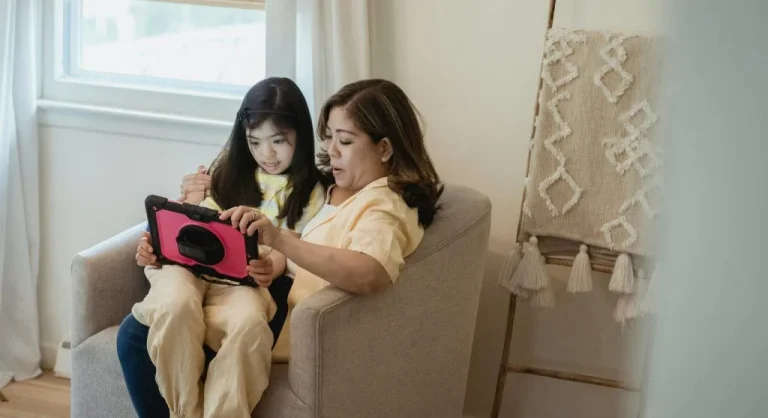
When things get stressful, looking at a screen can help you chill out for a bit, but it won’t necessarily make the rest of your day go smoother. It can even be the case that while they get rid of the noise right now, they actually make things more difficult when you need to move on to something else. A child who is really into what’s on the screen will likely be much more upset about having to stop, when compared to a child who was doing something calmer.

Credit: Gustavo Fring / Pexels
This isn’t to say screens should be avoided entirely when you’re having a crazy day. What families frequently find useful is to consider if the screen is making everything go better throughout the day or simply delaying the next argument. In fact, whether something is going to help the overall day, as opposed to just providing a quick break, is often far more important than that moment of peace.
Myth 2: Timing Does Not Matter If the Child Is Quiet
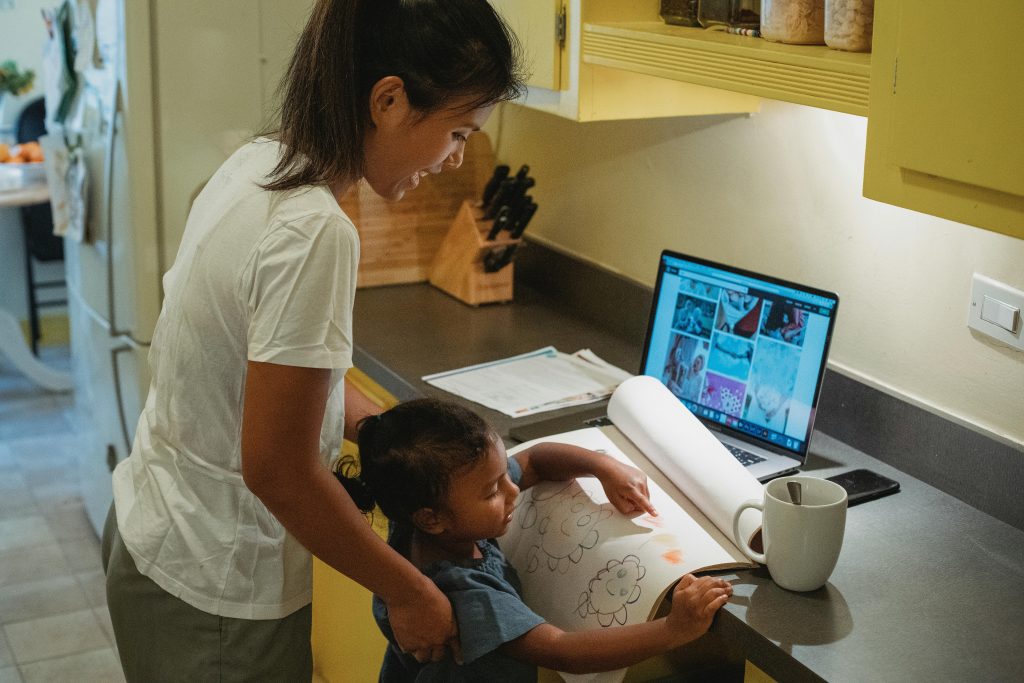
It’s no surprise families want things that make a hectic day a little more peaceful, yet when kids are doing those things is important. Using screens just before dinner, at bedtime or during a big change in the day is likely to cause more problems than using them at other times. And, surprisingly, just because something is keeping a child calm doesn’t mean the timing of it is actually good for them. When families are really on the go, they tend to have more success with media when it’s used to fill in the spaces around the routines they really have to keep. So a child who seems calm and is on a device before bed might still have a harder time getting to sleep later, even though that moment with the device felt smooth.
Credit: Kamaji Ogino / Pexels
Myth 3: More Stress Means Rules Should Disappear Entirely
When days are completely chaotic, it’s understandable to think getting rid of all rules about phones, tablets or the TV would be simpler. However, kids usually cope better if at least a little bit of the usual schedule stays the same, and this is particularly true when things are hectic. In fact, having clear limits can make a crazy day feel more under control, not more out of control. And this isn’t about being absolutely strict. It’s more that children are helped by understanding that expectations for screen time are still around, even if everyone is exhausted or in a hurry. If those boundaries aren’t there, the device can become the source of lots and lots of arguing.
Myth 4: Busy Days Leave No Room for Better Alternatives
When days get crazy, families often think screens are the only way to cope. Yet, even a little bit of time away from them can be useful. Things like a snack, a trip to the mailbox, drawing for a bit, or playing outside for ten minutes could provide enough of a break to lessen how much everyone depends on their devices. You don’t have to get rid of screens altogether with these ideas. They just add some difference to the day, and stop screens from being expected to fix every time things are hard. For lots of families, a single alternative thing to do, or maybe two, really changes things for the better.
Myth 5: Screen Conflict Is Unavoidable on Hard Days
When days are already full of tension, arguments happen more easily, though they aren’t guaranteed. Families generally find they argue about screens less if they’re clear about what’s happening, tell everyone beforehand about changes, don’t let kids be on their devices when they are alone, and ensure the children understand the plan. Things get a lot more difficult on hectic days when it feels like you’re making it up as you go. Often what we think of as unavoidable arguments over screens are in fact showing how unstructured the rules about devices are. Improved habits won’t get rid of all arguments, of course, but they can make it much less likely that being stressed will turn into a fight for control.

Credit: Helena Lopes / Pexels
Busy Days Usually Reveal the Real Routine
It’s easy to think you’ve got screen time under control when things are going well. But it’s when life gets hectic that you find out if your family has enough of a plan to stay on top of how much everyone uses devices as tensions build. Because of this, most of the time people aren’t aiming to get rid of screens completely, they’re hoping for a daily pattern that has some give, and won’t collapse during difficult times. Families do best when they don’t think a really full day means everyone either has a ton of screen time or none at all. More sensible media usage comes from having a schedule you can count on, reasonable limits for timing, and a couple of reliable things to do instead of just responding to the stress of the moment.