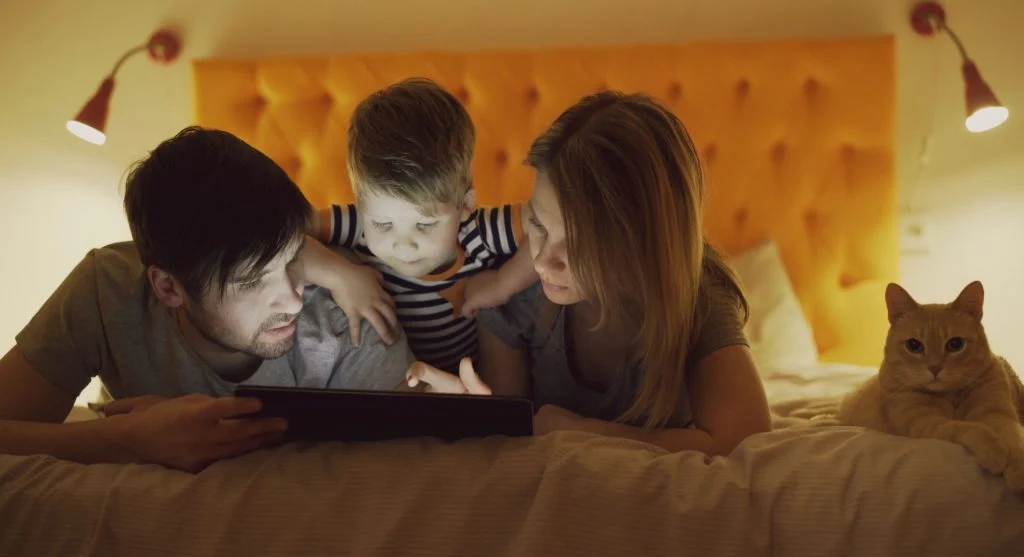
Why Children Often Talk More Honestly During Side-by-Side Activities Than Face-to-Face Conversations
Many parents hope for more open and honest conversations with their children, especially after a difficult day, an argument, or an emotionally confusing experience. Yet direct face-to-face discussions do not always lead to meaningful responses. A child may shrug, say “I don’t know,” or offer only a few words, even when the parent approaches the conversation calmly and thoughtfully. Child development specialists generally note that children often communicate more openly during side-by-side activities than during direct conversations because the setting feels less intense and emotionally exposed. In many cases, the problem is not that the child has nothing to say—it is that the format of the conversation feels too direct for them to engage comfortably.
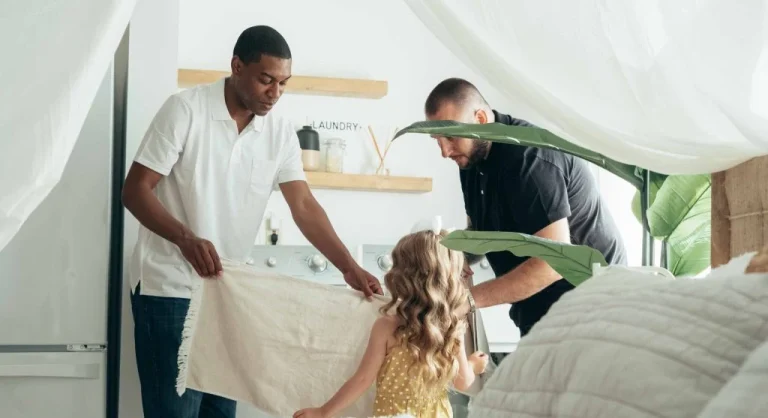
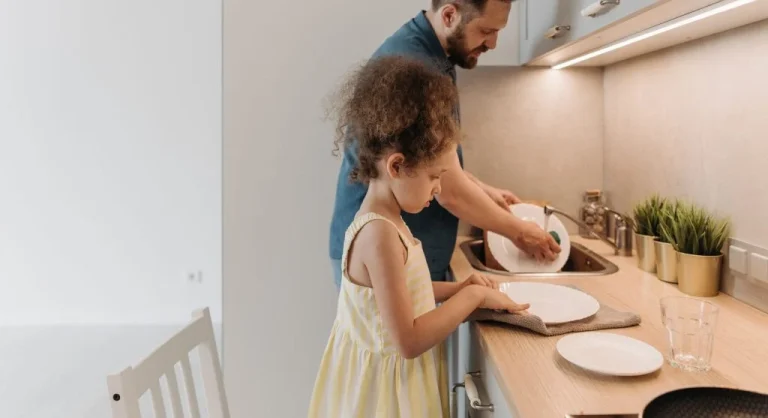
This matters because children often process emotions and thoughts while they are moving, creating, building, or participating in familiar activities. Development guidance frequently suggests that drawing, walking, baking, coloring, folding laundry, or riding in the car can encourage more natural communication than formal sit-down talks. Over time, many families discover that children share more genuine thoughts when they feel less observed and less pressured to respond emotionally on demand.
Face-to-Face Conversations Can Feel More Intense Than Adults Realize
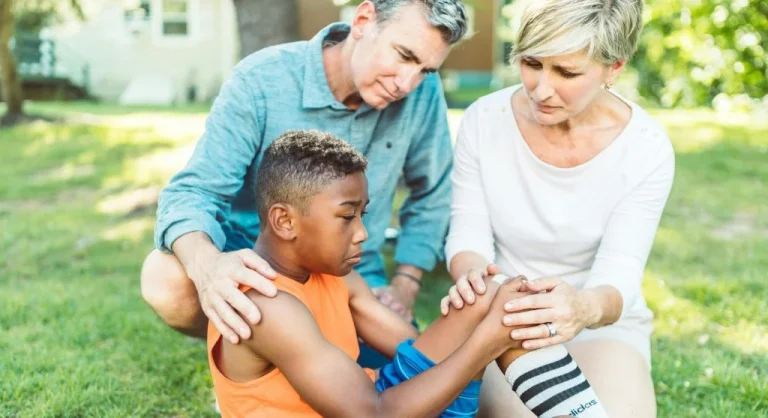
Adults often view direct eye contact and focused conversations as signs of attention, care, and respect. Children, however, may experience the same situation very differently. When an adult sits down, faces them directly, and asks serious questions, the child may immediately feel that an important answer is expected. Even when the parent’s tone is gentle, the conversation can feel heavy if the child senses that the moment carries emotional significance.
Child communication experts generally explain that some children become less expressive when they feel strongly observed. In many families, a child’s reluctance to talk is not a sign that the parent handled the situation poorly. Instead, it reflects how difficult the emotional pressure of a direct conversation can feel from the child’s perspective.
Side-by-Side Activities Reduce the Feeling of Being Evaluated
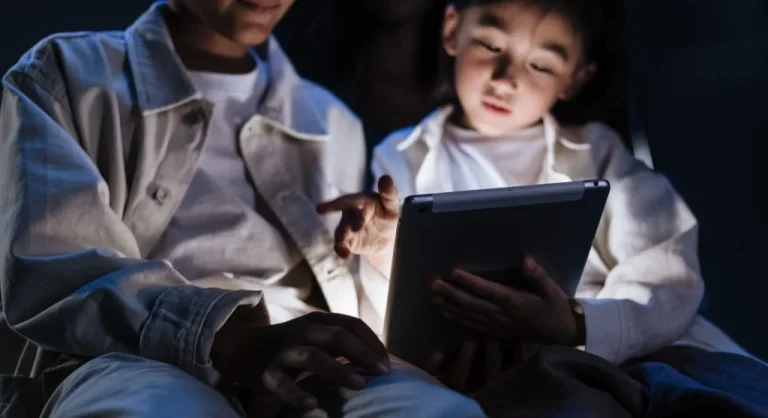
One reason children often communicate more honestly during side-by-side activities is that the physical setup changes the emotional atmosphere. When both parent and child are partially focused on a shared task, the child may feel less watched and less self-conscious. This can make it easier for thoughts and feelings to emerge naturally. A child who struggles to answer direct questions may suddenly begin talking while building with blocks, stirring ingredients in a bowl, or simply looking out a car window.
Family relationship specialists generally suggest that children often open up more easily when communication feels shared rather than centered entirely on them. In many homes, side-by-side activities reduce the sense of being evaluated and increase the feeling that the parent is simply present and available.
Children Often Think More Clearly When Their Hands Are Busy
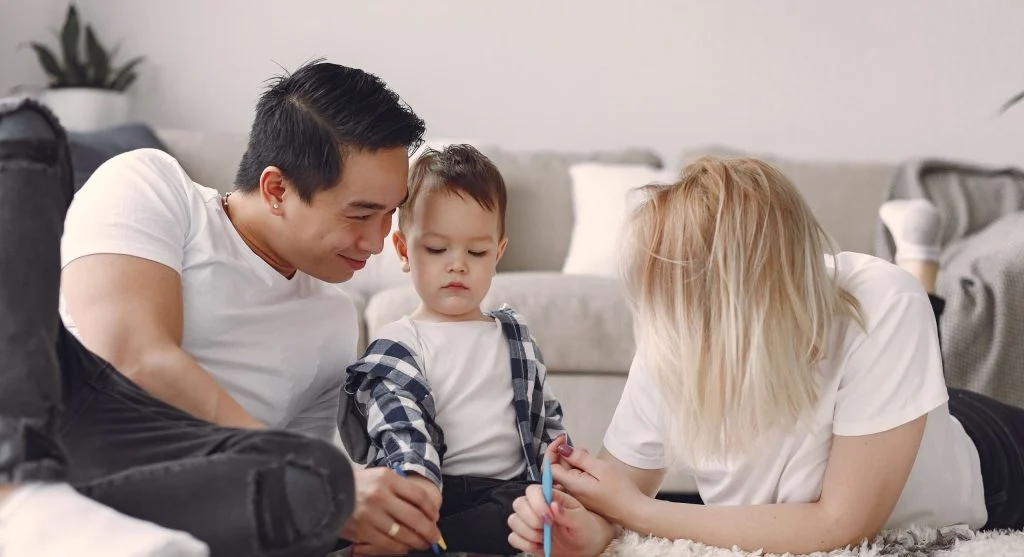
Many children process thoughts more effectively when they are engaged in a simple physical activity. Keeping their hands occupied can help reduce mental tension and make conversation feel more natural. A child may express thoughts more clearly while feeding a pet, working on a puzzle, peeling fruit, or walking beside a parent than while sitting still and being asked to explain a feeling immediately.
Development specialists generally note that some children process language and emotion through action just as much as through words. In many families, this means a child who says very little during a formal conversation may still be fully capable of meaningful discussion when allowed to stay physically engaged in a familiar task.
Honesty Often Grows When Children Do Not Feel Pressured to Perform Emotionally
Direct conversations can sometimes create an unintended sense of performance. Children may feel they are expected to explain their emotions perfectly, provide the right answers, or respond with a level of maturity they are not ready for. That pressure can lead to short responses, avoidance, or emotional shutdown.
Side-by-side conversations often feel less demanding. Children can share thoughts gradually, pause when needed, return to a topic later, and reveal feelings in stages rather than all at once. Parenting experts generally note that children are often more truthful when they do not feel pushed to produce emotional clarity on command. This is why many parents hear “nothing happened” during dinner but later learn the full story while putting toys away together or completing another simple activity.
Car Rides, Walks, and Repetitive Tasks Create Natural Opportunities for Conversation
Not every side-by-side activity works in exactly the same way, but many share an important advantage: they reduce the emotional intensity of direct attention. Car rides can help because children are not expected to maintain eye contact. Walks provide movement, which often keeps the conversation from feeling confined or overwhelming. Repetitive household tasks can be equally helpful because they allow children to feel useful and relaxed while talking.
Family communication specialists generally explain that children tend to be more honest in environments where they do not feel cornered or pressured. In many households, meaningful conversations emerge during these ordinary activities—not because parents planned a perfect discussion, but because the setting naturally supported communication.
Children Often Share Feelings a Little at a Time
Adults sometimes hope for one conversation that neatly explains everything. Children often communicate differently. They may reveal one small detail, then another a few minutes later, and only eventually arrive at the deeper emotional issue beneath the situation.
Side-by-side settings support this gradual process because the conversation has room to unfold naturally. Children do not feel required to explain everything immediately. Child development specialists generally note that many children need time to identify and understand what they are truly feeling. In many families, side-by-side communication works well because it allows honesty to develop at the child’s pace.
This Approach Can Help With Difficult Topics as Well
Side-by-side communication is not limited to casual conversations. It can also be effective when discussing more sensitive subjects such as friendship struggles, school concerns, sibling conflicts, embarrassment, disappointment, or feelings of guilt after a mistake.
Development guidance often suggests that children communicate more effectively when the emotional environment feels calm and manageable. Side-by-side activities can create that environment by allowing children to stay engaged in movement or a shared task while discussing something difficult. This balance often helps them stay connected to the conversation without feeling overwhelmed by its seriousness.
Parents Often Benefit From Side-by-Side Conversations Too
This approach can be just as helpful for parents. When conversations happen naturally during everyday activities, adults often sound less intense, interrupt less frequently, and respond more calmly. The discussion can feel less like a formal problem-solving session and more like quality time spent together.
Family relationship experts generally note that children pay close attention to whether adults sound curious or corrective. In many homes, parents find that they receive more honest and useful information when they stop trying to create a serious conversation and instead allow it to happen naturally during ordinary moments.
Side-by-Side Talking Can Strengthen Long-Term Communication Trust
Children learn where it feels safe to talk through repeated experiences. When meaningful conversations consistently happen during walks, car rides, drawing sessions, or household tasks, children may begin to associate those moments with comfort and trust.
That trust can become valuable over time. It teaches children that important conversations do not always need to feel formal or emotionally overwhelming. Child development specialists generally explain that communication habits develop gradually. In many families, side-by-side conversations become one of the foundations of long-term trust because children learn that honesty can exist in settings that feel safe, manageable, and warm.
Why Children Often Talk More Honestly
Children often communicate more openly during side-by-side activities because these settings reduce pressure, lower self-consciousness, and make conversations feel more natural. They are less likely to feel examined and more likely to express thoughts gradually and honestly. This does not mean face-to-face conversations are unimportant. Rather, it highlights that many children find honesty easier when the emotional intensity of the interaction is reduced.
In many families, stronger communication does not begin with bigger conversations. It begins with quieter moments shared together, where honesty has space to emerge naturally. Over time, those simple side-by-side interactions can become some of the most meaningful and emotionally safe opportunities for connection.
FAQ
What are examples of side-by-side activities for talking?
Walking, driving, drawing, baking, folding laundry, feeding a pet, building with blocks, and doing puzzles together can all work well.
Does this mean parents should avoid serious face-to-face talks?
No. Face-to-face talks still matter. This approach simply recognizes that many children open up more easily in lower-pressure settings first.
Why do children say more in the car?
Car rides reduce direct eye contact and emotional spotlight, which often helps children feel less pressured while talking.
Can this help older children too?
Yes. Many older children and teens also respond well to side-by-side conversations because they feel less intense and less formal.
Internal Linking Suggestions
Link this article to posts about calm parenting, helping children open up, emotional connection at home, talking after school, and ways to reduce defensiveness in family conversations.
Key Takeaway
Children often communicate more honestly during side-by-side activities than during direct face-to-face conversations because these settings reduce emotional pressure and make communication feel more natural. Many children find it easier to think, process feelings, and speak openly when they are not under a conversational spotlight. Walks, car rides, and everyday household activities frequently create opportunities for deeper and more genuine conversations. Over time, these simple shared moments can strengthen trust, encourage honesty, and support stronger family relationships.