Why Children Often Finish Evening Routines More Smoothly When the Last Job Is Always Easy
Evening routines often begin fairly well and then start falling apart near the end. A child may brush teeth, change clothes, and put toys away, but then suddenly become slower, sillier, more emotional, or more resistant right before bed. Parenting specialists generally note that children often finish evening routines more smoothly when the last job is always easy because routines usually end best with success rather than strain. In many homes, bedtime conflict does not grow at the beginning of the routine. It grows when the child is already tired and still has one more difficult task to face.
This matters because evenings place heavy demands on children’s energy, flexibility, and emotional control. By the time bedtime arrives, many children have already used much of their patience. Development guidance often suggests that the final step in a routine should be simple enough to complete without much extra effort. Over time, an easy closing job can help children move toward bed with less stress, fewer arguments, and a stronger sense that the routine is winding down instead of becoming harder at the very end.
Why Evening Routines Often Get Harder Near the End
Adults sometimes expect routines to move in a straight line. If the child cooperated through the first few steps, the rest should continue the same way. Children often do not work like that. Energy usually drops as the routine continues, especially in the evening. A child who could handle several instructions after dinner may struggle with the next two simply because the body and brain are running lower.
Child development specialists generally explain that tired children often lose flexibility first and cooperation second. In many homes, the final part of bedtime becomes difficult not because the child suddenly chooses to misbehave, but because the child is reaching the edge of what the day’s energy can still support.
The Last Task Often Shapes the Feeling of the Whole Routine
Children frequently remember routines by how they end. If the final moments are rushed, corrective, or emotionally tense, the routine can start to feel difficult in memory even when much of it went well. A simple final job can change that feeling. It gives the routine a gentler landing and helps the child leave the process with a sense of completion rather than strain.
Family routine experts generally note that endings matter because they influence how children approach the same routine tomorrow. In many families, a calmer last step improves not only the current evening but also the child’s attitude toward bedtime over time.

An Easy Last Job Gives Children One More Success Before Bed
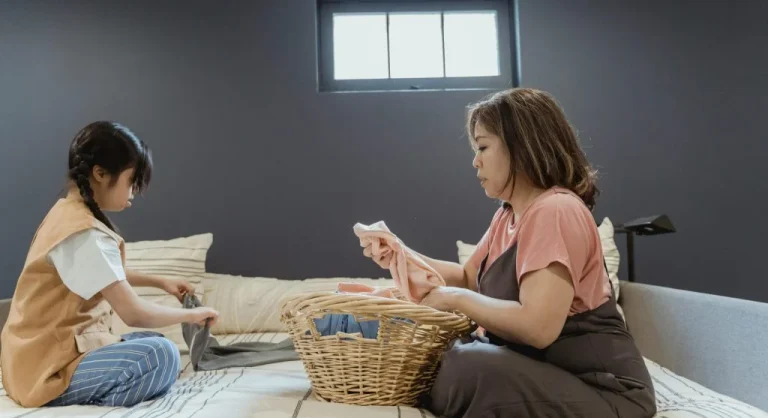
Many children need to end the day feeling capable, not corrected. If the final bedtime task is too complicated, too physical, or too emotionally loaded, it can easily become the point where the child unravels. An easy last job, such as placing clothes in the hamper, choosing one book, switching off a lamp, or carrying a cup to the sink, can provide one more achievable moment before sleep.
Development specialists generally note that children regulate better when routines end with something they can do well. In many homes, the final easy job works like a confidence-preserving step. The child gets to finish with “I did it” rather than “I got in trouble again.”
Simple Final Tasks Can Signal That the Hard Part Is Over
One reason easy closing tasks work so well is that they signal a shift. The child feels that the demanding part of the routine has already passed. Brushing, changing, cleanup, and other higher-effort steps are done. Now only one small action remains. That emotional message can reduce resistance because the child can see the finish line clearly.
Parenting experts generally explain that children cooperate more readily when the end feels close and manageable. In many homes, the final easy task tells the child, without a long speech, that bedtime is no longer building upward in demand. It is now settling downward toward rest.
Evening Routines Often Work Better When They Decrease in Difficulty
Adults sometimes arrange bedtime in an order that makes practical sense but not emotional sense. A harder task may land at the very end simply out of habit. Children often do better when routines taper down instead. Earlier steps can hold the higher effort, while later steps become quieter and easier. This matches the child’s falling evening energy more realistically.
Family organization specialists generally note that routines become smoother when they follow the body’s natural evening rhythm. In many families, simply moving the toughest step earlier and keeping the last step easy can noticeably reduce conflict and delay.

Children Often Delay Less When the Final Step Feels Predictable
Delay often grows when children feel unsure about what still remains. If they suspect another hard instruction is coming, they may stall, become silly, or start resisting before the final request is even spoken. A consistently easy last job reduces that uncertainty. The child learns what the ending looks like and begins to expect it.
Child behavior specialists generally note that predictable endings help children transition more smoothly. In many homes, bedtime becomes easier once the child knows the last step will be familiar, short, and manageable every night.
This Can Help Parents Stay Calmer Too
Children are not the only ones affected by a difficult ending. Parents often become most frustrated in the final few minutes of bedtime because everyone is tired and hoping the process will already be over. When the last task is simple, adults often sound calmer and rush less. That calmer tone can have a strong effect on the child’s cooperation.
Family communication experts generally note that children react strongly to adult tension at bedtime. In many homes, a smoother final step helps parents stop pushing so hard, which then helps children stop pushing back so hard.
The Best Final Job Is Usually Short, Familiar, and Easy to Complete
Families do not need a perfect bedtime system for this idea to help. What matters most is that the final task is easy enough for the child to complete while tired. It should not require long thinking, extra searching, or a fresh burst of effort. Small repeated tasks often work best because children learn to expect them and can do them without much strain.
Development guidance often suggests that routines are strongest when the last step is not emotionally risky. In many homes, that means choosing a final job that feels almost automatic. The easier it is to finish, the easier it is for the child to move from routine mode into sleep mode.
Why Children Often Finish Evening Routines More Smoothly
Children often finish evening routines more smoothly when the last job is always easy because simple endings protect tired children from one more unnecessary struggle. The child reaches the finish line with less pressure, more success, and a clearer sense that the routine is winding down. That often makes bedtime feel less like a contest and more like a gentle close to the day.
In many families, calmer evenings do not come from adding more steps or stronger warnings. They come from designing the end of the routine more wisely. Over time, one easy final job can make bedtime smoother, shorter, and much more emotionally manageable for everyone in the home.
FAQ
What kind of final bedtime job works best?
A short, familiar, low-effort task often works best, such as putting clothes in a basket, choosing one book, or turning off a lamp.
Why do children get harder to manage at the end of the evening?
Many children have lower energy, less patience, and weaker flexibility late in the day, which makes final routine steps feel harder.
Should the hardest bedtime task happen earlier?
Usually yes. Many children do better when the more demanding steps happen earlier and the last step is calm and easy.
Can this help with bedtime resistance?
Yes. A smoother final step can reduce delay, lower emotional tension, and make the whole bedtime routine feel easier to complete.
Internal Linking Suggestions
Link this article to posts about bedtime routine tips, calmer family evenings, helping children transition to sleep, reducing bedtime conflict, and daily routines that support emotional regulation.
Key Takeaway
Children often finish evening routines more smoothly when the last job is always easy because simple endings lower stress and protect tired children from one more difficult demand. Families often see calmer bedtimes when routines taper down in effort instead of becoming harder at the very end. A short, familiar closing task can make the whole routine feel more successful and more predictable. Over time, this small change can reduce bedtime conflict and help evenings end in a calmer way.