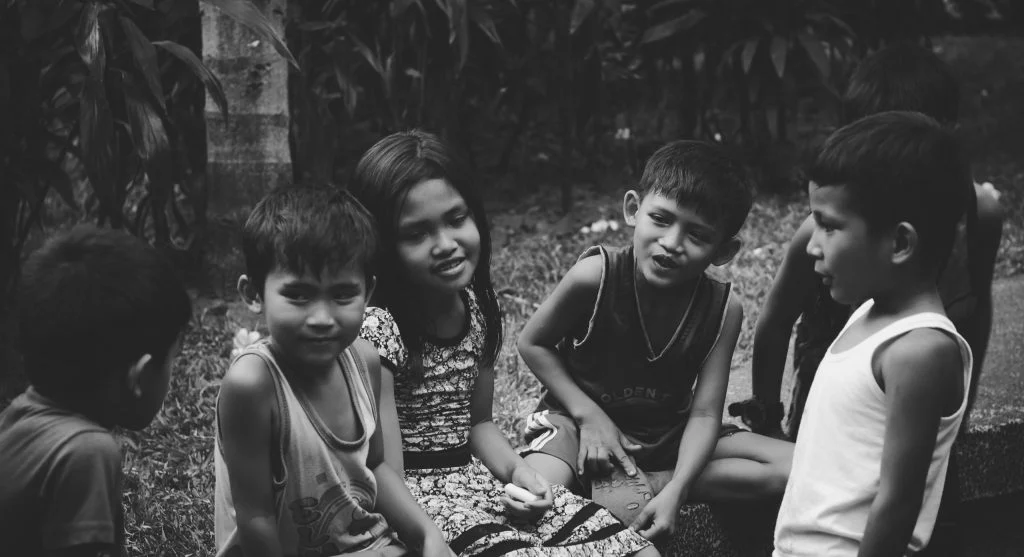
Why Some Children Seem Brave at Home but Quiet in Groups
Many parents notice a surprising contrast in their child’s behavior. At home, the child may be expressive, funny, opinionated, and full of ideas. Around relatives, classmates, or unfamiliar adults, that same child may become quiet, hesitant, or more watchful. Child development specialists generally note that this contrast is more common than many families expect. A child who seems brave at home but quiet in groups is not necessarily being inconsistent. The child may simply be responding to different levels of emotional safety, social pressure, and internal demand.
This matters because adults often measure confidence by how easily a child speaks in public or joins group conversations. Real childhood confidence is usually more layered than that. A child may feel secure, capable, and expressive in one setting while still finding group situations difficult to enter. Development guidance often suggests that quietness in groups can reflect temperament, sensory load, social caution, or the simple fact that home and group settings require different skills. Understanding that difference can help parents support growth without treating quietness as failure.
Home Confidence and Group Confidence Are Not the Same Skill
Adults sometimes assume that a confident child should look confident everywhere. Children often build different kinds of confidence in different settings. Home confidence usually grows from familiarity. The child knows the people, the routines, the tone, and the likely reactions. Group confidence asks for more. The child may need to tolerate being watched, wait for the right moment to speak, read several people at once, and manage uncertainty about how others will respond.
Development specialists generally note that these abilities are connected, but they are not identical. In many families, a child who is highly verbal and bold at home is still learning how to carry those strengths into settings that feel less predictable. This does not erase the child’s confidence. It usually means that confidence is still tied to familiar places rather than available everywhere.
Groups Often Require More Social Energy Than Adults Realize
Children do not enter group settings with words alone. They also enter with nervous system demands. They may need to handle noise, shifting attention, turn-taking, several conversations happening at once, and the pressure of deciding when and how to join in. For some children, this uses a great deal of mental energy before they say anything at all.
Child development experts generally explain that a quiet child in a group may not be confused or unhappy. The child may simply be using energy to observe, adjust, and feel safe enough to participate. In many homes, parents mistake this careful pacing for a lack of confidence, when it may actually show that the child is working hard internally to manage the setting.
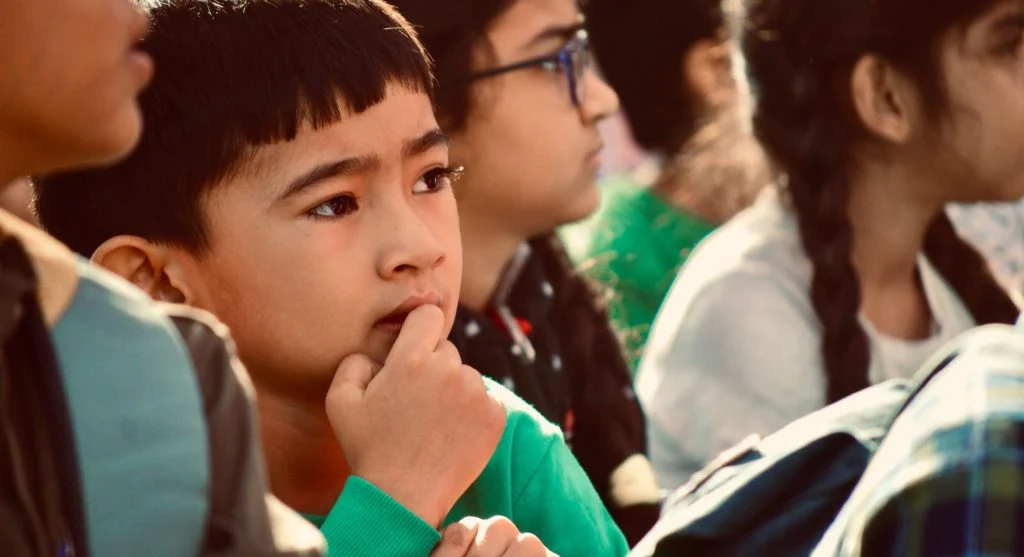
Some Children Need Time Before They Feel Ready to Join
Not every child enters a social situation quickly. Some children warm up gradually. They watch first, then move closer, then perhaps answer a small question, and only later begin talking or joining more freely. Adults who expect instant engagement may feel worried, but child behavior specialists generally note that gradual entry can be a normal pattern rather than a problem.
In many cases, the child is not refusing the group. The child is testing the emotional temperature of the setting. Once enough safety builds, speech often follows. This is why parents may see their child appear silent at the beginning of an event and much more expressive later.
Quietness in Groups Can Reflect Caution, Not Weakness
Some children are naturally more cautious in social spaces. They may watch carefully before acting, speak after thinking, or avoid stepping forward until they understand the group better. Adults often celebrate quick social ease, but careful social entry can also be a meaningful developmental style. It may reflect thoughtfulness, not only fear.
Development guidance often suggests that children benefit when adults do not treat every quiet group behavior as something broken that must be fixed immediately. In many families, children become more secure when their slower style is respected while they are gently supported toward participation.
Being Quiet in Groups Does Not Mean the Child Has Nothing to Say
Many quiet children have rich thoughts during social situations. They may notice more than adults realize. They may know what they want to say but hesitate over timing, worry about being wrong, or feel unsure how to enter the conversation. In those cases, the challenge is not thought. It is access.
Child development specialists generally note that expressive ability and social timing do not always develop at the same pace. In many homes, a child talks at length after the event, explaining what happened and what they wanted to say earlier. That pattern often shows that the child’s silence was not emptiness. It was delay, caution, or social effort still in progress.
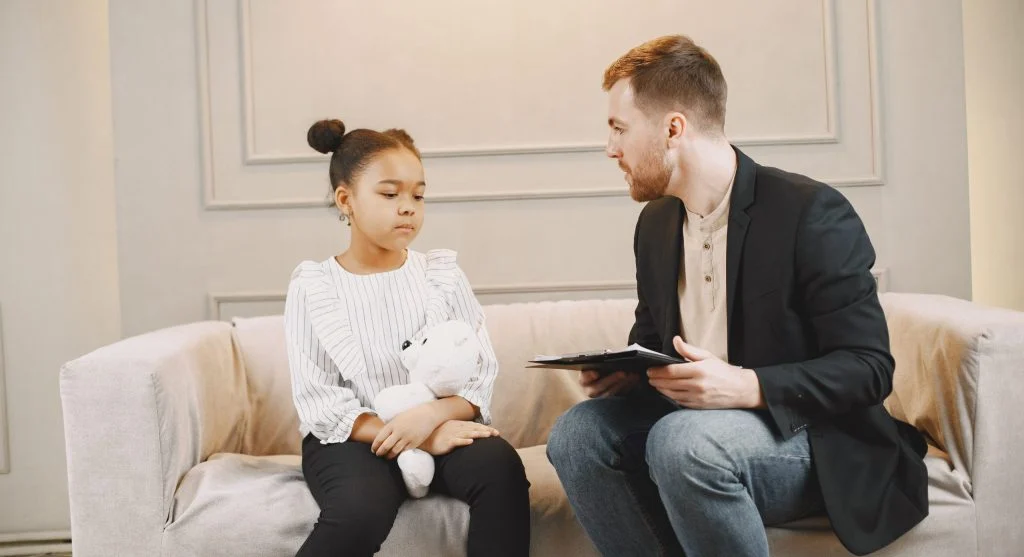
Sensory Load Can Quiet a Child Faster Than Adults Expect
Some group settings are not only social. They are noisy, bright, crowded, and fast-moving. A child who seems comfortable in one-on-one conversation may become much quieter when there are too many sensory demands at once. Loud rooms, overlapping voices, unpredictable movement, and busy environments can all reduce the child’s verbal comfort.
Family specialists generally note that parents often understand the pattern better once they look beyond personality alone. In many homes, a child who seems shy at gatherings may actually be overwhelmed by the setting. When the environment becomes calmer, the child’s language and personality often return quickly.
Pressure to Perform Socially Can Make Quietness Worse
Adults often try to help by prompting children in front of others. “Tell them what you made.” “Say hello.” “Go answer.” “You were talking fine a minute ago.” These prompts are usually well meant, but they can make the child feel more exposed. A child who already feels uncertain may become even quieter once the social spotlight gets brighter.
Child behavior experts generally note that some children speak more easily when pressure is lower. In many families, group quietness becomes easier to manage when adults stop treating every silent moment as something that must be corrected immediately. Less performance pressure often gives children more room to participate in their own time.
Confidence Often Grows First Through Repeated Safe Experiences
Children usually become more comfortable in groups through repetition, not sudden transformation. A child may first speak to one familiar person, then one peer, then a small group, and only later feel more natural in larger settings. Each successful experience adds to the child’s sense that group life can be manageable.
Development specialists generally note that real social confidence often grows quietly. In many homes, parents see progress first in small signs. The child stays closer to the group, answers one question, joins a game for five minutes, or recovers more quickly after initial hesitation. These smaller changes often matter more than dramatic displays of confidence.
Parents Often Help Most by Not Treating Home and Group Behavior as a Contradiction
When adults say things like, “You talk all the time at home, why are you acting like this now?” children may feel misunderstood. The child is not necessarily acting. The child may genuinely feel different in the two settings. Support often becomes more effective when parents stop treating the contrast as suspicious and start seeing it as information.
In many families, the child benefits when the adult understands that home and group behavior are both telling the truth about two different emotional worlds. One feels known. The other still takes work. That understanding often lowers shame and creates more room for healthy growth.
What This Often Means for Healthy Development
When a child seems brave at home but quiet in groups, it often means the child’s confidence is real but still connected to familiar spaces. That is not unusual. Many children first build strong language, humor, and emotional expression where they feel safest, then gradually extend those abilities outward. Quietness in groups may reflect temperament, caution, social processing, or sensory sensitivity rather than a lack of intelligence or personality.
In many homes, the most helpful response is not to force a quick personality change. It is to notice patterns, reduce performance pressure, and respect the child’s slower pace without giving up on growth. Over time, many children become more expressive in wider settings when confidence is allowed to expand gradually instead of being demanded all at once.
Key Takeaway
When children seem brave at home but quiet in groups, it often reflects differences in emotional safety, social demand, and temperament rather than a sudden lack of confidence. Home confidence and group confidence are related, but they are not the same skill. Families often help most by respecting the child’s pace, lowering social pressure, and noticing smaller signs of growth instead of expecting instant boldness everywhere. Over time, many children become more comfortable in groups as safe experiences help their confidence grow outward from home.