Why Children Often Write More Willingly at Home When They Say the Sentence Out Loud First
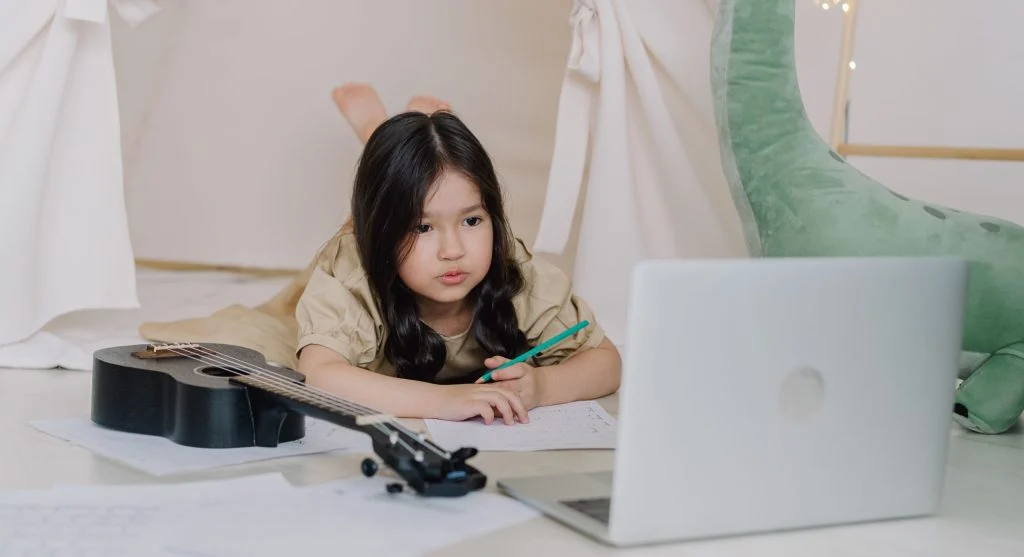
Writing practice at home often looks easier on paper than it feels to a child in the moment. Adults may ask for one sentence, a short answer, or a simple journal line, yet the child stares at the page, stalls, complains, or says there is nothing to write. Education specialists generally note that children often write more willingly at home when they say the sentence out loud first because speaking helps turn a vague idea into something clearer and easier to use. In many homes, the child is not resisting writing only because the pencil feels hard. The child is also struggling with the invisible step that comes before writing: forming the thought clearly enough to put it on the page.
This matters because writing is rarely just one skill. It often asks children to think of an idea, organize the words, remember spelling, control the pencil, leave spaces, and tolerate correction all at the same time. That can feel heavy, especially after a full school day. Development guidance often suggests that spoken rehearsal can make writing feel more manageable because the sentence begins to exist in the child’s mouth and mind before it has to appear on paper. Over time, this small shift can lower resistance and help children approach writing with more confidence.
Writing Often Feels Hard Because the Sentence Is Still Unformed
Adults sometimes assume that if children know what they want to say, they should be ready to write it. In practice, many children do not yet hold the sentence firmly enough in their mind. They may have a general idea, but not a complete line of language. When the page appears too early, the child can feel stuck between thinking and writing without any bridge between the two.
Child development specialists generally note that spoken language often develops earlier and feels easier than written language. In many families, children become much more willing once they are allowed to hear themselves say the thought first. The idea stops feeling hidden and starts feeling real enough to use.
Saying the Sentence Out Loud Can Reduce Blank-Page Pressure
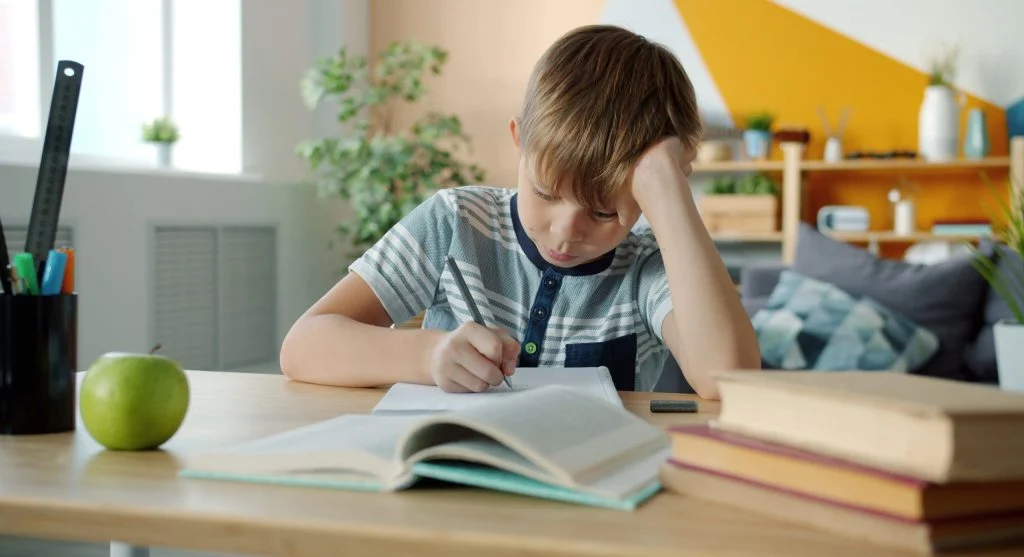
A blank page can feel bigger to a child than adults realize. It does not only ask for words. It asks for the right words, in the right order, written neatly enough to count. That pressure can make even simple writing tasks feel intimidating. Speaking first often helps because the child is no longer starting from total blankness. The sentence is already partly formed.
Education experts generally explain that children often approach writing more calmly when the page is not the first place the idea appears. In many homes, one spoken sentence changes the whole tone of the task. The child is no longer being asked to invent and record at the same time. The child is first allowed to invent through speech.
Speech Often Helps Children Hear Whether the Sentence Makes Sense
When children say a sentence aloud, they often notice things they would not catch silently. They may realize the idea is too long, missing a part, or harder to say than they expected. This is useful. The child can reshape the sentence before writing begins. The written task then becomes less about struggle and more about recording a sentence that already feels workable.
Family learning specialists generally note that speaking can act like an early draft. In many homes, children naturally edit themselves while talking. They shorten the line, choose a simpler word, or restart with a clearer beginning. That spoken adjustment can make the written version much easier to complete.
Children Often Feel More Successful When Writing Starts With Their Own Voice
Some children resist writing because it quickly stops feeling personal and starts feeling performative. They worry about spelling, handwriting, or whether the sentence sounds good enough. Saying the line out loud first can return the task to something more human and more theirs. The child hears the sentence in a familiar voice before seeing it as a school-like demand on paper.
Development specialists generally note that children often stay more engaged when learning begins from their own expression instead of from correction. In many homes, spoken rehearsal helps because the child experiences the writing as “my sentence that I am putting down” rather than “the line I must produce correctly before anyone approves of it.”
Out-Loud Sentences Can Support Working Memory During Writing
Many children lose part of the sentence while writing it. They may begin with one idea, pause to think about a letter, and then forget what came next. This can make writing feel frustratingly slow. Speaking the sentence first often helps because it gives the child a fuller verbal model to hold onto while writing begins.
Child development specialists generally explain that working memory is still developing through childhood. In many families, a child writes more smoothly after saying the sentence because the words stay more available. The spoken version acts like a temporary guide the child can return to mentally while the hand catches up.
Children Often Write Longer Answers When the First Sentence Comes Easier
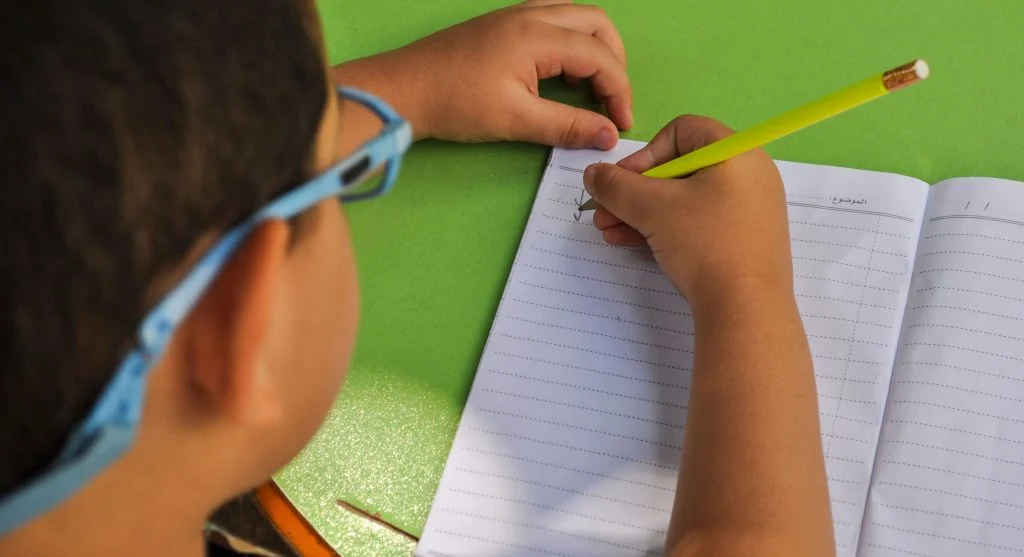
The biggest wall in writing is often the first line. Once children get moving, many can add a little more than adults expected. Spoken rehearsal often helps with this because it gets the first sentence into place more quickly. After that, the task may stop feeling impossible. One successful line can lead to another short detail or explanation.
Education guidance often suggests that momentum matters in home writing. In many homes, children who say one clear sentence first are more likely to continue than children who begin by battling the blank page. The spoken start helps the writing task feel started rather than stuck.
This Approach Can Work for More Than Stories
Saying the sentence aloud first is helpful not only for creative writing. It can also support short answers, journal reflections, simple summaries, science observations, and even labeling or dictation-style practice. The key idea is the same: the child benefits from forming the language before managing the mechanics of writing it.
Family learning experts generally note that home practice goes best when adults remove unnecessary barriers around the target skill. In many homes, spoken rehearsal supports many kinds of writing because it separates idea-building from handwork just enough to make the task feel possible.
Adults Often Become Better Writing Helpers When They Listen First
This method can help adults too. When parents invite the child to say the sentence aloud, they gain a clearer sense of what the child is trying to express. That can prevent overhelping, guessing, or taking over the writing too soon. The adult becomes a listener before becoming an editor.
Development specialists generally note that children often stay more confident when adults support the child’s words instead of replacing them. In many homes, listening to the spoken sentence first helps parents guide more gently because they are responding to the child’s real idea rather than trying to invent one on the child’s behalf.
Writing Often Feels Easier Once the Sentence Already Exists
Children often write more willingly at home when they say the sentence out loud first because speaking turns an invisible thought into a usable plan. The child gets to build the language in a familiar way before facing the harder work of spelling, spacing, and recording it. That small change often lowers tension at the start of writing and gives the child a clearer path into the task.
In many families, better writing practice does not begin with sharper correction or longer sessions. It begins with helping the child hear the sentence before being asked to hold it on the page. Over time, this simple habit can make home writing feel less blocked, less frustrating, and much more approachable.