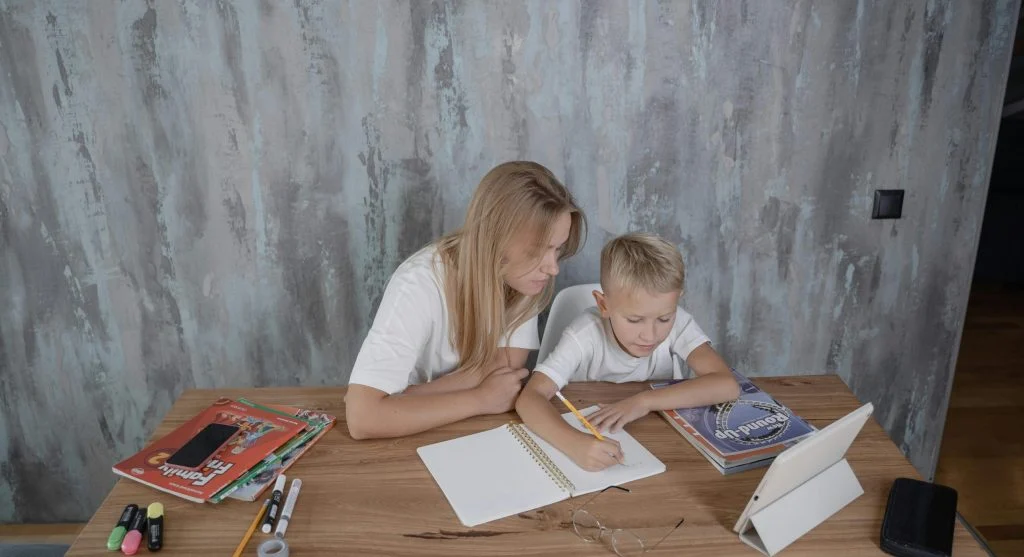
Why Children Often Follow After-School Routines Better When the First Five Minutes Stay the Same
After-school hours often feel harder than many adults expect. Children come home carrying the mental and emotional weight of the school day, but family life often moves quickly into snacks, homework, chores, siblings, or evening activities. Parenting and child development specialists generally note that children often follow after-school routines better when the first five minutes stay the same because a repeated beginning helps them settle, shift attention, and understand what home feels like right after school. In many homes, the hardest part is not the entire afternoon. It is the unsettled transition at the very beginning.
This matters because children often leave school in a state adults cannot fully see. They may be tired, overstimulated, hungry, socially drained, or still holding onto something that happened during the day. Development guidance often suggests that the first few minutes after arriving home can shape the mood of the next several hours. Over time, one small repeated opening routine can make afternoons feel calmer because the child begins to trust how the day moves from school life into home life.
The First Few Minutes After School Often Carry More Stress Than Adults Realize
Adults may see coming home as a simple transition, but many children experience it as a major shift. The school day requires attention, waiting, emotional control, and constant adjustment. By the time children walk through the door, they may have less patience and flexibility than adults expect. If home immediately feels unpredictable, the child may become irritable, clingy, distracted, or resistant before the bigger routine even begins.
Child development specialists generally note that transitions are often hardest when children have not had time to reset. In many families, this is why after-school behavior can look rougher than morning behavior. The child is not starting fresh. The child is arriving already full from the day.
Repeated Openings Help Children Shift Out of School Mode
A consistent first five minutes can work like a bridge between two different worlds. School has one rhythm, and home has another. When the first few minutes at home follow the same basic pattern, children often move between those worlds more smoothly. A backpack placed in the same spot, a familiar greeting, one snack routine, one place to sit, or one repeated sequence can all signal that school mode has ended and home mode is beginning.
Family routine experts generally note that children respond well to repeated signals because they reduce the amount of guessing children have to do. In many homes, a familiar opening routine makes the after-school shift easier because the child no longer has to figure out how home begins each day.
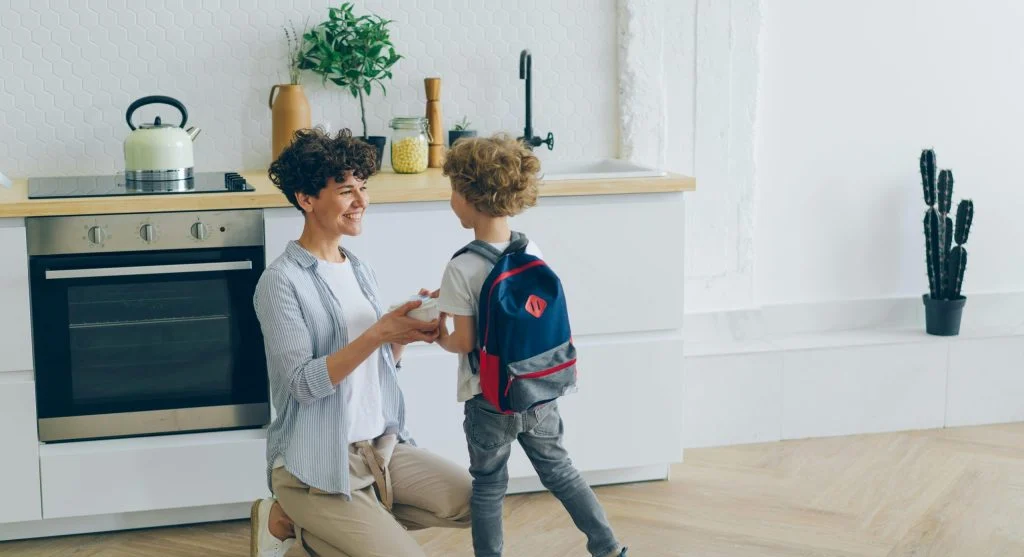
Children Often Regulate Better When the Beginning Feels Predictable
Many children seem oppositional after school when they are actually dysregulated. They may push back against simple requests, react strongly to siblings, or move from one activity to another without settling. A predictable opening can help because it lowers uncertainty at the exact moment when the child may be least able to handle more of it. Instead of entering a loose or changing transition, the child steps into something familiar.
Development specialists generally explain that regulation improves when expectations are easier to read. In many families, the first five minutes matter because they set the emotional pace for what follows. A child who settles into something familiar right away often has a better chance of moving through the rest of the afternoon more smoothly.
Repeated First Steps Can Lower After-School Conflict
After-school conflict often starts before the family even notices it. A child walks in hungry, a parent asks several questions, a sibling interrupts, and someone begins talking about homework or chores too soon. The moment becomes crowded before the child has had time to land. A repeated opening routine can reduce this friction by making the first step simple.
Family communication specialists generally note that many children do better when adults do not make the first few minutes emotionally busy. In many homes, one familiar pattern reduces arguing because the child is not being asked to handle too many conversations, decisions, or corrections immediately after walking through the door.
Children Often Need the Same Kind of Landing Every Day
Adults sometimes change the after-school routine depending on the schedule, mood, or what needs to get done. Some flexibility is normal, but many children benefit when the first five minutes stay as similar as possible, even if the rest of the afternoon changes. The child may not need the entire day to follow the same plan. The child may simply need the beginning to feel recognizable enough to trust.
Parenting specialists generally note that children often use this kind of repeated landing place to organize themselves. In many homes, the rest of the routine works better once the first few minutes are steady. The child has already found footing before the afternoon becomes more demanding.
The First Five Minutes Often Shape Homework and Evening Behavior Too
It can be easy to think the opening routine only matters for those first few minutes, but its effect often lasts longer. A child who comes home feeling disorganized may carry that dysregulation into snack time, homework, sibling play, and dinner. A child who settles early often moves through those later parts of the day with more steadiness. The repeated opening does not solve every problem, but it can change the emotional starting point for the whole afternoon.
Child development specialists generally note that children often do better later when the earliest transition is calmer. In many families, this is why the after-school entry routine matters so much. It quietly affects everything that comes after it.
Adults Often Stay Calmer When the Beginning Is Already Decided
A consistent first five minutes can help adults as well. Without a clear opening routine, parents may start talking about snacks, homework, missing papers, behavior, and scheduling all at once. That can raise stress for everyone. When the beginning is already decided, adults often sound calmer and more organized because they are not improvising under pressure every day.
Family routine experts generally note that children often respond to the emotional tone of the household as much as to the routine itself. In many homes, one repeated beginning lowers adult stress enough to improve the entire family mood after school.
The Best After-School Opening Is Usually the One Families Can Repeat
Families do not need a perfect after-school routine for this to work. What usually matters most is that the first few minutes are simple and repeatable. A familiar greeting, backpack routine, snack, quiet pause, or another short predictable sequence can be enough if it happens often enough for the child to expect it. The goal is not complexity. The goal is consistency.
Development guidance often suggests that children benefit more from a modest routine that truly repeats than from an ideal plan that changes every day. In many homes, the strongest after-school support is not a long schedule. It is a calm first five minutes that always feels like home.
Children Often Settle Faster When Home Begins in a Familiar Way
Children often follow after-school routines better when the first five minutes stay the same because repeated openings reduce uncertainty and make the transition out of school easier to manage. A familiar beginning gives the child time to land emotionally before the rest of the afternoon asks for more effort. That often makes later routines feel more manageable too.
In many families, smoother afternoons begin with a smaller change than people expect. Instead of trying to fix every part of after-school life at once, the family protects the first few minutes well. Over time, that repeated beginning can become one of the quietest and strongest supports for calmer, more workable daily routines.