How Independence Usually Develops in Young Children Over Time
People often think of independence as something a child just has at a certain age, but those who study how children grow say it happens over time. Little kids don’t go from needing everything done for them to being sure of themselves all at once. Instead they slowly become more independent by doing things over and over, as their bodies get better at things, as they learn to talk, and as they try fairly easy things with a grown-up close by to help. Within a family, this means independence doesn’t usually have big displays, it’s more in little things like getting shoes on, holding a cup without spilling, putting away a few toys, or asking for help instead of having a full-blown tantrum.
This more gradual understanding of independence is important because families can sometimes see a child being unsure as a refusal to do something, or think a child should be confident before they even start. But lots of children need to try many times, to mess up, to see how a grown-up does it, and then try again. Experts in child growth often say this is about finding a balance between being supportive and letting kids have some freedom. Children require sufficient assistance to feel safe, but also enough opportunity to realize they can do more than they could before.
Independence Begins With Familiar Routines
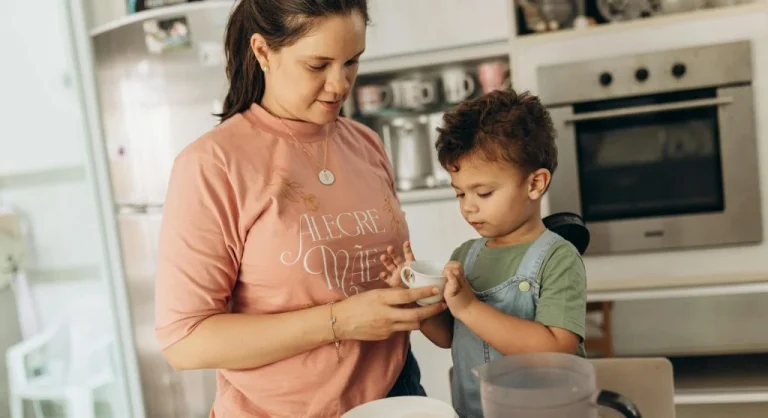
Kids are generally at their most self-sufficient with things they’ve done lots of times. Being used to something makes them worry less and allows them to concentrate on what they are doing, not on wondering what’s going to happen. And this is a big part of why everyday habits like washing hands, tidying toys, selecting pajamas or taking a plate to the sink are actually important for growing up.
Because of all the repetition, a routine leaves a child with fewer choices to be made. They can devote more effort to actually doing things when they already know what happens next. And as they do these things over and over, they will begin to move from just observing a grown-up doing something to having a go at some of it by themselves.
Physical Development Shapes What Children Can Manage
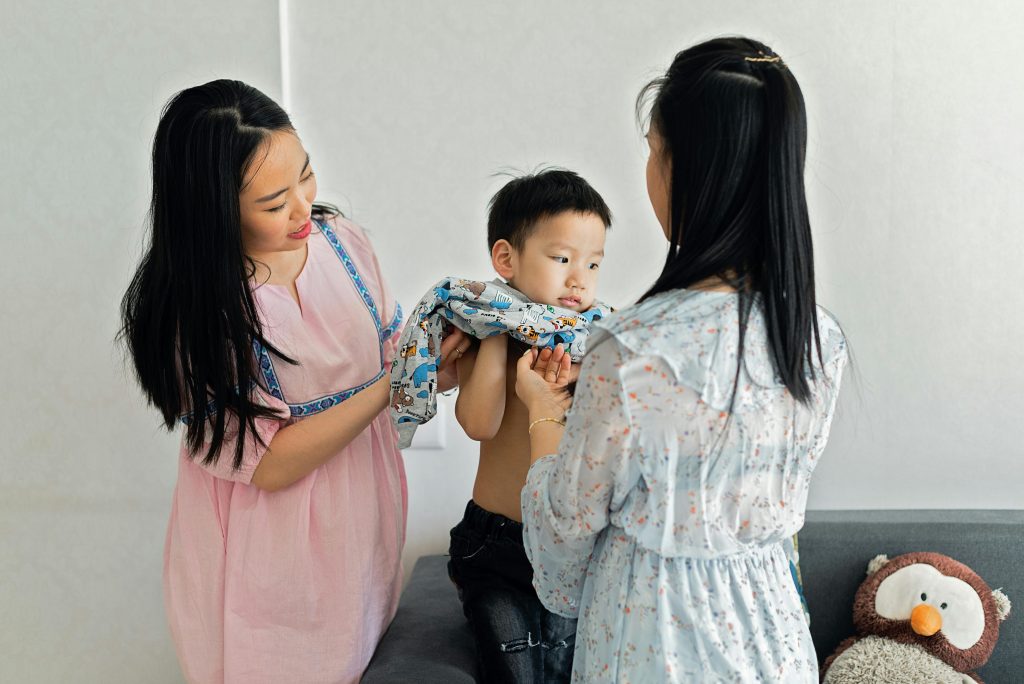
Being independent isn’t just about feelings. It also has to do with what a child’s body is capable of doing. Getting a shirt buttoned, water into a cup, a snack container open or a school bag to somewhere all take a blend of coordination, being able to balance, a firm grasp and a sense of where your body is in space. Often, families look for a child to do things on their own before their physical abilities are quite up to the challenge.
That’s where expectations that match a child’s stage of development are important. A child might want to be independent, but still be needing assistance with figuring out how to actually do something. Adults usually do the most good when they see which bit of what a child is trying to do is too tricky and what they can start to do by themselves.
Credit: Amina Filkins / Pexels
Confidence Often Grows After Practice, Not Before It
Lots of grown-ups would like their kids to be sure of themselves before they begin something, but you generally become confident by doing something over and over. A child who is slow to attempt a new activity isn’t at all likely to be without ability; they’ve probably just not done it enough times to be confident in what they can do.
And this is important because if adults are too quick to act, they can unintentionally get in the way of a child managing on their own. If adults quickly take over to get things done faster, kids may not get the opportunity to develop confidence by working at it. Within the usual things a family does, letting kids have a bit longer to have a go can really help them to grow over time, even if it means things aren’t quite as speedy at that particular point.
Independence Still Includes Knowing When to Ask for Help
Lots of parents equate independence with a kid doing absolutely everything by themselves. However, professionals who study how children grow generally define it in a much wider way. If a child understands when something is too hard and then asks for help in a sensible manner, they are in fact displaying a valuable kind of independence. This shows they know themselves, can express what’s going on with them, and believe in someone to support them.
So, independence in this view doesn’t mean a child has no wants or difficulties. It’s about a child taking a more and more important role in dealing with those wants and difficulties. Telling someone “I’m able to handle this bit” or “I require assistance with this zipper” is frequently a sign of more progress than trying to manage in silence or simply giving up.
Emotional Security Supports Independence
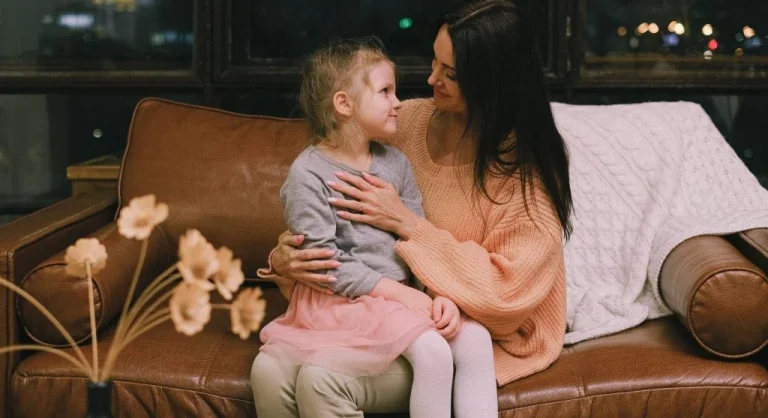
When kids feel emotionally safe, they generally start doing things on their own. If a child believes a grown-up is there for them, they’re often braver about having a go at something hard. Being secure lessens the worry that messing up will mean being humiliated, left alone, or getting far too upset.
Because of this, being independent and being close to someone aren’t at odds with each other. In lots of situations, a good relationship will actually help a child to be independent, not get in the way. And when children feel protected enough to give things a try, they’re more likely to find out what they can do and put up with little errors.
Credit: Gustavo Fring / Pexels
Progress Usually Appears in Small Steps
Becoming independent isn’t usually a smooth, steady progression. Your kid might want to do absolutely everything by themselves one day, but the next be needing a hand with things they’ve done a hundred times. How much a child can do on their own at any particular moment is colored by being tired, things being different, being hungry, being full of energy or being upset.
Actually, being completely predictable isn’t the main thing. What is important is that, over a period of time, the child slowly handles more and more responsibility, can manage to push themselves a bit harder, and asks for help from grown ups in lots of different ways. You can usually see independence blossoming in these little changes in everyday life.
Key Takeaway
Kids don’t suddenly become independent; it happens little by little as they get into daily routines, their bodies grow, they feel safe and secure with their feelings, and they do things over and over. They’re usually better at things when adults are there to help them, but also allow them space to have a go at tasks they can manage. Being independent isn’t about doing absolutely everything by yourself, but knowing when you need to ask for assistance. What’s more, lots of little tries at things are generally more valuable than a big, instant show of being sure of yourself.