Why Children Often Feel More Settled When a Family Tradition Marks the End of the Week
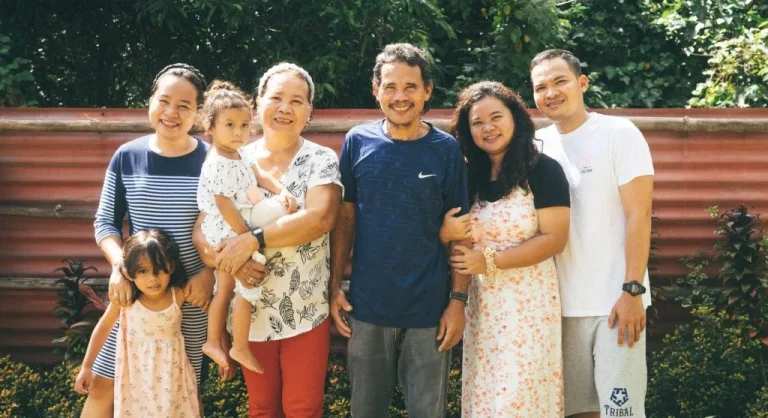
Children often move through the week carrying more emotional and mental effort than adults can easily see. School schedules, homework, activity changes, social pressures, and daily transitions can slowly build strain even in children who seem to handle ordinary routines well. Family relationship specialists generally note that children often feel more settled when a family tradition marks the end of the week because repeated rituals help children make sense of time, release built-up tension, and reconnect with a predictable feeling of belonging. In many homes, the value of an end-of-week tradition is not only in what the family does. It is in what the repeated moment quietly signals about rest, safety, and togetherness.
This matters because children often benefit from emotional landmarks that help divide life into understandable pieces. A familiar Friday meal, a Saturday morning outing, a weekly dessert, an evening walk, or another repeated end-of-week ritual can help children feel that the harder part of the week has closed and something calmer has begun. Development guidance often suggests that repeated family traditions support emotional security because they make time feel more organized and family connection feel more dependable. Over time, one simple weekly marker can become a strong part of how children regulate themselves across changing days.
Children Often Need a Clear Emotional Transition Out of the Week
Adults may think of the end of the week mainly in terms of schedules and responsibilities. Children often experience it more emotionally. They may not always say they feel mentally full, socially tired, or overstimulated, but the accumulated demands of the week often show up in subtle ways. Some children become clingier, more irritable, more energetic, or more emotionally uneven by the time the week is closing.
Family specialists generally note that children often benefit from rituals that signal change in a visible way. An end-of-week tradition can act like an emotional doorway. It tells the child, without a long explanation, that the rhythm is shifting now. In many homes, this repeated transition helps children feel less stuck inside the pace of the week.
Repeated Traditions Help Time Feel More Understandable
Children are still learning how time works. A week can feel long, blurry, or uneven, especially for younger children. Repeated traditions help by making time more concrete. When the same family activity returns at the end of the week, children begin linking that event with a familiar place in time. The ritual becomes more than an activity. It becomes a marker the child can anticipate and remember.
Child development specialists generally note that predictable time markers can support emotional organization. A child may not describe it in those words, but often feels calmer when the week has recognizable structure. In many families, the repeated end-of-week tradition becomes one of the clearest signals that life is moving in a pattern the child can trust.
End-of-Week Rituals Often Lower Emotional Carryover
Without a clear marker, children may carry the emotional tone of the week straight into the weekend or the next phase of family life. Stress from school, disappointment from a hard day, or tension from a busy schedule can continue in the background even after the week’s tasks are mostly finished. A repeated family tradition often helps lower this carryover because it offers a fresh emotional setting that returns reliably.
Family relationship experts generally note that children often settle more easily when positive family experiences are repeated at predictable times. The tradition can help shift attention away from pressure and toward connection. In many homes, this makes children seem calmer not because every problem disappeared, but because the household created a clear emotional reset point.
Children Often Feel More Secure When the Family Comes Back Together Predictably
One strong feature of repeated traditions is that they show children that togetherness returns in a dependable way. Many children move through the week following separate schedules, switching between school, activities, homework, errands, and different moods in the household. A weekly family tradition can quietly communicate that no matter how busy life gets, there is still a repeated moment when the family comes back together in a familiar way.
Development specialists generally note that children build security through repeated experiences of connection more than through occasional big gestures alone. A weekly tradition often matters because it keeps showing up. In many homes, this repeated return becomes one of the strongest ways children learn that family closeness is part of ordinary life, not just something reserved for special occasions.
Simple End-of-Week Traditions Often Work Better Than Elaborate Ones
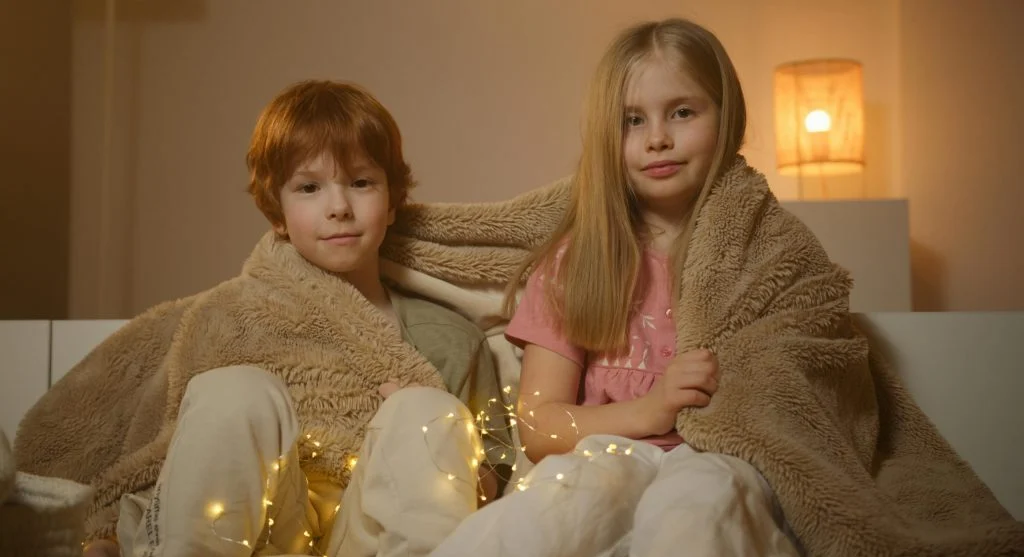
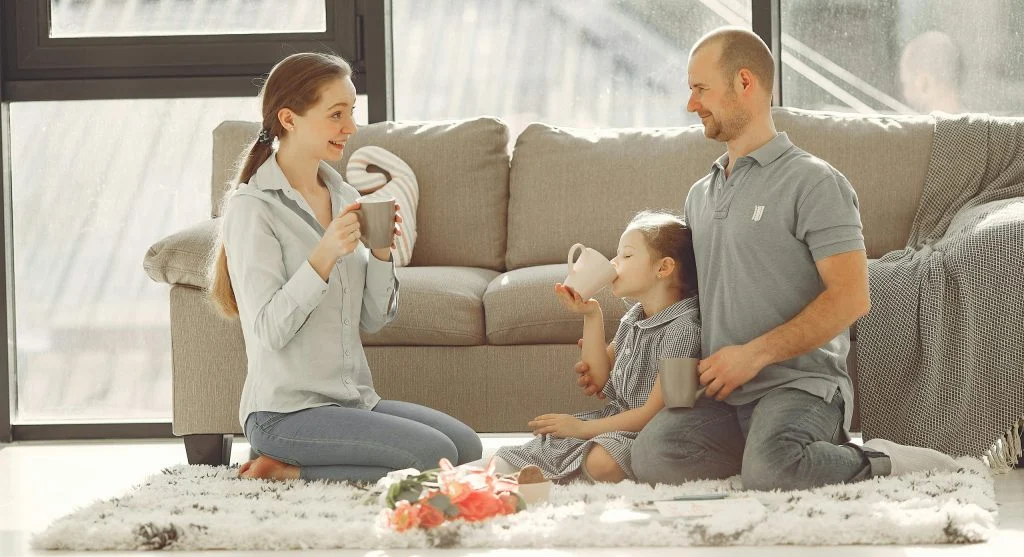
Families sometimes assume that a tradition must be creative, expensive, or impressive to have emotional value. Children often experience traditions differently. A calm repeated meal, one board game, a movie and blanket routine, a backyard fire pit, or a short evening walk may hold more emotional power than a larger event that is hard to repeat regularly. What usually matters most is not complexity. It is return.
Family routine experts generally note that children benefit most from traditions that fit real life well enough to keep happening. In many homes, simpler rituals become stronger precisely because they are easier to sustain. A tradition that lasts for months or years often does more for security than one that feels exciting but inconsistent.
Traditions Often Give Children a Role, Not Just an Experience
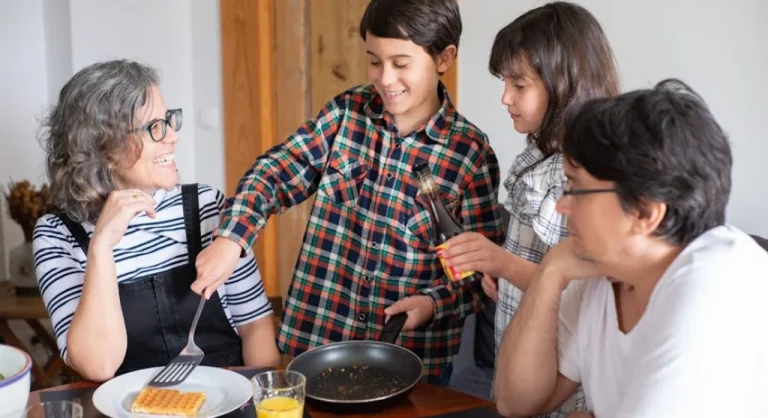
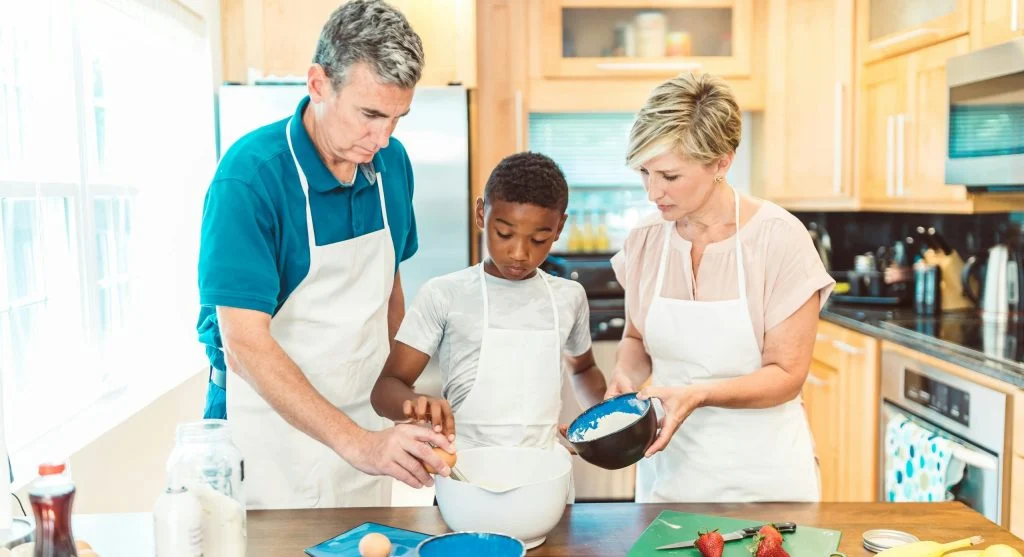
Many end-of-week rituals become meaningful because children know how they participate in them. A child may stir pancake batter, set napkins out, pick the family game, choose the movie blanket, or help prepare a snack tray. These small repeated roles can make the tradition feel like something the child belongs inside, not just something adults create around them.
Family psychology experts generally note that belonging deepens when children feel useful and expected in a repeated family pattern. In many homes, this sense of role matters as much as the activity itself. The child begins to understand that the end-of-week tradition includes them in a visible and reliable way.
Children Often Remember the Feeling of the Tradition More Than the Details
Adults may focus on the exact food, game, or activity used to mark the end of the week. Children often carry something else in memory: the feeling. They may remember that Friday evenings felt softer, that one meal meant everyone slowed down, or that Saturday mornings always started with laughter and familiar conversation. The emotional tone often leaves a stronger mark than the details of what was served or done.
Child development specialists generally note that repeated emotional experiences shape childhood memory deeply. This is one reason end-of-week traditions often continue to matter even when they look very ordinary from the outside. In many families, the child is remembering what family life felt like at that moment of return and release.
One Weekly Marker Can Quietly Support the Whole Household
End-of-week traditions often help adults too. A repeated ritual can reduce decision fatigue, simplify how the household shifts into a calmer mode, and make family connection easier to protect in the middle of busy life. Children usually benefit when adults feel less rushed and more emotionally available, so the steadiness of the ritual can influence the whole household atmosphere.
Children often feel more settled when a family tradition marks the end of the week because that repeated ritual helps turn time into something understandable and family connection into something dependable. In many homes, one simple weekly marker quietly becomes a source of comfort, release, and belonging that children learn to count on. Over time, that dependable closing ritual can help the whole week feel more complete and easier to carry.
Key Takeaway
Children often feel more settled when a family tradition marks the end of the week because repeated rituals help organize time, reduce emotional carryover, and create a dependable sense of togetherness. Simple weekly traditions often matter more than adults expect because they return often enough to feel safe and familiar. Families usually build stronger long-term emotional security through rituals that fit real life and keep showing up. Over time, one steady end-of-week tradition can become a powerful source of comfort and belonging for children.