Why Children Often Feel More Secure When One Family Activity Returns Every Week
Families often think children feel most connected during holidays, vacations, or major outings. Those moments can be meaningful, yet family relationship specialists generally note that children often feel more secure when one family activity returns every week. A simple game night, walk, baking routine, reading hour, or shared meal may look ordinary to adults, but repeated weekly activities often become emotional anchors in childhood. Their power usually comes from familiarity and return rather than excitement alone.
This matters because children often build security through what they can count on. A repeated weekly activity tells children that family connection has a dependable place in life, even when schedules, moods, and responsibilities change across the week. Development guidance often suggests that these smaller repeated experiences strengthen belonging because they show children that closeness is not reserved only for rare occasions. In many homes, one returning activity quietly becomes one of the strongest signs of stability and togetherness.
Weekly Activities Often Give Children a Reliable Emotional Landmark
Children usually feel steadier when they know that some part of family life returns in a familiar way. A weekly activity can act like an emotional landmark inside a busy household rhythm. Even if the week includes school stress, errands, sibling conflict, or changing plans, the child may still know that one simple family moment is likely to come back at the usual time.
Family specialists generally note that this kind of repetition supports security because children are not only enjoying the activity itself. They are also trusting the return of the activity. In many homes, that repeated return helps children feel that family life has some dependable shape, even when other parts of the week feel less predictable.
Children Often Trust Repetition More Than Intensity
Adults may focus on making family time memorable through bigger experiences, but children often connect more deeply with moments that repeat often enough to feel familiar. A large outing may be exciting, yet a smaller weekly activity may carry more emotional weight because the child knows it, understands it, and has already lived through it many times. Familiarity often makes the experience easier to trust.
Child development specialists generally note that repetition helps positive experiences settle more deeply. The child begins to recognize the activity not as a surprise, but as part of how the family relates to one another. Over time, this often makes the weekly activity feel more important than adults might expect from something so simple.
Simple Repeated Activities Often Feel Safer Than Elaborate Plans
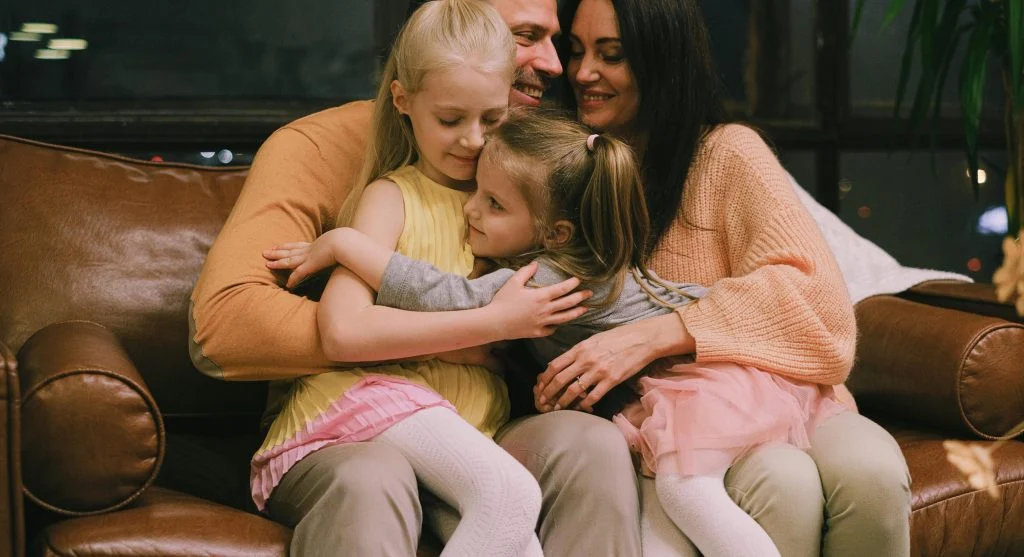
Weekly activities are often meaningful because they require less emotional adjustment from children. A simple repeated event usually includes familiar people, familiar steps, and a familiar tone. The child does not need to work as hard to understand what is happening or how to participate. This often creates more room for comfort and connection.
Family relationship experts generally note that children feel more secure in settings that are emotionally easy to enter. A repeated home-based activity or familiar weekend pattern may support more genuine closeness than an elaborate plan that comes with crowds, rushing, or uncertainty. In many families, the lower pressure of the weekly activity is part of what makes it so emotionally strong.
Weekly Activities Often Help Children Understand Family Identity
Children often learn what family life means through repeated shared experiences. A family that always takes a Sunday walk, cooks together on one evening, or plays the same game each week is quietly teaching the child something about belonging. The activity becomes part of the child’s sense of what this family does and how this family spends time together.
Family psychology experts generally describe repeated activities as part of family culture. Children may not explain it in those terms, but they often feel it clearly. The returning activity becomes a steady message that togetherness is part of normal life, not only something created for special days.
Children Often Relax More When They Know Their Role
Many repeated family activities help children feel secure because they come with familiar roles. A child may know who chooses the book, who mixes the batter, who sets up the game, or where everyone sits. These small repeated roles can help children feel included and competent. The child is not only attending the activity. The child belongs inside the structure of it.
Development specialists generally note that belonging often deepens when children know how they fit into a family moment. Repetition helps build that confidence because the role becomes easier to remember and more natural to perform. In many homes, this makes the weekly activity feel like a place where the child is known and expected.
One Returning Activity Can Balance a Changing Week
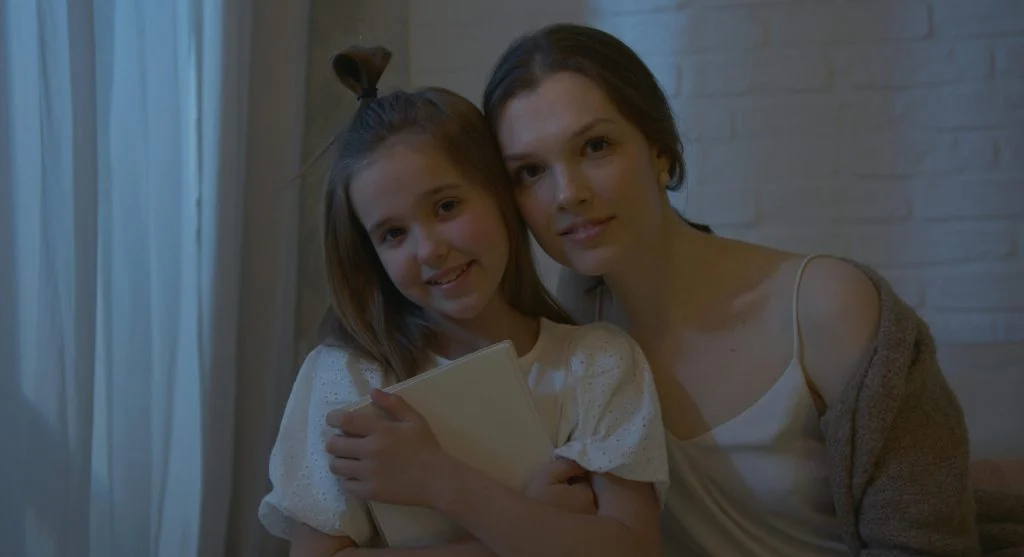
Weekly life often changes more than adults realize. School demands shift, family schedules move, and energy levels rise and fall. Children may not always talk about these changes directly, but they often feel the effect of them. One repeated activity can help balance that movement by giving the week a calmer point of return. The child knows that even if many details vary, one thing usually remains steady.
Family routine experts generally note that children do not need perfectly structured lives to benefit from routine. Often, one strong repeated anchor can make a meaningful difference. In many homes, this is why a single weekly activity becomes far more emotionally important than adults first expect.
Weekly Activities Often Support Conversation Without Pressure
Some of the best family conversations happen when everyone is doing something familiar together. A repeated activity can create just enough structure for people to be close without putting anyone under pressure to perform or explain. Children may talk more freely while walking, baking, drawing, or playing than they do during a formal talk about feelings or behavior.
Family communication specialists generally note that low-pressure repeated settings help children open up more naturally. The conversation does not need to be the whole point of the activity for the activity to support closeness. In many families, weekly traditions become some of the most dependable spaces for casual and meaningful connection at the same time.
Security Often Grows Through What Keeps Coming Back
Children often feel more secure when one family activity returns every week because repeated family time tells them that togetherness is dependable. The activity itself may be simple, but its emotional meaning grows with each return. What matters most is often not how impressive the activity looks from the outside, but how steadily it shows up in the child’s life.
In many homes, stronger security begins not with planning bigger events, but with protecting one small family moment well enough that it keeps returning. Over time, that repeated activity can become a lasting source of comfort, trust, and belonging that children carry with them long after the week itself has passed.
Key Takeaway
Children often feel more secure when one family activity returns every week because repeated shared experiences create familiarity, trust, and a dependable sense of belonging. Simple weekly activities often matter more than adults expect because they give children a reliable emotional landmark in changing routines. Families usually build some of their strongest long-term connections through traditions that are easy to repeat and steady enough to trust. Over time, one returning activity can become a powerful source of childhood security.