6 Skills Children Often Practice at Home Before Writing Becomes Easier
Most people picture a child starting to write when they begin to actually make shapes of letters with a pencil. But actually, writing tends to flow more easily when lots of other abilities are getting better. People who’ve studied young children say writing isn’t one thing, it’s lots of things built on top of each other and needs good control of their hand, being able to focus, how they hold their body, their language skills and believing in themselves. Kids are in fact creating many of the essential foundations for writing long before they get legible words on the page.
This is important because parents sometimes feel they should be getting their child to do ‘proper’ writing too young. A lot of the time, children do better by practicing the skills that lead to writing, and doing this in a normal, everyday way at home. These kinds of experiences will help them be ready for school, without making learning feel like something they are being made to do.
1. Hand Strength and Grip Control
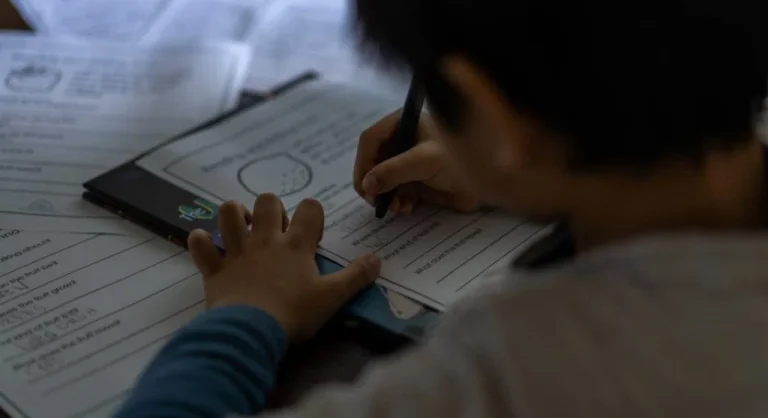
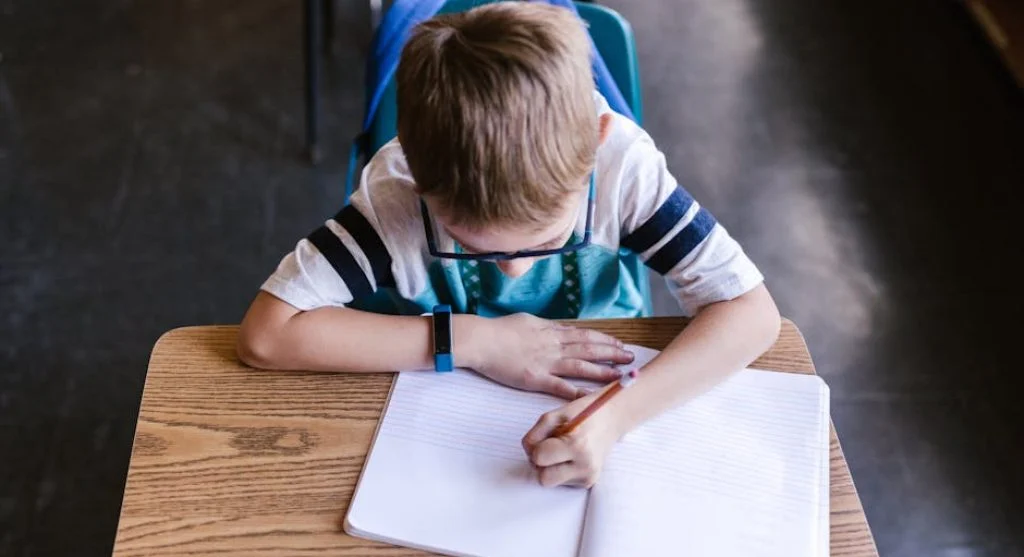
To be able to write, you need to be able to hold and manage a crayon, pencil or marker. And you get that ability little by little from normal things you do each day. For instance, drawing, coloring, building with blocks, playing with playdough, and picking up little items all help. Kids build up the strength in their hands a long time before their letters are nice and tidy.
Families usually do a lot to help with this without even thinking about it, by letting kids do things that require squeezing, pinching, stacking, and moving materials around. All of these experiences get the muscles and coordination ready for writing at a later point.
2. Shoulder and Arm Stability
It’s not just about the hand when children write; they require a steady shoulder and arm to be able to guide a pen or pencil properly. Things like painting at an easel, being on all fours to move around, climbing, and making big sweeping drawings with their whole arm build that wider physical basis for movement.
Because of this, big arm movements are often beneficial for young children. They can develop how they move and how much they can control in a way that feels much easier than trying for small, careful writing when they aren’t quite ready for it.
3. Visual Attention to Shapes and Lines
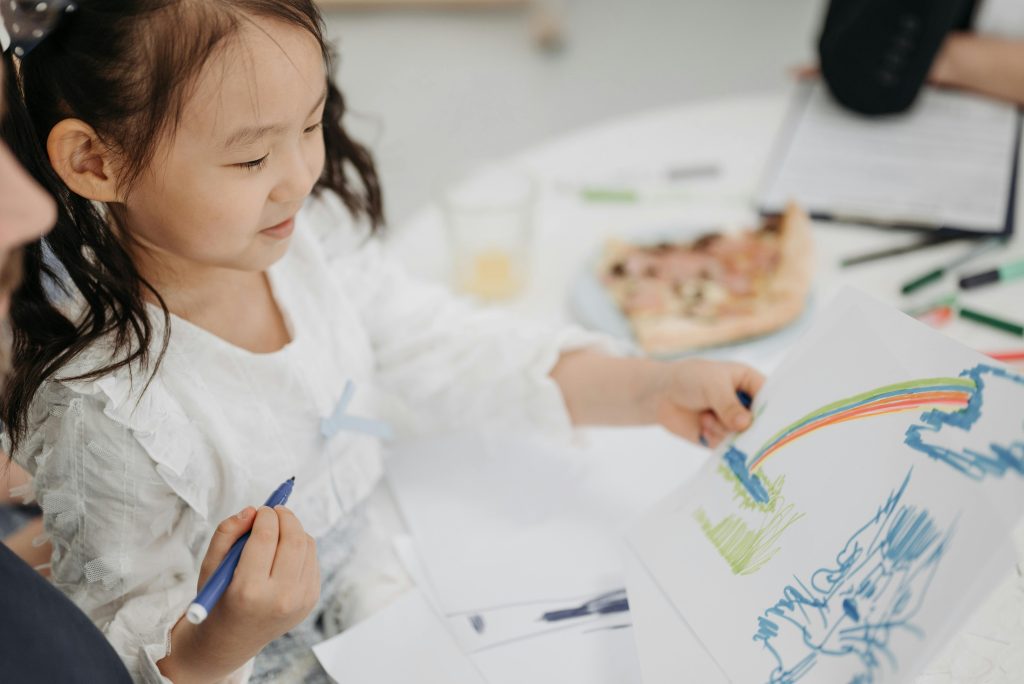
Kids usually start to see shapes, lines, curves and repeating designs before they actually write letters. Practicing drawing circles, imitating basic marks, and understanding how pictures are not the same are all useful steps for getting ready for the shapes in writing when they are first learning.
They get better at this with puzzles, by drawing, from looking at picture books, and with easy games which focus on sight. Doing these things teaches them to notice the small things that will become important as letters start to form.
Credit: Amina Filkins / Pexels
4. Listening and Following Short Directions
When kids are writing, they’re usually told little things – things like where on the page to begin, what kind of form to attempt, or the way to grip a crayon. They don’t have to be excellent listeners at this stage, but being able to hear and do what you ask in easy steps does make the first attempts at writing much less stressful.
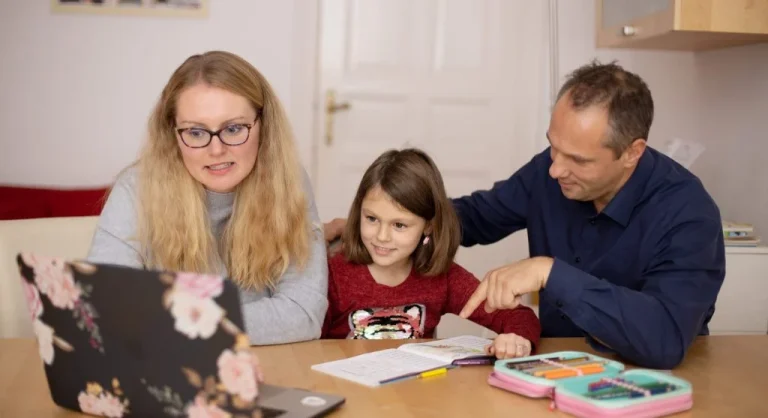
This ability is something families generally help with during everyday life, with reading together, or by having kids do a few things in a row at home. And, as children become more accustomed to hearing and obeying brief instructions, they generally find classroom learning much easier to cope with.
5. Confidence With Making Marks
Lots of kids don’t want to start writing because they worry about getting it ‘right’. And a child’s initial attempts at writing will be all over the place, not very neat and involve a lot of trying things out, so believing in themselves is really important. Adults will likely find that children learn better when they see scribbles and early writing as a normal part of the learning process, rather than expecting something perfect right away.
Getting used to making marks on paper comes from being able to draw however you like, go over shapes with your hand or a pencil, or just play with crayons and markers. In fact, being emotionally comfortable with making marks is often as important for writing as being able to hold the crayon properly.
6. Language and Story Thinking
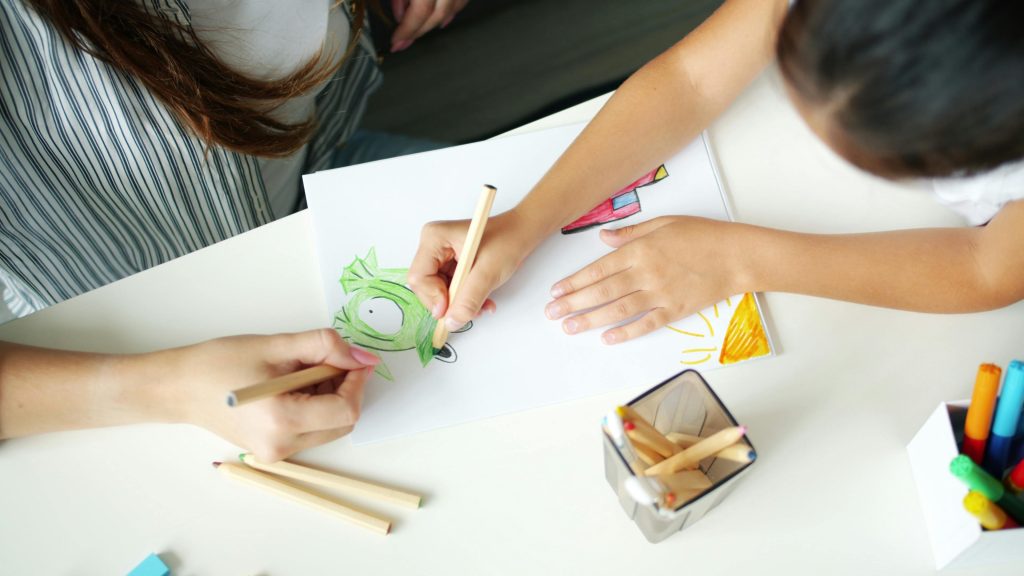
Pretty soon, writing shifts from simply making shapes of letters to getting thoughts out. Kids begin to get ready for this part of writing by telling stories, chatting, using their imaginations in play, and saying what they notice or how they are feeling. In fact, they’re figuring out how thoughts link and how stories go together, even prior to actually writing words.
Because of this, reading to children and having them discuss things actually help them get ready to write. Listening to stories and speaking about what happens to them provides the framework in their minds for later being able to write things down.
Credit: Gustavo Fring /Pexels
Why Writing Readiness Is Broader Than Letters Alone
Kids seem to be prepared to write when adults realise how many abilities are actually involved in doing it. Things like the strength in their hands, being able to visually focus, controlling their bodies, listening carefully, having belief in themselves and being able to use language are all part of learning to write. And if you help these basic skills at home, actual formal writing is often a lot easier for them and doesn’t cause so much upset.
Most of the time families don’t have to push things. A lot of children are much better off with lots of times of doing things in a normal way to build the skills that lead to writing, before writing itself is the most important thing.
Key Takeaway
It’s much simpler for kids to actually write if they’ve done things beforehand to develop the physical ability, their powers of observation, language skills, and their self-belief. Things like early scribbles, exercises to make their hands stronger, hearing stories, making up their own stories, and just making marks on paper all get children ready for writing before they’re concentrating on forming letters. Strengthening these basic abilities in everyday life at home is usually the best way families can help a child be ready to write. And, in the early stages of learning, writing comes from lots of little skills all developing at the same time.