

Why Children Often Follow Evening Routines Better When the Order Stays the Same
Evening routines often bring more pressure than families expect. By the end of the day, children may be tired, emotionally stretched, and less willing to move easily from one task to the next. A simple sequence like dinner, cleanup, bath, pajamas, reading, and bed can quickly become difficult when one part changes or the order feels unclear. Child development specialists generally note that children often follow evening routines better when the order stays the same because a repeated sequence reduces confusion and helps them anticipate what comes next. In many homes, smoother evenings depend just as much on the order of the routine as on the tasks themselves.
This matters because children often depend on predictable patterns to manage transitions, especially when their energy is low. Adults can usually adjust to shifting plans more easily at the end of the day, but children are often using their last emotional resources just to stay organized. Development guidance often suggests that a familiar evening order helps children move through daily demands with less resistance because the routine begins to feel known and trustworthy. Over time, this can reduce conflict and make bedtime transitions calmer for everyone.
Children Often Feel Less Uncertain When the Sequence Repeats
Evening routines include several connected steps, and each step asks the child to stop one activity and begin another. When the order changes often, children may spend more energy trying to understand what is happening than actually taking part. A child who expects bath after dinner but suddenly hears that reading comes first may feel confused or resistant, even though both activities are familiar.
Child development specialists generally note that a repeated sequence helps because it removes guesswork. When the same order returns night after night, children slowly stop treating each step as a new decision. Instead, they begin to depend on the pattern itself. This often makes cooperation easier because less mental effort is needed to understand the flow of the evening.
Predictable Order Supports Smoother Transitions
One of the hardest parts of any routine is the transition between activities. Children often struggle not because they dislike every step, but because leaving one thing and moving into another requires attention shifting and emotional adjustment. A predictable order can make that shift easier. The child may not love stopping play for bath time, but if that change always happens in the same way, the transition can begin to feel more expected and less sudden.
Family routine experts often explain that children respond better when transitions are part of a recognizable sequence. The child may still need reminders, but those reminders are easier to understand when they connect to a familiar order. In many homes, this makes evenings feel less like a series of interruptions and more like a known path through the end of the day.

Credit: Pavel Danilyuk / Pexels
Children Often Use Less Energy Arguing When They Know What Comes Next
Many bedtime struggles grow because the child is not only resisting the current step. The child is also reacting to uncertainty about what comes afterward. If the order changes often, the child may keep testing, delaying, or asking the same questions because the routine does not feel settled. A stable order can reduce that kind of negotiation because the child is no longer trying to figure out the plan in real time.
Parenting specialists generally note that clear order often lowers friction by making the evening feel more visible. Children are less likely to argue every step when they can already picture the rest of the sequence. In many homes, this does not remove all resistance, but it often makes that resistance smaller and easier to manage.
Repeated Order Helps the Body Prepare for Rest
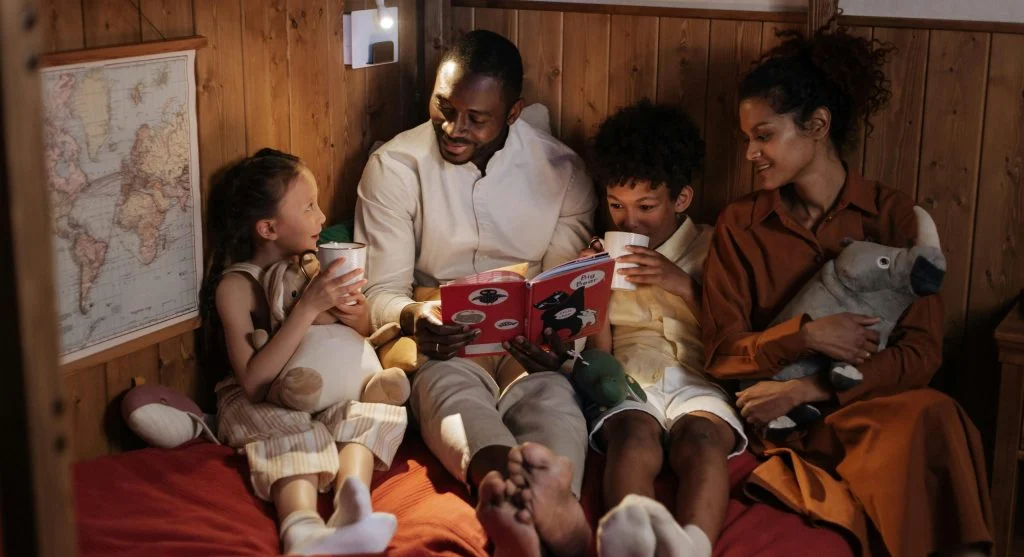
Evening routines do more than organize tasks. They also help children shift physically and emotionally toward sleep. A repeated order can support this process because the body starts connecting certain steps with winding down. Bath, pajamas, reading, dimmer lights, or other calm activities may gradually become cues that the day is slowing and sleep is getting closer.
Development experts often note that children settle more easily when bedtime cues arrive in a familiar pattern. A repeated order helps those cues work together. When the sequence changes too often, the body may have a harder time understanding what the evening means. This can make settling down feel slower and more difficult than adults expect.
Evening Order Often Helps Children Recover From Late-Day Fatigue
By evening, children often have less patience, less flexibility, and less emotional room for change. A familiar sequence can help because it asks less of those already strained resources. The child does not have to solve the routine from scratch or make sense of shifting expectations. The known order carries some of that work.
Child behavior specialists generally explain that fatigue makes predictability more important, not less. Children often seem less cooperative at night because they are running low on the internal resources needed to handle uncertainty. In this state, stable routine order can be one of the strongest supports for helping the child move through the evening successfully.
Credit: Ron Lach / Pexels
Consistency in Order Often Helps Adults Stay Calmer Too
Predictable evening order can also lower stress for adults. When the routine usually follows the same path, parents often spend less energy deciding what comes next or renegotiating each step. This can make the adult tone calmer and more matter-of-fact, which often improves the child’s response as well. Children are usually sensitive to whether the evening feels organized or emotionally rushed.
Family communication experts often note that calmer adult delivery supports stronger follow-through. A repeated order helps adults guide the evening with less last-minute improvisation, and that steadier tone often lowers children’s defensiveness. In many families, the routine works better not only because children know the order, but also because adults feel less strained while leading it.
The Order Does Not Have to Be Perfect to Be Helpful
Some evenings will always be different. Special events, travel, illness, visitors, or scheduling issues can shift the usual pattern. Children do not need a perfectly rigid evening for routines to help. What usually matters most is that the general order stays recognizable often enough to build familiarity. A mostly repeated pattern tends to support children far better than a completely different sequence every night.
Parenting specialists generally note that helpful consistency is about recognizability, not perfection. Children usually do well when the structure is clear enough to trust, even if small details shift a little. In many homes, that balance allows the family to stay flexible without making evenings feel unpredictable.
Repeated Order Often Turns Routine Into Habit
Children often follow evening routines better when the order stays the same because repeated sequence gradually becomes habit. The child begins anticipating steps, moving more independently, and relying on the pattern itself. This does not happen instantly. It develops over many evenings where the order remains familiar enough for the child to learn it deeply.
Over time, the routine may begin to feel less like a string of adult instructions and more like part of how the day naturally ends. In many homes, this is when evenings start becoming calmer. The child is no longer only responding to reminders. The child is also responding to a sequence that now feels known and easier to follow.