What Emotional Milestones Often Look Like Between Ages 2 and 5
People often talk about emotional development in the first few years of life in a general way, yet families typically want to know precisely what that means in their daily lives. As kids move from two to five years old they are figuring out what their feelings are called, how to deal with being bothered or upset, getting over being let down, and starting to get along with others. Importantly, this progress isn’t consistent, and those who study child development say it’s patchy, changes depending on the child, and is very connected to their language abilities, the patterns of their day, and their relationships with people.
The Centers for Disease Control and Prevention say developmental milestones cover how children play, learn, talk, behave, and are physically active. And the American Academy of Pediatrics points out that social and emotional growth is at the center of a child being healthy and developing, it isn’t something separate from learning. So for mums, dads, and carers, emotional milestones aren’t just about a child being ‘good’; they’re about how children are starting to control more complicated emotions, with support from adults they trust.
Why Emotional Milestones Matter in the Preschool Years
How children’s feelings develop determines how they deal with things that happen all the time, like waiting their turn, sharing with others, coping with changes in plans or routines, and doing what they are told. If a toddler or preschool child gets upset quickly, it doesn’t mean they are doing badly for their age. Usually, big emotional responses show a time when feelings are very strong, yet the ability to control them is still coming along.
How well children develop emotionally is very much tied to their language skills and social life. As they learn more words and have more chances to be with parents, brothers and sisters, and friends, they start to go from just feeling something to being able to talk about it. This change happens slowly. Little kids frequently require a grown-up to say what they’re feeling, figure out what caused it, and then try to respond in a more peaceful way.
What Emotional Growth Often Looks Like at Age 2
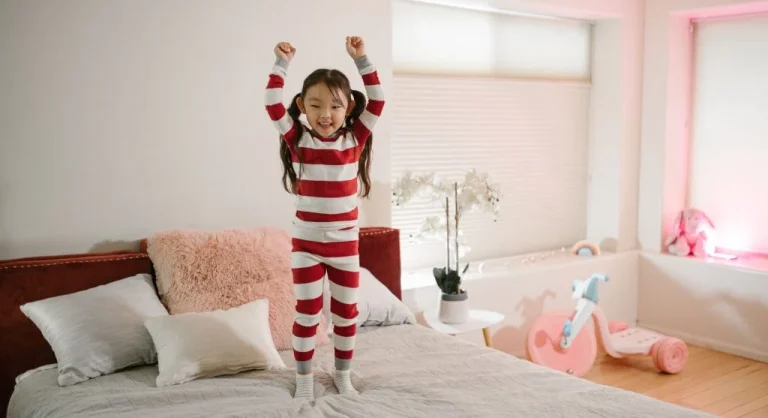
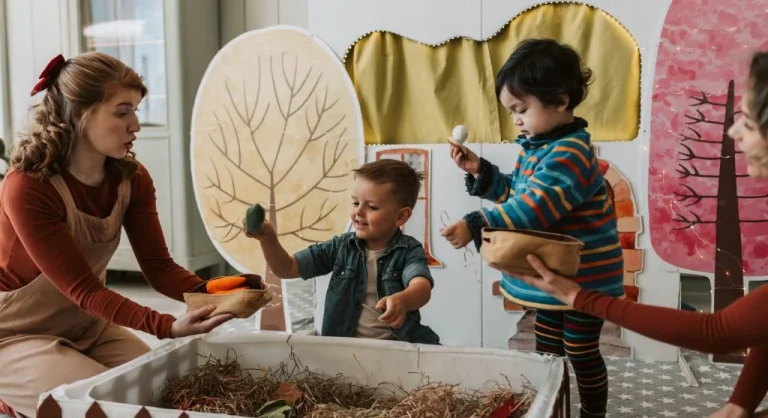
When they’re two, children’s feelings are generally right on the surface and easy to see. They get upset fast, really dislike being told ‘no’, and have a hard time with things like sharing or taking turns. This is perfectly typical for this age, as toddlers are just learning that other people have their own feelings and ways of looking at things.
The Centers for Disease Control and the American Academy of Pediatrics’ information about how two-year-olds grow says this time is full of fast developments in being independent, talking, and understanding how to be with others. A two-year-old will show they love you, copy what adults do, and like playing near other kids for a little bit, but will probably cry, get angry or say no when their usual patterns are broken.

Credit: RDNE Stock project / Pexels
How Emotional Skills Often Change at Ages 3 and 4
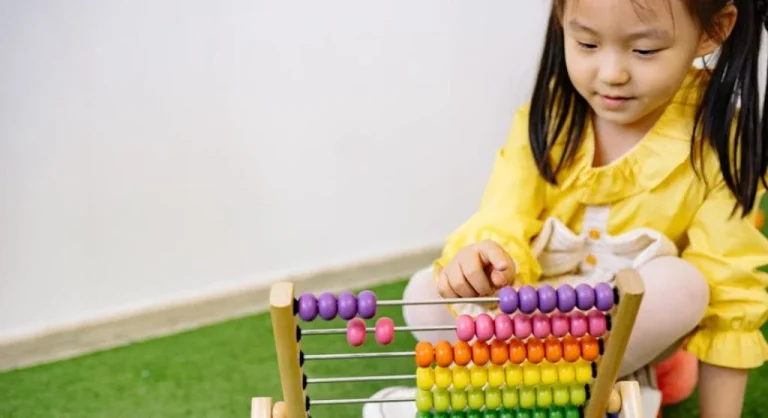
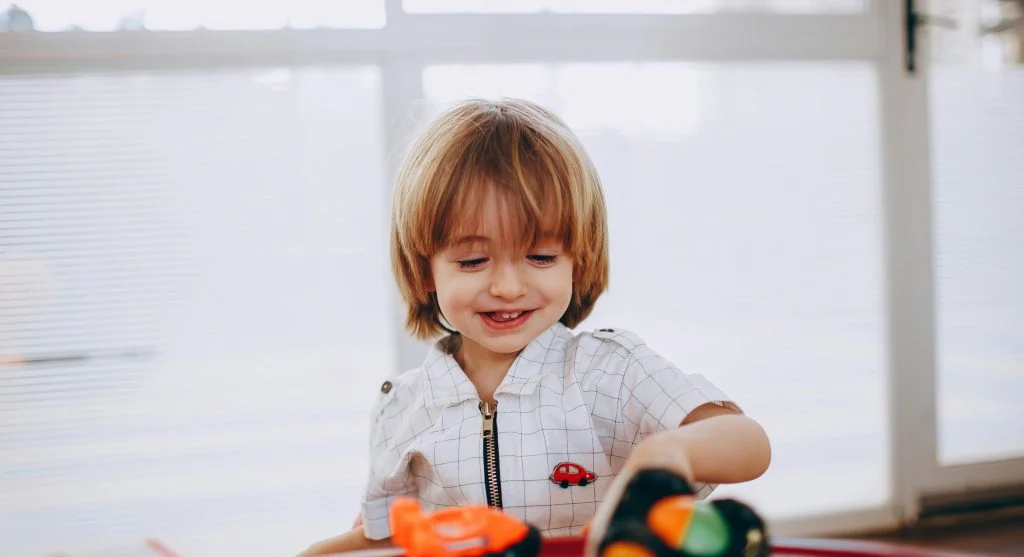
When kids are three or four, they generally get much better at putting their thoughts into words and understand what’s considered appropriate when they’re with others. They’ll use words to get what they want, they’ll ask how others are feeling, and joining in with what everyone does gets easier. However, tantrums don’t just stop. Instead, they’re gradually building up skills that can actually help them instead of having those big emotional outbursts.
Professionals who work with children will typically look for things like being able to do easy things in a set order, pretending, being okay for a little while when someone leaves, and bouncing back from small setbacks with a little help. Preschoolers are still figuring out how to deal with being jealous, with being annoyed, with being embarrassed and with being overly enthusiastic. And they’re likely to need to do things over and over with a grown up to help, specifically when something is new or when they are having a tough time.
According to HealthyChildren.org, being careful, sticking close to someone or overreacting isn’t necessarily a sign of a big problem. What’s going on around the child is important. Things like being tired, being hungry, being sick, a break in the usual plan and difficulties for the family can all affect how a child acts.
What Emotional Development Often Looks Like by Age 5
When children are five, they’re generally quite capable of being part of what a group does, can say in fairly basic words how they are feeling, and have a bit more control of themselves when they are somewhere they’ve been before. The CDC’s advice for how kids this age should be doing shows they’re becoming more independent, are better at obeying rules, sharing, and doing things in organized places like preschool or kindergarten.
However, how they deal with emotions isn’t quite finished developing. A five year old might be incredibly peaceful at times, but then get too much to manage at others. Professionals don’t assume they’ll be steady and sensible all the time. Instead, they want to see if the child is improving at showing their feelings, managing changes in plans, and asking for support or assistance in ways that are more helpful.
When Families May Want to Ask More Questions
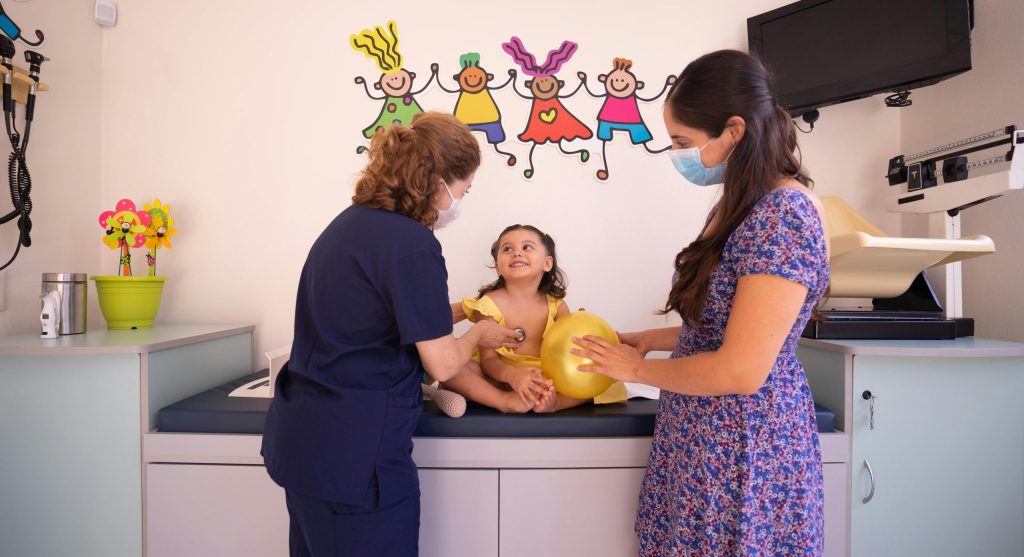
Kids all grow at their own pace, so the information about milestones isn’t intended to make you worry every time your child is a little different. However, specialists say you should talk to someone if your child has a really hard time getting along with others, barely communicates, is overwhelmingly upset when you leave or doesn’t appear to be improving over the months. The CDC’s milestone information specifically says to get help promptly if you are worried.
Even if your child is developing perfectly normally, having this conversation can be good. It gives you a clearer idea of what areas to encourage and what to look for. Your doctor can also discuss if a more thorough check of development or some extra assistance would be a good idea.
Credit: Los Muertos Crew / Pexels
How Families Can Support Emotional Growth at Home
Kids develop how to handle their emotions by going through the same things, over and over. What experts suggest is having a regular schedule, using easy words to describe feelings, grown-ups remaining calm, and giving children your full attention when they need it. Saying things like “This is frustrating” or “You’re sad the game stopped” helps children start to link what they feel to the words for those feelings.
Play is important too. The American Academy of Pediatrics has pointed out how much play helps kids with planning, getting things in order, getting along with others, and controlling their feelings. When kids and adults play together, read, or just have peaceful time alone, children get to practice feeling safe with their emotions and telling people about them.
Think of emotional development from two to five as a gradual becoming aware of feelings, rather than a way to judge if they’re acting perfectly. Kids of this age are figuring out how to have feelings, show what they’re feeling, and bounce back from them, and they’ll generally do this best if adults are there for them in a dependable way.
Key Takeaway
Being able to simply not get upset is only a small part of how young children develop emotionally. From two to five years old, kids figure out what they’re feeling, they express when they’re annoyed, they bounce back from little disappointments, and they do things with growing assurance. Professionals in child development usually see this happen slowly and with peaks and valleys. If families have a normal schedule, give names to feelings, and are there for their children when they need it, their emotional development will be on firmer ground.