How Seasonal Traditions Can Help Children Feel More Connected to Family Life
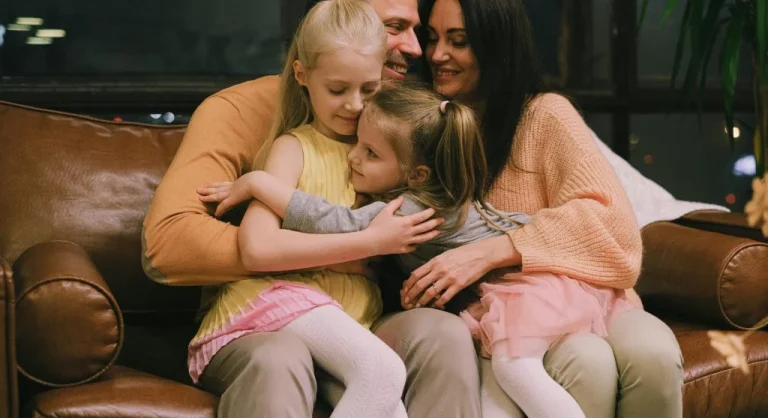
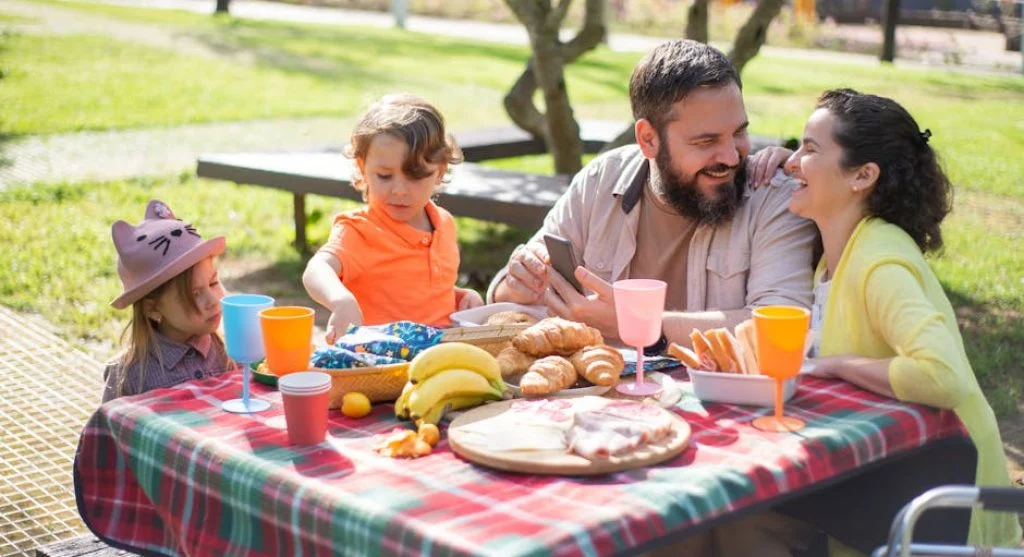
Kids can really get something from family traditions that happen with the seasons, and they become important to how families are. These traditions are a way for children to really see how time passes, how things change, and where they fit into the family. A picnic in the spring, a stroll in the summer as it gets dark, gathering autumn leaves, or a specific thing you bake in the winter – these don’t seem like much, but when a family does them over and over, they start to mean a lot. Experts on family relationships say habits and things families do repeatedly are how they make a feeling of being together, and it’s easier to keep going with the tradition if it’s pretty easy to do.
Linking family life to the turning of the year is good for children. Seasonal traditions give a feeling of things coming around again. They demonstrate to children that even though what you are doing each day, school, and general stress can all be different, certain family times will be similar each year. This is what creates a sense of things continuing, and it’s a big reason why these small traditions are often so much more significant than we as adults realize.
Seasonal Traditions Help Children Notice the Passage of Time
Little kids don’t typically learn about time just by looking at a calendar. More often, they grasp it by doing things over and over. If a family has a particular activity they do each spring, or each fall, kids start to connect that event with when that time of year is. This makes time feel more real, and easier to remember.
Because of these repeated events, childhood gains a flow. Kids develop an understanding of the year as having a form. And that is a major reason why seasonal traditions, even if they aren’t complicated, are so strongly remembered.
Repeated Rituals Create a Stronger Sense of Belonging
Things families do at certain times of the year also give kids a sense of what being a family is about. A thing you do together over and over, whether going somewhere, something you do at home, or a particular dish you have, isn’t just to pass the time. It shows children this is how your family is, this is what you all do. And doing things that often builds a feeling of who you are as a family and how you’re all linked.
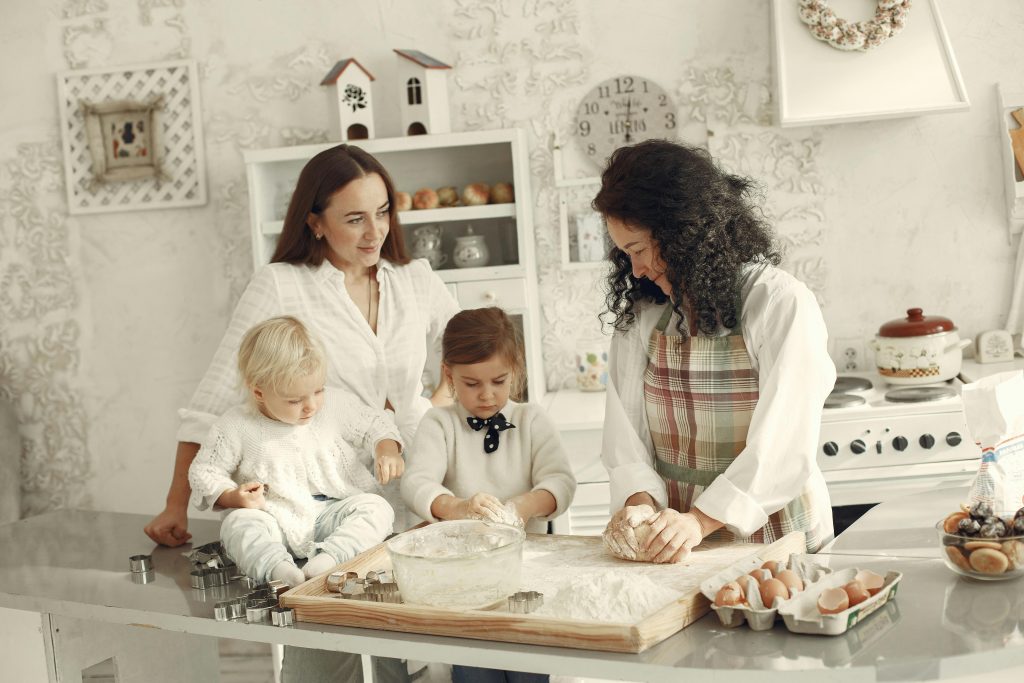
You don’t need huge celebrations for this to happen. In fact, for many families, the little traditions are even better at doing this because they happen often enough to be something a child can count on. A child might remember decorating biscuits every winter, or the first walk when the weather warms up in spring, more vividly than a big holiday trip that only happens once in a while.
Credit: Gustavo Fring / Pexels
Seasonal Activities Often Feel Easier to Sustain
Seasonal traditions are so successful, in part, because you don’t have to plan them every single week. They’re at specific times of the year, so they build excitement but don’t add a lot to how packed your family’s schedule already is. Going to the pumpkin patch over and over, having your first ice cream of summer, or a movie during the winter all feel special, and that’s largely due to their connection to the time of year.
This makes traditions easier for families with a lot going on. It’s likely they won’t have time for complicated things to do on repeat every week, but they can generally keep up a couple of easy seasonal customs, and those will come back in a way they know.
Children Often Remember the Feeling More Than the Details
Grown-ups frequently stress over having traditions be special or outstanding, yet kids are much more likely to hold onto the way things were rather than how intricate they were. What they’ll recall is the mood of doing something, the people involved, and if it was all comfortable, secure, and fun. So a simple, inexpensive thing done over and over can become really important to them emotionally.
This is particularly true of traditions tied to the seasons. Because of the time of year, there’s already a sense of something new. Changes in the weather, the amount of daylight, when school is out, and the timing of holidays all make the tradition feel different – a feeling a family doesn’t have to create out of thin air.
Traditions Can Support Connection During Busy Years
It’s often difficult to be together as a family as kids get older and everyone’s doing more. But things you do every year at a certain time of year can really help they give you a time to get together which everyone looks forward to and comes back to. In fact, even a single thing you do over and over can show you that family life isn’t just about getting things done, it has to have times for simply being with each other.
And this is important, because staying close is generally easier with a ritual than just wanting to. A family might say they’ll hang out more, but traditions actually show that happening, and they are done again and again.
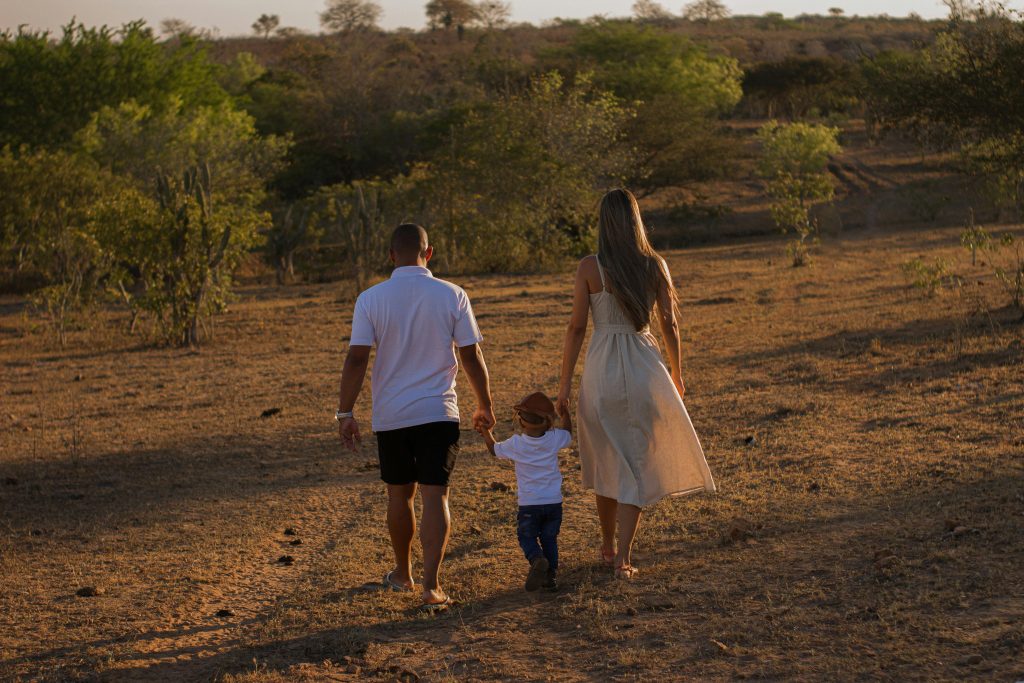
Credit: vkmoraesPH ︎ / Pexels
Simple Traditions Usually Last the Longest
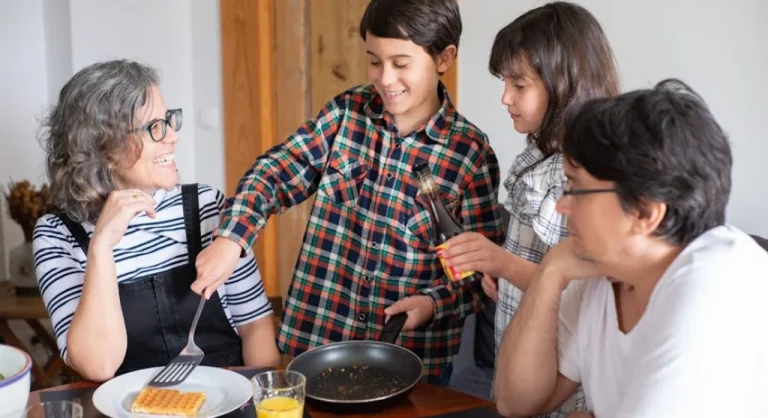
Families usually enjoy traditions at certain times of the year when those traditions genuinely work with how they live. It’s simpler to maintain a quick walk, a breakfast that’s a bit of a treat, an annual photograph, or doing a craft you do every year, than to bother with something costing a lot or being very complicated. And actually, the easiness of them is what helps them last, because they can go on being done even when money is tight or everyone’s availability shifts.
These traditions with the seasons are good for kids’ sense of being a part of the family. They do this by being something that happens again and again, having a special meaning, and feeling like things are getting back to normal. It’s not how big they are that makes them important, it’s that they happen predictably and each time, they reunite the family.
Key Takeaway
Kids feel more like they are part of a group because of things we do at certain times of the year, and these give family life a pattern and a special significance throughout the year. These traditions don’t have to be fancy to be important. In fact, the ones families cherish most are often the easiest to do again and again, and are the ones they feel in their hearts. As the years go by, doing these things with the seasons makes people feel more of a sense of being together, and they help children think of family as being stable and something they all have in common.