6 After School Habits That Can Make Evenings Feel More Manageable
After school is often the most chaotic time for families. Kids get home from school feeling exhausted, needing food, overly excited, or full of energy, and at the same time parents are dealing with their jobs, dinner, getting everyone to their other things, and homework. If you don’t have some sort of plan, these hours can easily go from a time of changing from school to home to a really stressful time for everyone in the house. Experts in family schedules say that calmer evenings usually start with what happens in that first hour after the school day finishes.
The best things to do after school are easy to do regularly, and able to bend a little to how your family actually lives. Children will generally do better with habits that help them change from what they have to do at school to what’s expected of them at home. This doesn’t mean you need a very strict timetable, just enough of a pattern so you aren’t having to plan the whole evening all over again each day.
1. A Predictable Arrival Routine
It’s really good to have a set way for kids to do things as soon as they walk in the door. Perhaps they’ll put their shoes away, hang up their backpacks, wash their hands, and go to a special place for at home time. Knowing what they’re doing in what order makes changing from being at school to being at home a lot calmer.
Having these routines for coming in from somewhere actually lowers how tired everyone is from making choices, both you and the kids. You won’t be constantly telling them to do simple things because everyone is following a pattern they know well. This means the rest of the evening can start more smoothly, with less argument or hassle.
2. A Snack and Reset Window
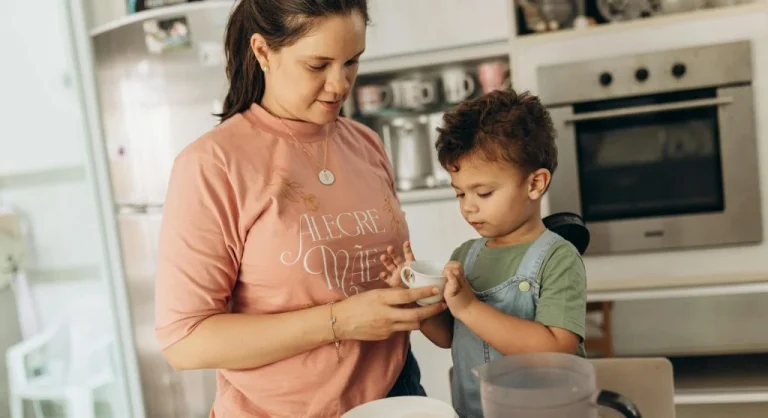
Lots of kids require a little time to have something to eat, calm down and get their heads out of school before they can deal with homework, helping around the house, or talking with the family. Having a regular snack time and a chance to unwind makes this happen more smoothly and lets them know home isn’t just more of the stress from school.
This routine is effective since it acknowledges how a child actually is after being at school. Being hungry, tired, and having too much going on all frequently make them grumpy. If families understand this pretty quickly, the whole evening is likely to get off to a much calmer start.
3. A Consistent Place for School Items
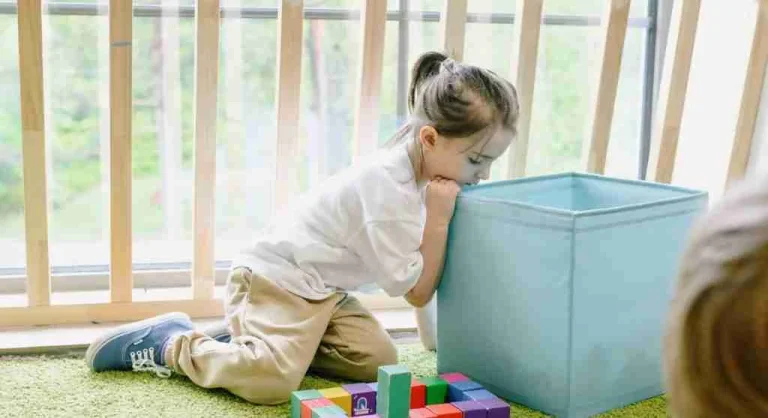
You get stressed out at night over and over again by losing homework, water bottles, or other papers. Things are much easier for a family if backpacks, lunchboxes, and school paperwork all go to the same spot. That way you aren’t rushing around looking for them, and kids start to understand where their school stuff is meant to be when they come in.
These organizational tricks might not seem like a big deal, but they do help with how things generally feel in the house. If a child gets into the habit of putting their backpack away or school things in a particular place every day, evenings will be a lot more relaxed.

Credit: Ketut Subiyanto / Pexels
4. A Clear Homework or Quiet Time Plan
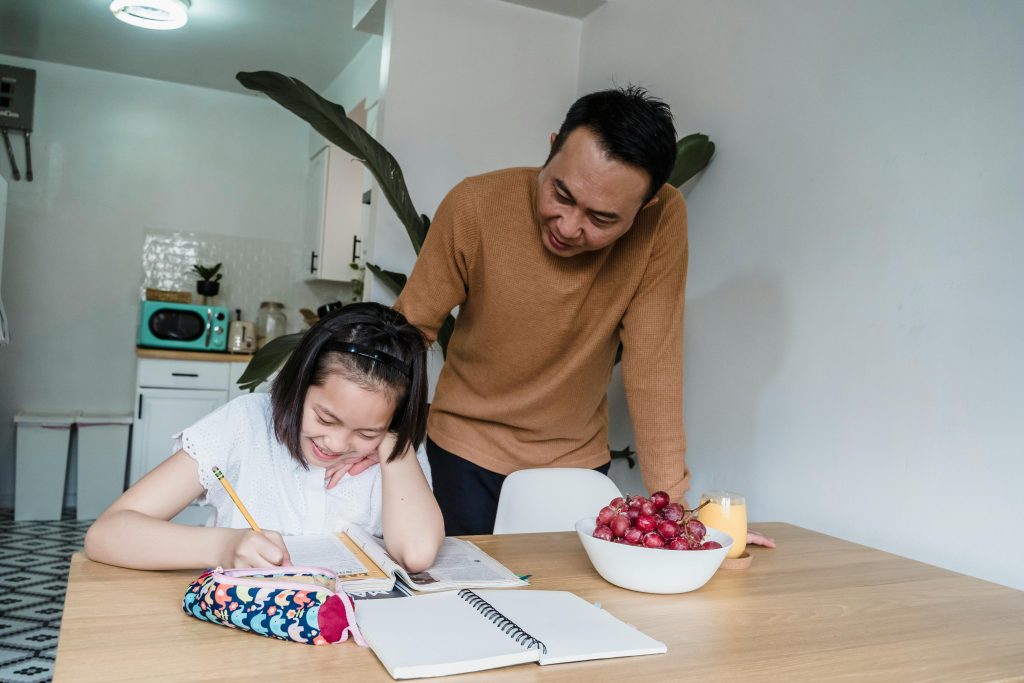
Evening times are frequently more difficult if everyone is unsure about when to tackle school work. Some kids really need to get their energy out by moving around before they can concentrate, others get it done best if they just finish their homework first. In most cases, a single solution that works for everybody isn’t the answer, but a plan the whole family does the same way over and over is.
Children generally know what is coming when homework or calm, quiet time happens around the same time each day. And this being predictable can lower arguments at the very end of the day, and stop school worries from filling the whole evening.
5. Some Kind of Movement Before Dinner
Kids frequently come home from school full of both physical and emotional energy. A quick walk, playing outside, a dance party, or running around inside are all things that can help them calm down before they spend a very still evening. That’s particularly true for kids who have a hard time settling at the table for dinner or with their homework as soon as they get in.
Being active after school also provides an outlet for children to let go of stress before a new round of expectations. Many families have found that just a little bit of activity noticeably improves a child’s mood, and makes them more willing to help out later on.
6. An Evening Preview
If you tell some kids what’s going to happen for the rest of the evening, they’ll manage better. Briefly letting them know about homework, dinner, a bath, what they’ll do for fun, and bedtime (what you expect when it is bedtime) can ease a lot of worrying. This is especially true for those who get upset or fight things when they’re suddenly changed to do something else.
You don’t need to say much for this to work; it’s just about providing a plan. Being able to imagine how the evening will unfold allows children to get through it more smoothly and have less arguing because of unexpected changes.
Credit: Annushka Ahuja / Pexels
Why Repeated Habits Matter More Than Perfect Evenings
After school, things don’t have to go exactly as planned for a routine to help. Families will still have busy times, feelings will come up, and plans will suddenly shift. But it’s generally the existence of some predictable things that the family does which lets the evening get back on track when things do happen to interrupt it.
Easy evenings are normally a result of doing things the same way over and over, not of being really strict. Less confusion during that after-school period frequently means a calmer rest of the evening.
Key Takeaway
When kids get into a routine after school, evenings are generally a lot easier to handle because you know what to expect and it helps them get from school mode to being at home. Things like a set thing to do when they get in, a snack, a place for all their school stuff, some activity to get energy out, a bit of time for calm activities, and quickly going over what’s happening later on all help with this change. Families do better with a small number of habits they do all the time, rather than a long, complicated timetable. A more relaxed evening in many houses starts with a much more peaceful first hour when the school day is over.