Why Listening Skills Matter So Much Before Children Start School
Lots of parents who are thinking about their child starting school naturally think about things like learning the alphabet, counting, and starting to read. These skills are important of course, but people who study how children grow and learn say a different ability is equally important for how a child does in class: listening. Before a child officially starts school, they slowly learn to hear what they’re told, do a few things in order, look at the adult who is talking, and react to information that isn’t necessarily super interesting or something that makes them feel a big emotion. These listening skills aren’t small things; they are how a child actually takes part in the school day.
Actually listening at a young age isn’t just being silent. A child with good listening skills is starting to stop, pay attention, think about what was said, and then do something with it. To do that, they’re using their growing language skills, their ability to control themselves, their memory, and how well they understand other people. Because of all the different abilities it needs, experts see listening as a skill that improves slowly with everyday interactions, doing something over and over, and with help from adults. It isn’t something a child can usually just do when asked.
Listening Helps Children Function in Group Settings
At school, kids get used to adults usually talking to everyone at once, not just to them individually. A teacher will tell the whole class what to do, describe an activity, or tell them to change from one thing to the next. For children who are still developing their ability to listen, these changes in what’s happening can be difficult as they are figuring out to block out things around them and concentrate on directions that apply to everybody.
It’s not that a child needs to be a perfect listener before they begin school. Instead, being used to brief, predictable sequences, hearing instructions more than once and having a go at speaking at the correct time in a conversation will help the classroom not be so overwhelming. Kids who have had a bit of practice listening during set times will likely have an easier time keeping up with what happens during the school day.
Listening Is Connected to Language Development
Kids have trouble doing what you ask if the words themselves are still a bit of a muddle or are just too much to take in at once. The better they understand words, how sentences are put together and the more they hear grown-ups describing what happens during normal days, the easier it is for them to listen. And as listening gets better, their language skills improve and then back again.
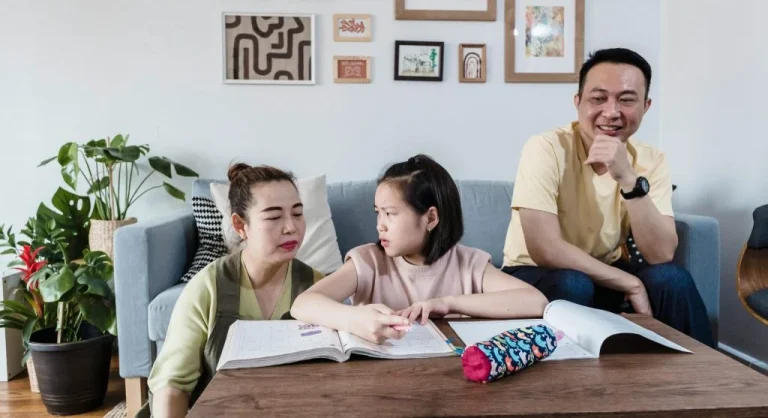
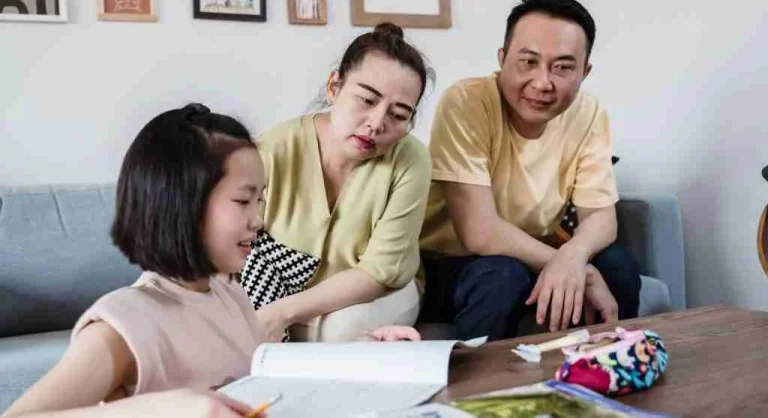
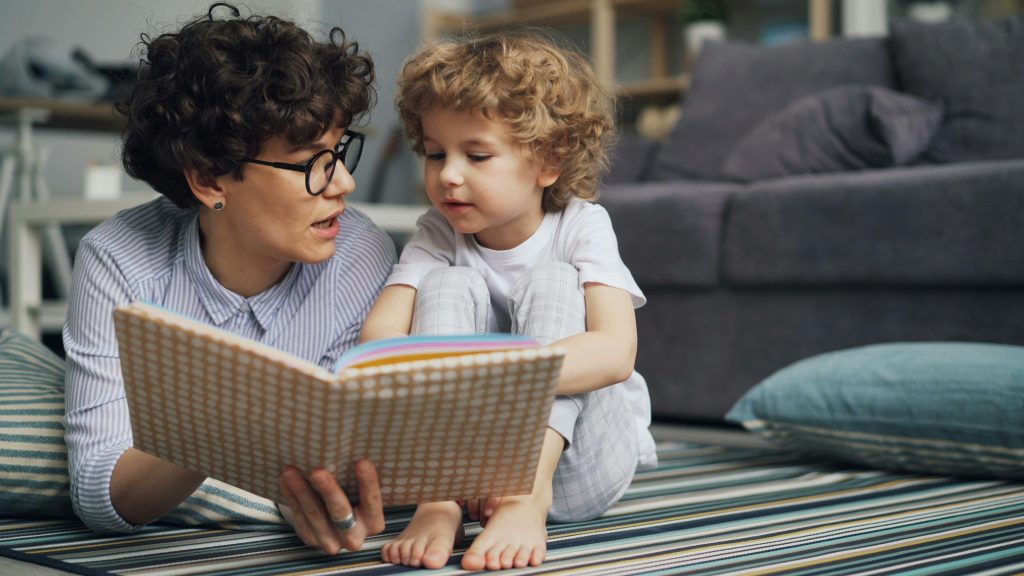
Families do a lot to help with this just by chatting about what’s going on. Explaining what you’re doing, reading together, singing, and even normal conversations give children lots of chances to hear language which is used in a way that is easy to understand, and they hear it many times. When they get used to how we say things, they’re usually much more able to do as they’re told and to react in a sensible way.
Credit: Vitaly Gariev / Pexels
Following Directions Requires Memory and Attention
Listening is really important for kids to start with at school, largely because it helps them do what’s asked of them. They will need to hear, then remember and do a little string of things like put their bag away, wash their hands, or get to the carpet for an activity. Each of these things doesn’t seem like a big deal, but they happen over and over during the school day.
What’s going on with attention and a child’s ability to ‘hold’ information in their head while doing something are very connected to these little routines. A child can’t just be told to do something; they have to keep the instruction in their mind for long enough to actually do it. And that’s a big part of being ready for school – it’s about much more than just starting to learn letters and numbers. In fact, loads of what children do in the classroom each day rely on how they’ve learned to listen and respond, and those skills develop before any formal lessons even start.
Listening Skills Often Grow Through Repetition at Home
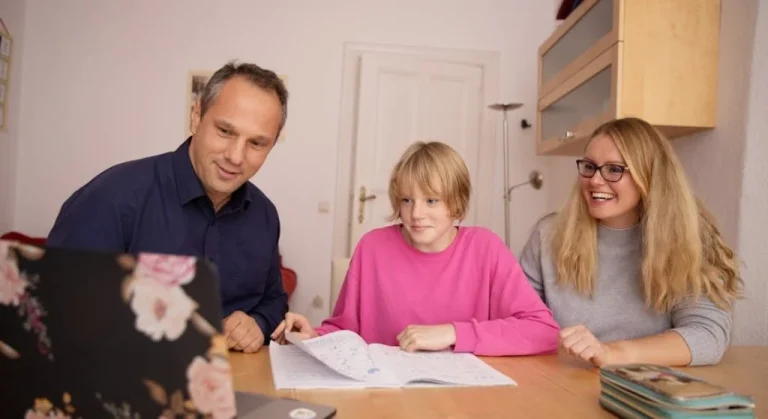
You don’t have to specifically teach kids to be good listeners for these abilities to get stronger. In fact, the things you do every day, over and over, are usually the most effective way for them to learn. When children are told things they’re used to hearing, like where to leave their shoes, to wash up before eating, or to tidy up with a little help, they start to pick up on how adults talk and what they want.
These times happening again and again also show kids how listening and doing go together. They begin to realize that when someone says something, it’s not just sound, but has a meaning and will tell them what comes next. This is particularly helpful for kids who get anxious when all directions are presented as if they’re brand new or extremely important.
Conversation and Reading Support Listening in Different Ways
When kids talk with people, they get to practice hearing and responding to each other. Reading to children supports their listening skills over a longer time, and it helps them understand how a story is put together, plus learn new words. They’re both good for children as they make them concentrate on spoken words in lots of different situations.
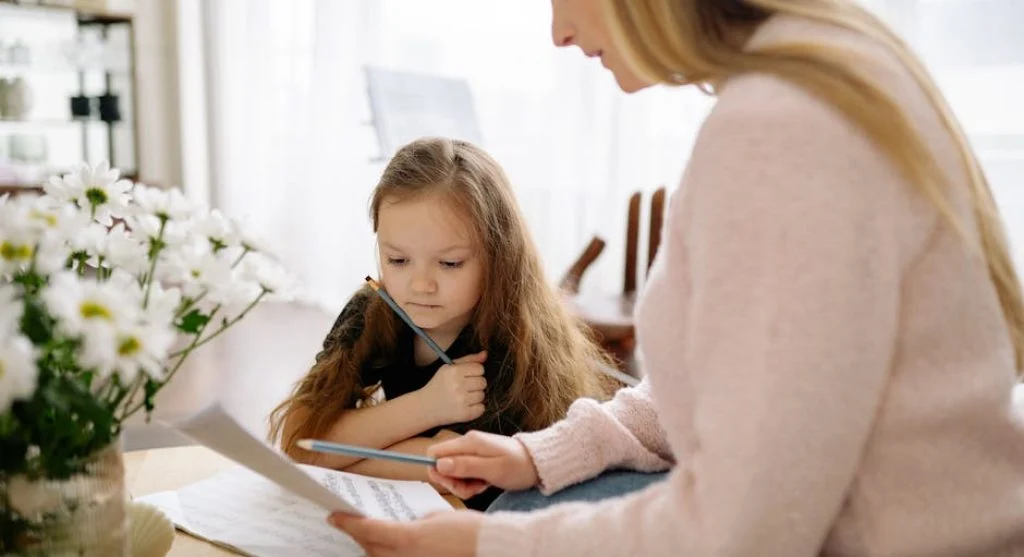
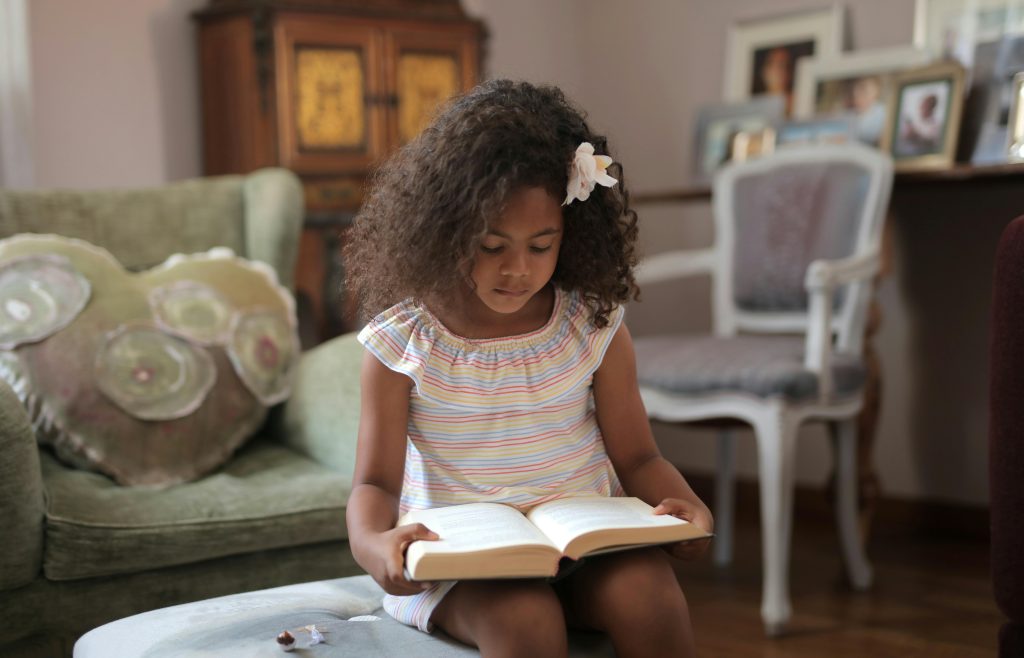
Shared reading is particularly good; because the language in books isn’t as fast as regular conversation, children have time to really absorb it. It’s while listening to this slower delivery that they start to notice how the speaker sounds, what order things happen in, and what the words mean, and they get used to listening for longer.
Credit: Andrea Piacquadio / Pexels
Listening Is Still a Developing Skill When School Begins
Kids aren’t born knowing how to listen properly when they start school. They’re all unique, coming in with their own temperaments, how long they can focus, their language skills, and how comfortable they are being with other children. Certain children are naturally reserved, yet they still don’t catch instructions, while others are lively and chatty but can listen well, though in small, important chunks. The important thing is if a child is slowly getting better at focusing, making sense of what’s said, and then doing or saying something in return.
Families who see listening as something you help a child develop are generally better prepared for school, rather than thinking of it as something to criticize. Children who get many opportunities to hear, think about, and reply to things during peaceful everyday activities generally have a more stable base when more is expected of them at school.
Key Takeaway
Before children even start school, being able to listen is important. It allows them to do what they’re told, be involved in what the class does as a team, and understand things when someone says them during the day. Good listening, language skills, remembering things and focusing are all connected and grow slowly, not all at once. Families can help their kids become better listeners by doing things the same way a lot, having talks, and reading together. And really, when a child is getting ready for school, listening is a low-key skill that underpins pretty much everything they’ll be doing.